
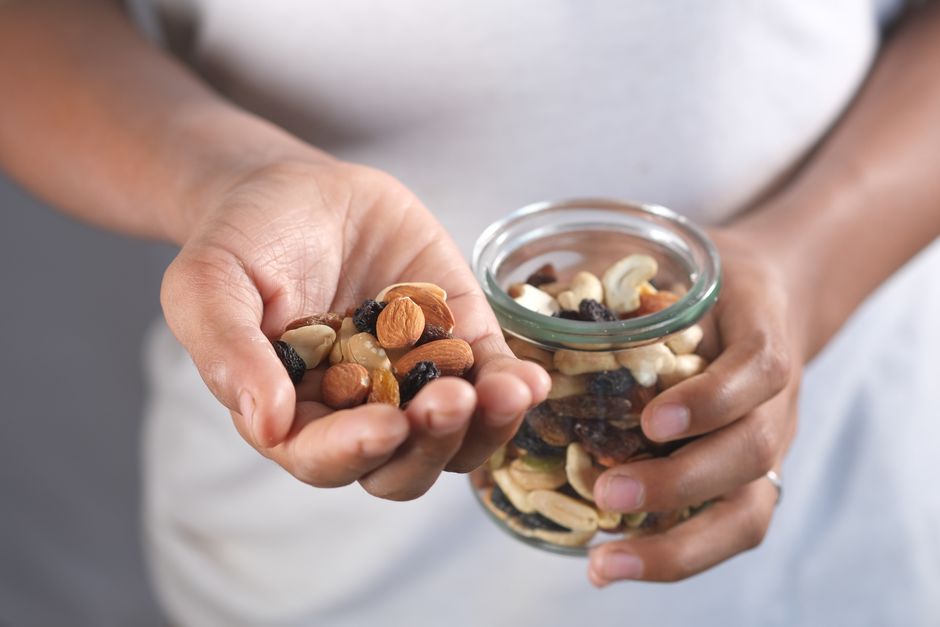
Yes, cashew nuts contain protein. A one-ounce serving of raw cashews — about 28 grams, or roughly 18 nuts — provides about 5 grams of protein, according to USDA nutritional data. That makes cashews a moderate protein source compared with other tree nuts, but not the highest. Almonds and pistachios deliver more protein per ounce, while macadamia nuts and pecans deliver less.
Whether that matters for you depends on what you expect cashews to do. They are a real source of plant protein, but they are not a protein supplement. Knowing where they fit — and where they do not — is the useful part.
How Much Protein Is in Cashew Nuts?
Cashews land in the middle of the tree nut pack on protein. The numbers below come from USDA nutritional data for a one-ounce (28-gram) portion.
| Nut (1 oz, raw) | Protein | Calories | Fat |
|---|---|---|---|
| Almonds | ~6 g | ~164 | ~14 g |
| Pistachios | ~6 g | ~159 | ~13 g |
| Cashews | ~5 g | ~157 | ~12 g |
| Walnuts | ~4 g | ~185 | ~18 g |
| Pecans | ~3 g | ~196 | ~20 g |
| Macadamia nuts | ~2 g | ~204 | ~22 g |
Five grams of protein per ounce is real but modest. For context, one large egg provides about 6 grams of protein. A three-ounce serving of cooked chicken breast provides roughly 26 grams. So a handful of cashews gives you a meaningful top-up, not a meal’s worth.
One detail worth knowing: the protein in cashews is not complete on its own in the way animal protein is. Like most plant foods, cashews are low in at least one essential amino acid. The body needs all nine essential amino acids, but it does not need them all in the same bite. Eating cashews alongside grains, legumes, or dairy covers the gap across the day.
What Kind of Protein Do Cashews Actually Provide?
Cashew protein is a mix of individual amino acids, and the balance matters more than the total number. Cashews contain all nine essential amino acids, but one — lysine — is present in relatively smaller amounts compared with animal proteins. Lysine is plentiful in beans, lentils, and dairy, so pairing cashews with those foods fills in the missing piece.
This is why the old idea of “protein combining” at every meal has largely been dropped. Nutrition guidance now generally treats amino acid balance as something the body handles over the course of a day, not a single sitting. If you eat a varied diet, the exact pairing on your plate is less important than people once believed.
Cashews also bring other nutrients along with the protein. A one-ounce serving provides a meaningful share of your daily copper and magnesium, plus iron, zinc, and vitamin K. Those come with the calories, so the protein is not the only thing you are getting — and not the only reason to eat them.
Are Cashews a Good Protein Source Compared With Other Foods?
Cashews are a decent protein source and a poor protein staple. The distinction matters because cashews are calorie-dense. Getting 25 grams of protein from cashews alone would mean eating roughly five ounces — about 785 calories and 60 grams of fat. You can hit that same protein target with a cup of cooked lentils for far fewer calories.
That does not make cashews a bad choice. It makes them a snack or an ingredient, not a protein strategy. Where they work well:
- Adding protein and texture to a salad, stir-fry, or grain bowl
- Blending into sauces and dairy-free creams, where they add body and some protein
- Pairing with fruit as a snack that includes protein, fat, and fiber together
- Topping oatmeal or yogurt to raise the protein content slightly
Where they fall short: as a primary protein source for someone building muscle, recovering from illness, or meeting higher protein needs. For those goals, beans, lentils, eggs, dairy, fish, poultry, soy foods, and tofu do more work per calorie.




Does Roasting or Salting Change the Protein in Cashews?
Roasting does not meaningfully change the protein content of cashews. Heat can slightly alter how the protein is structured, but the total grams of protein per ounce stay close to the same whether the nuts are raw, dry-roasted, or oil-roasted.
What changes is everything around the protein. Oil-roasted and heavily salted cashews carry more calories, more fat, and far more sodium than raw or dry-roasted versions. Some flavored or honey-glazed cashews add sugar. If protein is your reason for eating them, the plainest version gives you the same protein with less of the extras.
One point that gets repeated online: that roasting “destroys” cashew protein or makes it unusable. That claim is not supported. Cooking changes protein structure in most foods — that is what cooking does — and the body still digests and uses the amino acids.
Can Cashews Fit a Vegetarian or Vegan Diet?
Cashews fit plant-based diets well, but they cannot carry the protein load alone. A vegan diet needs protein from a range of sources because no single plant food covers every amino acid in ideal amounts. Cashews contribute, but they are one piece.
For someone eating plant-based, the protein workhorses are legumes (beans, lentils, chickpeas), soy foods (tofu, tempeh, edamame), whole grains, and seeds. Cashews add protein on top of those, plus fat and minerals. Relying on cashews as your main protein would mean eating a lot of calories for a modest protein return.
There is also a practical caution for people with kidney disease. Cashews are high in potassium and phosphorus. For most healthy adults this is not a concern, but for people with impaired kidney function, intake of these minerals may need to be managed under medical guidance. This is a case where individual clinical advice matters more than general nutrition rules.
Do Cashew Nuts Contain Protein? The Bottom Line
Cashews contain about 5 grams of protein per one-ounce serving. That is a real amount, and it counts toward your daily intake. It is not enough to make cashews a primary protein source, and no reasonable nutrition guidance treats them that way.
The honest framing: cashews are a nutrient-dense snack with a moderate amount of plant protein, useful fats, and minerals. They are a good addition to a diet that already includes solid protein sources. They are not a substitute for those sources, and no amount of cashews changes that math.
Frequently Asked Questions
How much protein is in a handful of cashews?
A one-ounce serving — about 18 cashews — contains roughly 5 grams of protein. Larger handfuls scale up from there, so a two-ounce portion gives about 10 grams.
Are cashews a complete protein?
Cashews contain all nine essential amino acids but are relatively low in lysine, so they are not considered a complete protein on their own. Eating them with beans, grains, or dairy covers that gap.
Are cashews high in protein compared with almonds?
No. Almonds provide about 6 grams of protein per ounce, slightly more than the roughly 5 grams in cashews. Both are moderate sources rather than high-protein foods.
Can I get enough protein from cashews alone?
Not practically. Reaching a typical daily protein target from cashews alone would require eating so many that the calories and fat become excessive. Cashews work best alongside other protein sources.
