
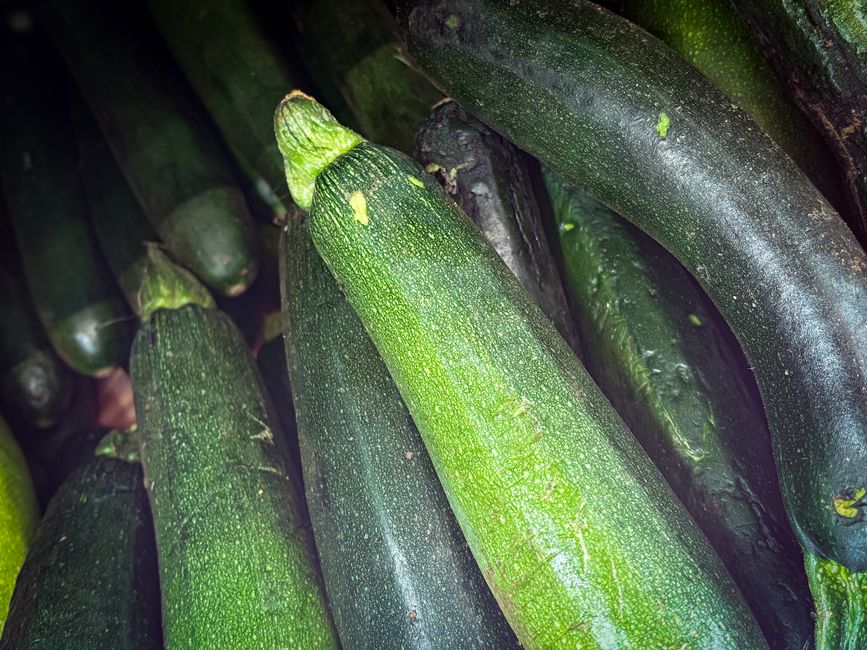
Yes, you can eat zucchini raw. It is a summer squash in the same family as cucumbers and melons, and it is commonly eaten uncooked in salads, wraps, and vegetable platters. Raw zucchini is safe for most healthy adults and children, and it keeps more of its water-soluble nutrients than cooked zucchini does.
That said, “safe” and “pleasant to eat” are two different things. Raw zucchini has a firm, slightly spongy texture and a mild flavor that some people find bland or bitter. A few practical details matter — how you slice it, how much you eat, and how it was grown — and those are worth knowing before you add it to your plate.
Is Raw Zucchini Safe to Eat?
Raw zucchini is generally safe. It is not a food that carries a well-known risk of foodborne illness the way raw sprouts or undercooked poultry do, and it has no toxic compounds at levels that would concern a healthy person eating normal amounts.
The main safety issue with zucchini — raw or cooked — is a group of natural plant chemicals called cucurbitacins. These compounds give squash and cucumbers their bitter taste. In normal store-bought zucchini, cucurbitacin levels are very low. But occasionally a zucchini is intensely bitter, and that bitterness signals high cucurbitacin content.
Eating a highly bitter zucchini can cause nausea, vomiting, stomach cramps, and diarrhea. Cases are uncommon but they are documented in the medical literature, and they usually involve either homegrown zucchini from a plant that cross-pollinated with a wild or ornamental squash, or a stray bitter vegetable in a batch.
The takeaway is simple: taste a small piece first. If it is sharply bitter, spit it out and throw the zucchini away. Do not try to mask the bitterness with dressing or cooking. Bitterness this strong is not something you can fix.
For most people, though, raw zucchini is unremarkable. Wash it under running water, scrub the skin gently with your hands or a produce brush, and it is ready to eat.
What Happens to Zucchini’s Nutrients When You Eat It Raw?
Raw zucchini retains more vitamin C than cooked zucchini. Vitamin C is water-soluble and heat-sensitive, so boiling, steaming, and sautéing all reduce the amount that ends up on your plate. If vitamin C is your reason for eating zucchini, raw is the better choice.
Cooking does not destroy everything, though. Some nutrients actually become easier to absorb after heating, because heat breaks down plant cell walls. Beta-carotene and other carotenoids fall into this category. So does the mineral content — minerals like potassium and magnesium are not destroyed by heat at all.
Here is a rough look at how raw and cooked zucchini compare. Values are approximate and vary by variety, growing conditions, and cooking method.
| Nutrient | Raw zucchini (1 cup, sliced) | Cooked zucchini (1 cup, sliced) |
|---|---|---|
| Calories | About 20 | About 27 |
| Water content | Very high (over 90%) | High, slightly lower |
| Vitamin C | Higher | Reduced by heat |
| Potassium | Similar | Similar |
| Fiber | Similar | Similar |
The differences are modest. Zucchini is mostly water either way, and it is not a major source of any single nutrient. Think of it as a low-calorie vegetable that adds volume, fiber, and some vitamins to a meal — not as a nutritional powerhouse.
Why Does Raw Zucchini Sometimes Taste Bitter?
Bitterness in zucchini comes from cucurbitacins, the same class of compounds that makes some cucumbers and melons bitter. The plant produces them as a natural defense against being eaten by insects and animals.
Commercially grown zucchini is bred to keep cucurbitacin levels low, which is why supermarket zucchini is almost always mild. The risk goes up when a zucchini plant is grown at home and cross-pollinates with a bitter variety, a wild squash, or an ornamental gourd. The seeds from that cross can produce fruit with high cucurbitacin levels even though the parent plant looked normal.
Bitter zucchini does not look different from sweet zucchini. You cannot tell by color, size, or firmness. The only reliable test is taste.
If you grow zucchini at home and one fruit tastes bitter, do not eat it, and consider whether other fruit from the same plant might also be affected. Saving seeds from a bitter plant is not a good idea, since the trait can carry forward.




How Should You Prepare and Eat Raw Zucchini?
Raw zucchini works best when it is cut thin. Thick rounds are firm and a little chewy, and the texture puts some people off. Thin slices, ribbons, or matchsticks are much easier to eat.
A vegetable peeler makes long ribbons that work well in salads. A mandoline or sharp knife gives you thin coins. If you want to soften the texture slightly without cooking it, sprinkle salt on the slices, let them sit for a few minutes, then pat them dry. The salt draws out some water and makes the zucchini less crunchy.
Because zucchini is so mild, it takes on whatever you pair it with. Some ways people eat it raw:
- Sliced thin into green salads or grain bowls
- Cut into matchsticks for dipping in hummus or yogurt sauce
- Shaved into ribbons and tossed with lemon, olive oil, and herbs
- Layered into wraps or sandwiches in place of lettuce
- Grated into a slaw with carrot and cabbage
The skin is edible and holds much of the fiber, so there is no need to peel it. Just wash it well.
Can Raw Zucchini Cause Stomach Problems?
Raw zucchini can cause digestive discomfort in some people, mostly because of its fiber content and because raw vegetables in general are harder to break down than cooked ones.
Zucchini contains a type of carbohydrate called a FODMAP — specifically, certain sugars that some people absorb poorly. For people with irritable bowel syndrome, these sugars can trigger gas, bloating, and cramping. Zucchini is generally listed as a low-FODMAP vegetable in small servings, but larger amounts can still cause symptoms in sensitive individuals.
If raw zucchini upsets your stomach, cooking it will not necessarily solve the problem, but it often helps. Heat softens the fiber and can make the vegetable easier to digest.
The other stomach risk is the bitter-zucchini issue described earlier. If you eat a highly bitter zucchini and then feel nauseated or start vomiting, that is a different situation from ordinary bloating, and it is worth seeking medical attention if symptoms are severe or do not settle.
Who Should Be Careful With Raw Zucchini?
Most people can eat raw zucchini without issue. A few groups should be more cautious.
People with weakened immune systems may want to be careful with any raw produce, since washing reduces but does not eliminate surface bacteria. This is a general food-safety principle, not something specific to zucchini.
People with irritable bowel syndrome or other digestive conditions that respond to FODMAPs may find that raw zucchini in larger amounts causes symptoms. Small servings are usually better tolerated.
Anyone who tastes a bitter zucchini should stop eating it immediately, regardless of health status. That advice applies to everyone.
For pregnant women, there is no specific concern with raw zucchini beyond standard produce safety — wash it thoroughly. No clinical guidelines single out zucchini as a food to avoid during pregnancy.
Does Raw Zucchini Have Any Special Health Benefits?
No. Raw zucchini is a healthy vegetable, but it is not a medicinal food, and claims that it detoxifies the body, boosts metabolism, or treats specific conditions are not supported by clinical evidence.
What raw zucchini does offer is straightforward. It is low in calories, high in water, and provides fiber, vitamin C, potassium, and small amounts of other vitamins and minerals. Those are real benefits, but they are the ordinary benefits of eating vegetables, not something unique to zucchini.
One thing worth correcting: some online sources claim raw zucchini is more nutritious than cooked across the board. That is not accurate. It depends on the nutrient. Vitamin C is better preserved raw. Carotenoids like beta-carotene are often better absorbed from cooked zucchini. Neither version is clearly superior.
If you enjoy raw zucchini, eat it raw. If you prefer it cooked, cook it. The health difference between the two is small compared to the difference between eating vegetables and not eating them at all.
Frequently Asked Questions
Can you eat zucchini raw without cooking it?
Yes, raw zucchini is safe to eat for most healthy people. Wash it first and taste a small piece to check for bitterness before eating more.
Is raw zucchini healthier than cooked zucchini?
It depends on the nutrient. Raw zucchini keeps more vitamin C, while cooking can make carotenoids like beta-carotene easier for the body to absorb.
What does bitter raw zucchini mean?
Strong bitterness means the zucchini contains high levels of natural compounds called cucurbitacins. Do not eat it, because it can cause nausea, vomiting, and diarrhea.
Can raw zucchini make you sick?
Normal, mild-tasting zucchini is very unlikely to make you sick. A bitter zucchini can cause digestive symptoms, which is why tasting a small piece first matters.
