
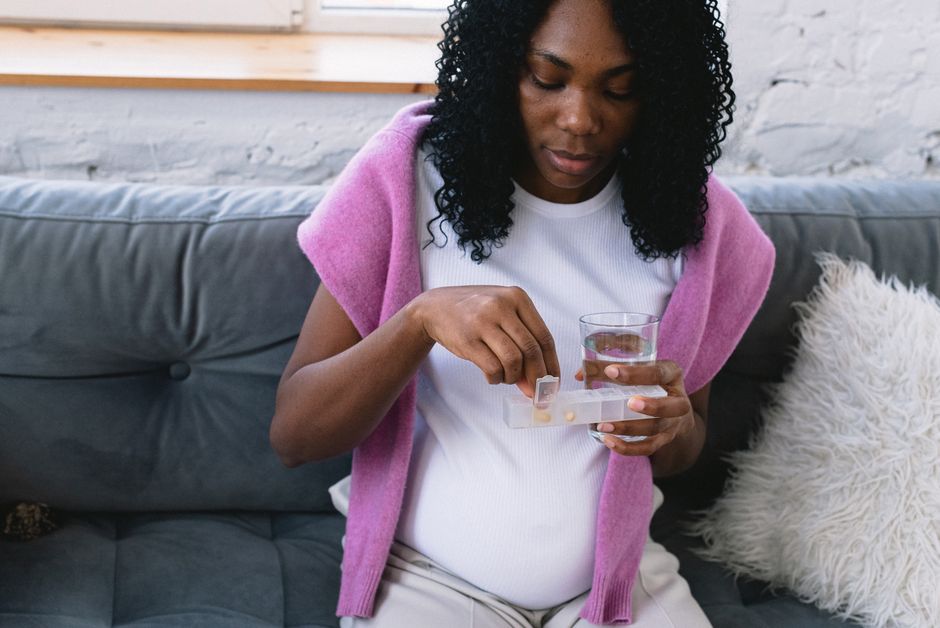
Bio Oil is generally considered safe for use during pregnancy, but the question is nuanced because it contains a small amount of vitamin A (retinyl palmitate). The concentration is low, and absorption through intact skin is minimal. Most dermatologists and obstetricians agree that the risk from typical use is very low. However, because high oral doses of vitamin A are known to cause birth defects, some experts recommend avoiding any topical vitamin A during pregnancy as a precaution. If you are concerned, you can choose stretch mark products without vitamin A.
What Is Bio Oil and Why Do Pregnant Women Use It?
Bio Oil is a popular skincare product marketed to reduce the appearance of scars, stretch marks, and uneven skin tone. Many pregnant women use it on their abdomen, breasts, and thighs hoping to prevent or minimize stretch marks. The formula contains a blend of plant oils (such as calendula, lavender, and chamomile) along with vitamins A and E. Its pleasant texture and fragrance make it easy to apply regularly.
The evidence that any topical product can prevent stretch marks is limited. Stretch marks form when the skin stretches rapidly due to weight gain or hormonal changes, and no single cream has been proven to stop them entirely. Some women find that moisturizing helps with itching and skin comfort, even if it doesn’t prevent marks.
Does Bio Oil Contain Vitamin A (Retinyl Palmitate)?
Yes, Bio Oil lists retinyl palmitate as an ingredient. Retinyl palmitate is a form of vitamin A that is used in many over-the-counter skincare products because it can support skin cell turnover and collagen production. In Bio Oil, the concentration of retinyl palmitate is very low. For comparison, prescription retinoid creams for acne or aging may contain 10 to 100 times more active vitamin A.
The specific percentage in Bio Oil is not listed on the label, but the manufacturer states it is a trace amount. Independent analyses typically estimate it at around 0.05% or less. That is well below the level generally considered a concern for systemic absorption.
What Are the Risks of Vitamin A During Pregnancy?
The concern about vitamin A comes from well-established evidence that high oral doses of retinoids (such as isotretinoin) can cause severe birth defects. These include malformations of the heart, nervous system, and face. This risk applies only to vitamin A that reaches the bloodstream in significant amounts.
Topical application is different. The skin acts as a barrier, and only a small fraction of what you put on your skin enters the circulation. The amount of vitamin A absorbed from a product like Bio Oil is far lower than what you would get from a pregnancy multivitamin or from food sources like carrots or liver. The body also regulates vitamin A levels carefully, so a small extra amount is usually not a problem.





How Much Vitamin A Is Absorbed From Bio Oil?
There are no large human studies measuring vitamin A blood levels after applying Bio Oil. However, research on other low-concentration retinyl palmitate products suggests that absorption is minimal—typically less than 5% of the applied dose. Applying Bio Oil to a small area like a stretch mark patch results in an even lower total amount.
To put it in perspective, a single serving of beef liver contains thousands of international units (IU) of vitamin A, far more than what would be absorbed from weeks of daily Bio Oil use. The body has mechanisms to store and excrete excess vitamin A, so the trace amounts from topical use are not considered a risk by most clinicians.
What Do Experts Say About Bio Oil and Pregnancy?
Opinions vary. The American Academy of Dermatology does not specifically recommend or warn against Bio Oil for pregnant women. Some obstetricians suggest patients avoid any topical vitamin A as a precaution, especially during the first trimester when fetal development is most sensitive. Others consider the risk negligible and allow its use.
The manufacturer, Bio Oil, states on their website that their product is safe for use during pregnancy and has been used by millions of women without reported issues. There have been no published case reports linking Bio Oil use to birth defects. In the absence of evidence of harm, many experts view it as low risk.
Are There Safer Alternatives to Bio Oil for Pregnancy Stretch Marks?
If you prefer to avoid any topical vitamin A during pregnancy, there are many alternatives that do not contain retinyl palmitate. Common options include:
- Pure cocoa butter or shea butter
- Sweet almond oil or jojoba oil
- Products made with centella asiatica (gotu kola) or hyaluronic acid
- Simple moisturizers like unscented lotions rich in ceramides
None of these are proven to prevent stretch marks either, but they can help keep skin hydrated and may reduce itching. The most effective strategy for minimizing stretch marks is gradual weight gain during pregnancy, but that is not always under your control.
What Should You Do If You Are Pregnant and Using Bio Oil?
If you are already using Bio Oil and are not worried, you can continue. The evidence does not suggest any danger. If you want to be extra cautious, you can switch to a product without vitamin A. The decision is personal. You can also talk to your obstetrician or dermatologist at your next appointment.
If you experience any skin irritation or rash, stop using the product. Some women become more sensitive to fragrances and plant extracts during pregnancy. In that case, a plain moisturizer may be better tolerated.
Frequently Asked Questions
Does Bio Oil contain retinyl palmitate?
Yes, Bio Oil contains retinyl palmitate, a form of vitamin A, at a low concentration.
Can topical vitamin A cause birth defects?
High-dose oral retinoids are known to cause birth defects, but there is no evidence that low-concentration topical vitamin A like that in Bio Oil does.
What stretch mark products are safe for pregnancy?
Products without vitamin A, such as cocoa butter, shea butter, and almond oil, are generally considered safe but are not proven to prevent stretch marks.
Should I stop using Bio Oil if I am trying to conceive?
Most experts say it is not necessary, but if you prefer to avoid any potential risk, you can switch to a vitamin A‑free product.
