
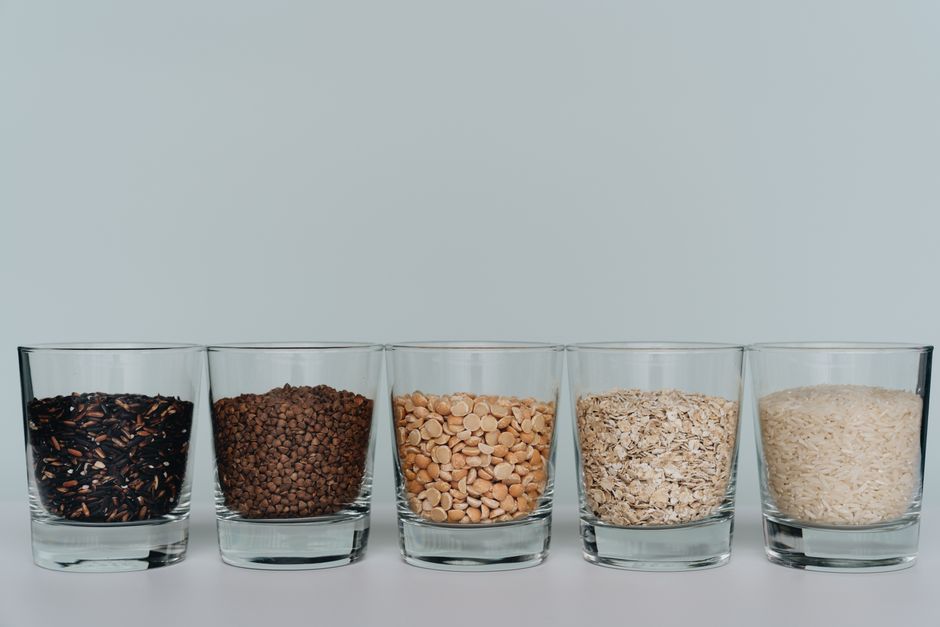
Yes, you can eat cold rice. But you need to be careful about how it was stored after cooking. The real concern is not the temperature. It is a type of bacteria called Bacillus cereus that can grow in rice left at room temperature too long. Eating cold rice that was cooled quickly and stored properly is perfectly safe for most people.
Is It Safe to Eat Cold Rice?
The safety of cold rice comes down to one thing: how long it sat out after cooking. Bacillus cereus is a bacteria commonly found in soil and rice. When rice is cooked, any spores that survived the heat start to grow if the rice stays in the “danger zone” between 40°F and 140°F for too long.
Research shows that Bacillus cereus can multiply quickly in rice left at room temperature. The UK Food Standards Agency advises not leaving cooked rice at room temperature for more than one hour. The USDA is a bit more lenient at two hours. Either way, the clock starts ticking the moment the rice is done cooking.
If you cool rice rapidly and put it in the refrigerator within that window, it is safe to eat cold the next day. The bacteria do not die in the fridge. They just stop growing. As of 2026, current research suggests that properly cooled rice can be stored safely in the refrigerator for three to four days.
What Happens If You Eat Bad Cold Rice?
The most common problem is food poisoning from Bacillus cereus. Symptoms usually show up quickly. Within one to five hours of eating contaminated rice, you may experience vomiting, nausea, and stomach cramps. A second type of illness from the same bacteria causes diarrhea, which takes longer to appear — about six to fifteen hours.
Most people recover without medical treatment within 24 hours. But the experience is miserable. Vomiting and diarrhea can lead to dehydration, which is more dangerous for older adults, young children, and people with weakened immune systems.
There is a viral story that circulates online about “fried rice syndrome” where someone dies from eating old rice. This is extremely rare. Severe cases happen mostly in people who already have serious health conditions. For a healthy adult, bad cold rice means a rough day or two, not a hospital visit. Still, it is not worth the risk.
How Should You Store Rice to Eat Cold?
The key is speed. As soon as the rice is done cooking, you need to cool it down fast. Do not leave the pot on the stove to cool slowly. Spread the rice out on a baking sheet or in a shallow container. This increases the surface area and helps it cool faster.
Once the rice is cool to the touch — usually within 30 to 60 minutes — put it in the refrigerator. Use a container with a tight lid. Do not leave it uncovered. Bacteria can get in from other foods in the fridge.
Here is a quick checklist for safe cold rice storage:
- Cool rice within one hour of cooking
- Spread it thin to speed cooling
- Refrigerate in a sealed container
- Eat within three to four days
- Do not reheat rice more than once
Reheating is not a safety fix. If bacteria have already grown and produced toxins, reheating will kill the bacteria but not the toxins. Those toxins are heat-stable. They can survive boiling. So if rice sat out too long, reheating it will not make it safe.





Can You Eat Cold Rice from a Restaurant?
Restaurant rice is a different situation because you do not know how it was handled. Sushi rice, for example, is typically made fresh and served at room temperature. Reputable sushi restaurants make small batches throughout the day. The rice does not sit out for hours.
Takeout rice is trickier. If you order Chinese food and the rice arrives warm, you have about two hours to eat it or refrigerate it. If you order it for delivery and it arrives lukewarm or cold, that is a red flag. It may have been sitting out for a while before it reached you.
Some studies suggest that restaurant rice is a common source of Bacillus cereus outbreaks. A 2019 review in the journal Foods noted that fried rice dishes are frequently linked to food poisoning cases. The problem is not the rice itself. It is the practice of cooking large batches and leaving them at room temperature for long periods.
If you are eating cold rice at a restaurant or from a takeout container, ask yourself: was this rice freshly made, or could it have been sitting out for hours? If you are not sure, it is safer to pass.
Does Reheating Kill the Bacteria in Rice?
This is where a lot of people get confused. Reheating rice to steaming hot will kill the Bacillus cereus bacteria. But it will not destroy the toxins they already produced. Think of it like this: the bacteria are the factory, and the toxins are the product. Killing the factory does not remove the product that is already on the shelves.
The only way to be safe is to prevent the bacteria from growing in the first place. That means cooling rice quickly and refrigerating it promptly. If rice has been at room temperature for more than two hours, throw it out. Do not try to save it by reheating.
There is one exception. If you cooked rice, cooled it properly, refrigerated it, and then want to eat it cold — that is fine. The bacteria never had a chance to grow. The toxins never formed. You are eating safe cold rice.
What About the Resistant Starch Benefits of Cold Rice?
You may have heard that cold rice is healthier because it contains more resistant starch. This is true, but the difference is smaller than many health articles claim. When rice is cooked and then cooled, some of the starch changes form. It becomes resistant to digestion in the small intestine and travels to the large intestine where gut bacteria ferment it.
This process does create a small increase in resistant starch. Some studies suggest it may lower the glycemic response — meaning your blood sugar does not spike as high after eating cold rice compared to hot rice. A 2015 study in the Asia Pacific Journal of Clinical Nutrition found that cold rice had a lower glycemic index than freshly cooked rice.
But do not overstate this benefit. The amount of resistant starch that forms depends on the type of rice, how long it is cooled, and how it is stored. The effect on blood sugar is modest. Eating cold rice is not a weight loss strategy or a diabetes cure. It is a small nutritional shift, not a major health transformation.
If you like the taste and texture of cold rice, the resistant starch is a nice bonus. But do not force yourself to eat cold rice you do not enjoy just for this reason. There are better ways to get resistant starch — like oats, beans, and green bananas — that taste good hot or cold.
Frequently Asked Questions
Can you eat cold rice straight from the fridge?
Yes, if it was cooled within one hour of cooking and stored in a sealed container for no more than four days.
How long can cooked rice sit out before it is unsafe?
Do not leave cooked rice at room temperature for more than two hours. One hour is safer.
Does reheating rice make it safe if it sat out too long?
No. Reheating kills the bacteria but does not destroy the heat-stable toxins they already produced.
Is cold rice healthier than hot rice?
Cold rice has slightly more resistant starch, which may lower blood sugar response, but the difference is modest.
