
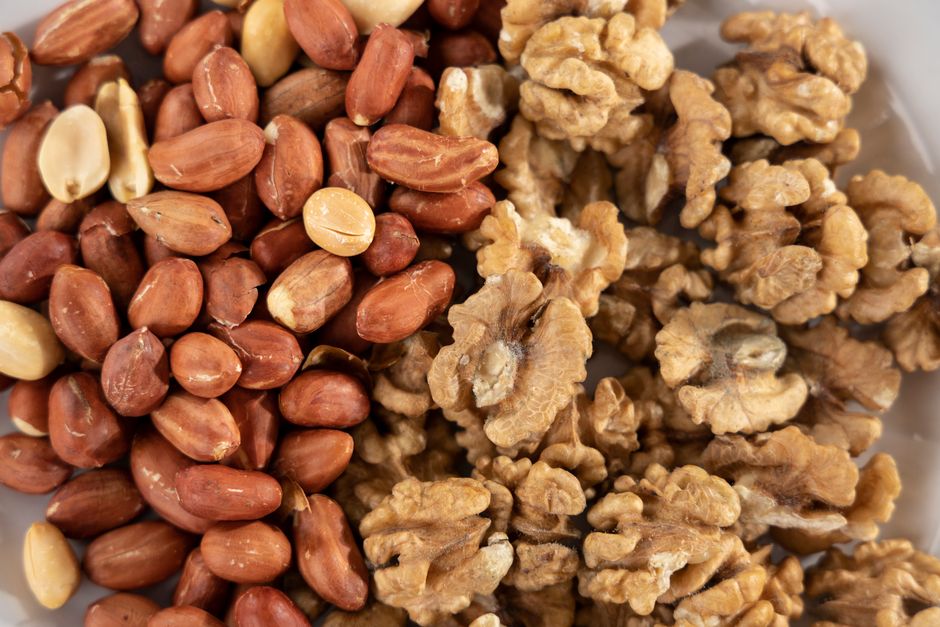
If you have ever munched on a handful of peanuts and wondered whether eating the shell is safe, the short answer is: it is not toxic, but it is not a good idea. Peanut shells are mostly indigestible fiber and can cause digestive issues, dental damage, and even blockages. While some people eat them for the crunch or the fiber, the risks generally outweigh any potential benefits.
What Is a Peanut Shell Made Of?
Peanut shells are the hard, fibrous outer covering of the peanut seed. Botanically, they are part of the legume pod. The shell is made primarily of cellulose, lignin, and hemicellulose — the same tough materials found in wood and plant stems.
Cellulose is a type of insoluble fiber. Humans lack the enzyme needed to break it down. This means the shell passes through your digestive system mostly unchanged. Lignin adds to the hardness and is also indigestible. Together, these components make the shell very difficult for your body to process.
The shell also contains small amounts of protein, fat, and carbohydrates, but these are minimal compared to the peanut kernel itself. Nutritionally, the shell offers almost nothing your body can use.
Is It Bad To Eat The Peanut Shell? The Short Answer
Eating a peanut shell occasionally is unlikely to cause serious harm. Your body will simply pass the pieces through your stool. But doing it regularly or in large amounts comes with real risks.
The main concern is physical damage. The sharp, hard edges of broken shells can scratch your throat, esophagus, or the lining of your stomach and intestines. This is rare but possible, especially if you eat shells that are not chewed into tiny pieces.
Another common issue is constipation. Because the shell is pure insoluble fiber, it can bulk up stool. For most people, this is manageable. But if you eat a lot of shells without drinking enough water, it can lead to a blockage. In severe cases, this requires medical attention.
There is also a risk of dental problems. Biting down on a hard peanut shell can crack or chip a tooth. This is one of the more immediate and painful risks.
Can Peanut Shells Be Digested?
No. The human digestive system cannot break down cellulose or lignin. These fibers pass through your stomach and small intestine without being digested. They reach your colon mostly intact.
In the colon, some bacteria can ferment a small amount of the fiber. But the vast majority of the shell material remains unchanged and is eliminated in your stool. This is why you might see recognizable pieces of shell in the toilet after eating them.
This is not necessarily harmful in small amounts. Insoluble fiber is a normal part of many plant foods. But the key difference is that most plant fibers are softer and break down more easily than peanut shells.


Are There Any Health Benefits to Eating Peanut Shells?
Some people claim that eating peanut shells provides extra fiber. That is technically true. The shell is almost entirely fiber. But there are much better sources of fiber that do not come with the same risks.
One cup of peanut shells contains roughly 5 to 8 grams of fiber. Compare that to a cup of cooked oats, which has about 4 grams. But oats are soft, digestible, and provide other nutrients. Peanut shells offer no vitamins, minerals, or protein worth mentioning.
There is no clinical evidence that eating peanut shells improves digestion, lowers cholesterol, or helps with weight loss. These claims are based on the general benefits of fiber, not on any specific property of the shell itself. You can get the same fiber benefits from safer foods like vegetables, fruits, and whole grains.
Some people also believe the shells contain antioxidants. They do contain small amounts of phenolic compounds, but far less than the peanut kernel or the skin. You would need to eat a very large amount of shells to get any meaningful antioxidant effect, which would not be safe.
What About Boiled Peanut Shells?
Boiled peanuts are a popular snack in the southern United States. The shells are much softer after boiling. This makes them easier to chew and swallow. Many people eat the shells along with the peanuts when they are boiled.
Boiling does not make the shells digestible. They still contain cellulose and lignin. But the heat and moisture soften the structure, reducing the risk of physical damage to your teeth and throat. The risk of intestinal blockage is also lower because the shells break apart more easily.
Still, boiled peanut shells are not a significant source of nutrition. They are mostly water and fiber. If you enjoy the texture and have no digestive issues, eating them in moderation is probably fine. But there is no health reason to add them to your diet.
Who Should Avoid Peanut Shells Entirely?
Some people are at higher risk of complications and should never eat peanut shells. This includes anyone with a history of intestinal blockages, diverticulitis, or Crohn’s disease. The hard, indigestible fiber can get stuck in narrowed areas of the bowel and cause serious pain.
People with dental crowns, bridges, or weak enamel should also avoid them. The force needed to bite through a shell can damage dental work. Children and older adults are at higher risk for choking or dental injury.
If you have a peanut allergy, the shell itself does not contain the allergenic proteins found in the kernel. But cross-contamination is possible. Shells that touch peanuts during processing may carry enough protein to trigger a reaction. It is not worth the risk.
How Much Is Too Much?
There is no official guideline for how many peanut shells are safe to eat. But based on what we know about insoluble fiber and physical risks, a reasonable rule is: occasional small amounts are likely fine, but regular or large amounts are not.
If you accidentally eat a shell or two from a handful of peanuts, you will probably not notice any effect. If you eat a whole bowl of shells, you could end up with stomach pain, bloating, or constipation. In rare cases, a large mass of shells can form a bezoar — a solid lump of indigestible material in the stomach that requires medical removal.
The safest approach is to avoid eating the shells altogether. There is no nutrient you need from them that you cannot get from safer foods.
What Do Experts Recommend?
Most health experts, including gastroenterologists and dietitians, advise against eating peanut shells. The risks are small but real, and the benefits are nonexistent for most people. There is no official recommendation from any major health organization to include peanut shells in your diet.
Some traditional or folk practices include eating roasted peanut shells for their fiber content. But these practices are not supported by modern evidence. The consensus among medical professionals is clear: peanut shells are not food.
If you are looking for more fiber in your diet, there are many better options. Oats, beans, lentils, apples, carrots, and leafy greens all provide fiber without the physical risks. There is no need to eat something your body cannot digest.
Frequently Asked Questions
Can eating peanut shells cause appendicitis?
It is very unlikely. Peanut shells are indigestible but small enough to pass through the appendix in most cases. There is no strong evidence linking peanut shells to appendicitis.
Are roasted peanut shells safer than raw ones?
Roasting makes the shells more brittle but does not change their digestibility. They still contain the same indigestible fiber and can cause the same risks if eaten in large amounts.
Do peanut shells contain any nutrients?
They contain small amounts of fiber and trace minerals, but not enough to matter for your diet. The peanut kernel and its skin are far more nutritious.
Can animals eat peanut shells safely?
Some animals like pigs and cattle can digest peanut shells better than humans. But for pets like dogs, peanut shells can cause choking or intestinal blockages and are not recommended.
