
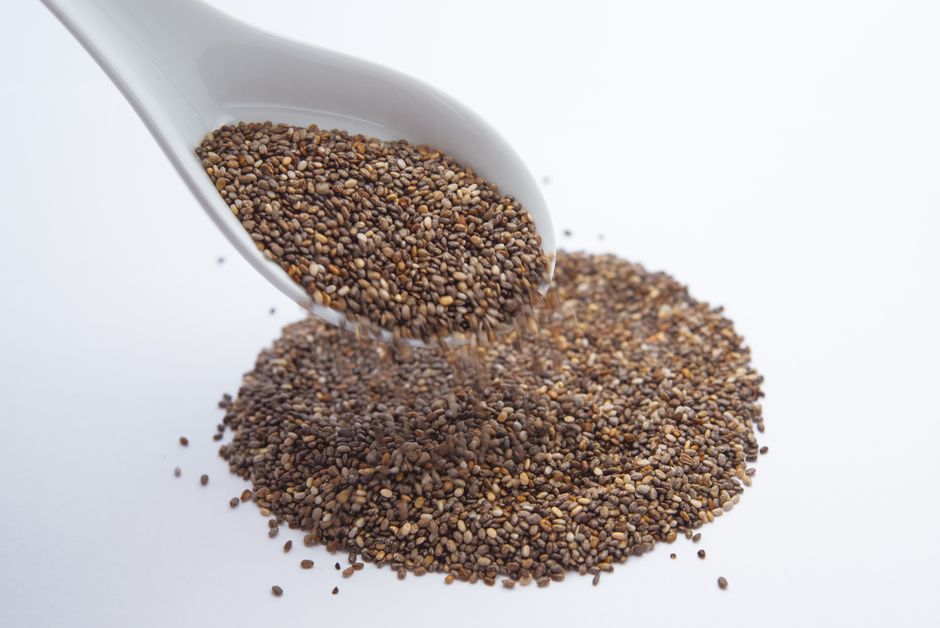
Yes, you can eat chia seeds while pregnant. They are safe for most women when eaten in normal food amounts. Chia seeds provide fiber, omega-3s, calcium, and other nutrients that support a healthy pregnancy. That said, you need to prepare them properly and eat them in moderation. This article explains the facts, benefits, and a few precautions to keep in mind.
Are Chia Seeds Safe During Pregnancy?
Yes, chia seeds are generally recognized as safe by the U.S. Food and Drug Administration. No large clinical trials have specifically studied chia seeds in pregnancy, but the available evidence from general nutrition research and long history of use supports their safety. The key is moderation — a serving of about one to two tablespoons per day is well within typical dietary guidelines.
Some concerns you may see online are based on theoretical risks rather than documented harm. For example, chia seeds contain alpha-linolenic acid (ALA), a plant-based omega-3. There is no evidence that ALA at dietary levels causes problems in pregnancy. However, if you have a history of bleeding disorders or take blood-thinning medication, it is reasonable to check with your doctor before adding large amounts of any omega-3-rich food.
Chia seeds are not a medicine. They are a food. Eating them as part of a balanced diet is unlikely to cause issues for most pregnant women. The bigger risk is not the seeds themselves, but how you eat them — dry chia seeds can swell and cause choking if swallowed without liquid. This is a physical hazard, not a toxicity issue.
What Nutrients Do Chia Seeds Provide for Pregnancy?
Chia seeds are nutrient-dense, meaning they pack a lot of vitamins and minerals into a small serving. Here are the key nutrients relevant to pregnancy:
- Fiber: About 10 grams per two-tablespoon serving. Fiber helps prevent constipation, a common pregnancy complaint. It also supports stable blood sugar levels.
- Omega-3 fatty acids (ALA): About 5 grams per serving. The body converts ALA into EPA and DHA at a low rate (roughly 5–15% for EPA and less than 1% for DHA). DHA is important for fetal brain and eye development, but chia seeds alone may not provide enough DHA. You still need a direct source of DHA, such as fatty fish or an algae-based supplement.
- Calcium: About 180 mg per serving. That is roughly 15–18% of the recommended daily intake during pregnancy (1,000–1,300 mg). Calcium supports fetal bone development and helps maintain your own bone density.
- Magnesium: About 95 mg per serving. Magnesium helps with muscle function, blood pressure regulation, and may reduce the risk of preeclampsia when combined with adequate calcium.
- Phosphorus: About 240 mg per serving. Works with calcium for bone health.
- Protein: About 4–5 grams per serving. Useful but not a high source — you still need adequate protein from other foods.
These numbers are based on standard USDA nutritional data. Individual brand variations are small. No food alone can replace a complete prenatal vitamin, but chia seeds can contribute meaningful amounts of several key nutrients.
Can Chia Seeds Help with Constipation During Pregnancy?
Constipation is very common during pregnancy due to hormonal changes and pressure from the growing uterus. Chia seeds are high in soluble fiber, which absorbs water and forms a gel in your digestive tract. This gel softens stool and makes it easier to pass. Several studies in non-pregnant adults show that chia seeds increase stool frequency and improve consistency. The same mechanical effect applies during pregnancy.
There is a catch: fiber works best with adequate fluid. If you increase chia seed intake without drinking enough water, constipation can actually get worse. Aim to drink at least eight to ten cups of water or other fluids per day when adding chia seeds. Also introduce them gradually — a sudden jump in fiber can cause gas and bloating. Start with one tablespoon per day and increase to two if your digestion handles it well.
Some research also suggests that the gel-forming property of chia seeds may help stabilize blood sugar after meals by slowing down carbohydrate absorption. This could be beneficial for managing gestational diabetes, but no large trials have tested chia seeds specifically for that purpose. The evidence here is indirect.


How Much Omega-3s Do Chia Seeds Offer Compared to Other Sources?
Chia seeds are one of the richest plant sources of ALA omega-3s. But not all omega-3s are equally active in the body. The body must convert ALA into the longer-chain omega-3s EPA and DHA. Conversion efficiency is low — estimates range from 5% to 15% for EPA and less than 1% for DHA. During pregnancy, your body may convert slightly more, but you still cannot rely on chia seeds to meet your DHA needs.
For comparison, a two-tablespoon serving of chia seeds provides roughly 5 grams of ALA. After conversion, that yields at most about 0.75 grams of EPA and a trace amount of DHA. A 3-ounce serving of salmon contains about 1 gram of preformed DHA plus EPA. If you do not eat fish, an algae-based DHA supplement is a more reliable source than chia seeds for fetal brain development.
That does not mean chia seeds are worthless for omega-3s. They still contribute to your total omega-3 intake, and ALA has its own health benefits, including reducing inflammation. But if you are using chia seeds specifically to get DHA, the evidence says they are not a substitute.
Are There Any Risks with Chia Seeds During Pregnancy?
For most women, the risks are small and manageable. Here are the ones worth knowing:
- Choking hazard: Dry chia seeds expand rapidly when they touch moisture. If you swallow a spoonful of dry seeds without drinking enough liquid, they can swell in your esophagus and cause choking or a blockage. This is a real risk, not theoretical. Always soak seeds in water, yogurt, or another liquid for at least 10–15 minutes before eating, or add them to foods with plenty of moisture.
- Digestive issues: Too much fiber too quickly can cause gas, bloating, cramping, or diarrhea. This is true for any high-fiber food. Start with a small serving and increase slowly.
- Blood thinning: ALA in very high doses (well above food amounts) can theoretically thin blood. No study has documented this effect from dietary servings of chia seeds, but if you take anticoagulant medication or have a clotting disorder, it is prudent to discuss with your healthcare provider before adding large amounts.
- Allergies: Chia seed allergies are rare but have been reported. If you have a known seed allergy, avoid them. Symptoms may include hives, itching, or difficulty breathing.
- Pesticide residues: Some chia seed products may contain trace pesticides. No evidence suggests this is a meaningful risk at typical intake, but you can reduce exposure by choosing organic chia seeds if you are concerned.
How to Safely Eat Chia Seeds While Pregnant
Preparation matters. Here are straightforward guidelines:
- Soak them. Mix one to two tablespoons of chia seeds with about one cup of liquid. Stir and let sit for 10–15 minutes until a gel forms. You can use water, milk, almond milk, yogurt, or juice.
- Add to foods. Sprinkle soaked seeds into oatmeal, smoothies, pudding, yogurt, or baked goods. You can also stir them into soups or sauces.
- Never eat them dry by the spoonful. This is the most common dangerous mistake.
- Drink enough water. Because chia seeds absorb fluid, make sure your overall fluid intake is adequate throughout the day.
- Stay within 1–3 tablespoons per day. That is a reasonable range based on typical dietary patterns. More than that may cause digestive discomfort without added benefit.
- If you have a medical condition or take medication, ask your doctor. This is especially true if you have a bleeding disorder or take blood thinners.
Frequently Asked Questions
Can I eat chia seeds every day while pregnant?
Yes, eating one to two tablespoons of chia seeds daily is safe for most pregnant women. Just be sure to soak them and drink enough fluids.
Do chia seeds cause miscarriage?
No. No credible evidence links chia seeds to miscarriage. This myth likely comes from the idea that herbs or seeds that stimulate the uterus can cause problems, but chia seeds have no known uterine-stimulating effect at dietary doses.
Can chia seeds replace prenatal vitamins?
No. Chia seeds provide several important nutrients but not enough folic acid, iron, vitamin D, or DHA to meet pregnancy needs. They are a complement, not a substitute.
Can I eat raw chia seeds while pregnant?
Dry chia seeds are not recommended because they can swell in your throat. Soaking or cooking them makes them safe to eat. Once hydrated, they are fine to eat without further cooking.
