
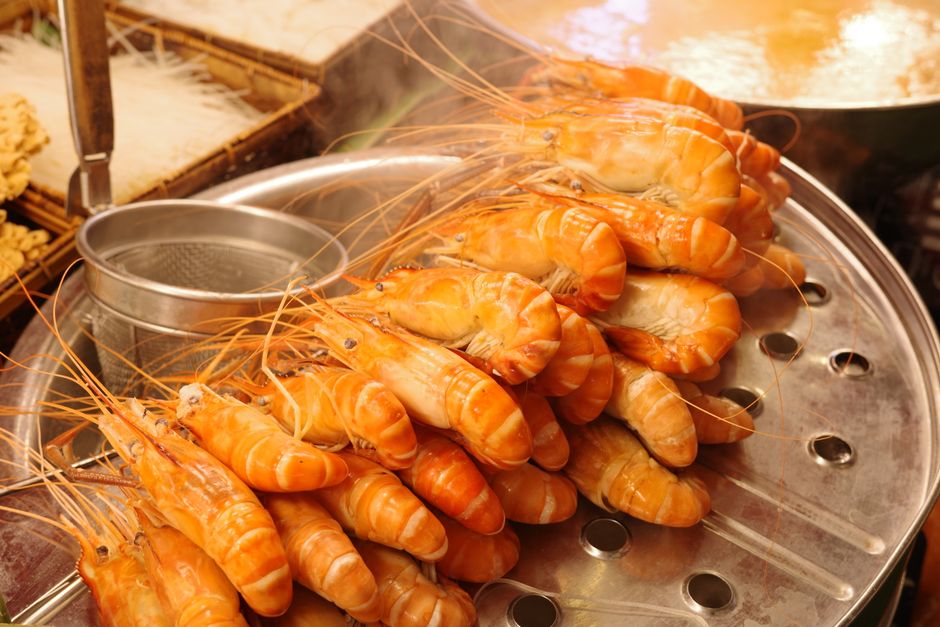
Yes, you can eat cooked shrimp while pregnant. The key is that the shrimp must be fully cooked to an internal temperature of 145°F. Shrimp is low in mercury and provides important nutrients like protein, iodine, and omega-3s. The concerns about shrimp during pregnancy come from the risk of foodborne illness from raw or undercooked seafood — not from shrimp itself.
Is It Safe to Eat Cooked Shrimp During Pregnancy?
Yes, it is safe. The FDA includes shrimp on its list of “Best Choices” for seafood during pregnancy. That means you can eat 2 to 3 servings per week.
Shrimp is naturally low in mercury. This is the main concern with other seafood like shark, swordfish, or tilefish. Mercury builds up in large predatory fish. Shrimp are small and low on the food chain, so they accumulate very little mercury.
The real risk with shrimp is bacterial or viral contamination. This only matters if the shrimp is raw or undercooked. Proper cooking kills harmful pathogens. If you are dining out, ask if the shrimp is fully cooked. If you are cooking at home, use a food thermometer.
Can You Eat Cooked Shrimp While Pregnant? What the Guidelines Say
The FDA and the American College of Obstetricians and Gynecologists both say cooked shrimp is safe during pregnancy. Their recommendation is 8 to 12 ounces of low-mercury seafood per week. That is roughly 2 to 3 servings.
Shrimp is one of the most commonly eaten seafoods in the United States. It is also one of the safest options during pregnancy when cooked properly. The guidelines are consistent across major health organizations. There is no debate here among experts.
Some women worry about shrimp because of general warnings about seafood during pregnancy. Those warnings target high-mercury fish and raw seafood. Cooked shrimp does not fall into either category.
How to Safely Prepare and Cook Shrimp While Pregnant
Cook shrimp until the flesh is pearly and opaque. The internal temperature should reach 145°F. If you do not have a thermometer, look for visual cues. The shrimp will turn from grayish-translucent to pink or white. The tail will curl into a loose C shape.
Do not eat shrimp that is still translucent in the center. Do not eat shrimp that smells strongly of ammonia. That is a sign of spoilage. Buy shrimp from a reputable source. Check the sell-by date. Keep shrimp refrigerated until you cook it.
Here are the safest cooking methods:
- Boiling: 2 to 3 minutes once water returns to a boil
- Sautéing: 3 to 4 minutes over medium heat
- Grilling: 2 to 3 minutes per side
- Baking: 8 to 10 minutes at 400°F
Reheat leftover cooked shrimp to 165°F before eating. Do not leave cooked shrimp at room temperature for more than 2 hours.



What About Shrimp Cocktail, Fried Shrimp, or Shrimp from Restaurants?
Shrimp cocktail is safe if the shrimp is fully cooked and then chilled. The cooking step is what matters. Cold cooked shrimp is fine. The risk would come from raw shrimp that was never cooked, not from the cold temperature.
Fried shrimp is safe as long as it is cooked through. The breading does not change the safety. The concern with fried shrimp is more about nutrition than safety. Fried foods can cause heartburn and indigestion, which are already common in pregnancy.
Restaurant shrimp is generally safe. Most restaurants cook shrimp to order. If you are unsure, ask your server if the shrimp is fully cooked. Avoid buffet shrimp that has been sitting out. Avoid any shrimp dish described as “ceviche-style” or “marinated raw.”
Nutritional Benefits of Eating Shrimp During Pregnancy
Shrimp provides several nutrients that are important during pregnancy. A 3-ounce serving of cooked shrimp has about 84 calories, 18 grams of protein, and less than 1 gram of fat. It is a lean protein source.
Shrimp is also a good source of iodine. Iodine is critical for fetal brain development. Many pregnant women do not get enough iodine. Shrimp provides about 35 micrograms per serving, which is roughly 25% of the daily recommendation.
Shrimp contains omega-3 fatty acids, specifically DHA. DHA supports fetal brain and eye development. The amount in shrimp is lower than in fatty fish like salmon, but it still contributes to your weekly intake.
Shrimp also provides selenium, vitamin B12, and phosphorus. These nutrients support thyroid function, nerve health, and bone development.
How Much Cooked Shrimp Can You Eat Per Week While Pregnant?
You can eat 2 to 3 servings of cooked shrimp per week. One serving is 3 to 4 ounces, which is about 6 to 8 medium shrimp. This is consistent with FDA guidelines for low-mercury seafood.
Eating more than this occasionally is unlikely to cause harm. Shrimp is very low in mercury. The limit is more about variety in your diet. The guidelines encourage eating a range of low-mercury seafood, not just shrimp every time.
If you eat shrimp three times in one week, skip other seafood that week. If you eat shrimp once, you can have salmon or canned light tuna another day. This keeps your mercury exposure low while giving you a range of nutrients.
When Should You Avoid Shrimp During Pregnancy?
Avoid shrimp if you have a shellfish allergy. Shrimp allergy is one of the most common food allergies. Symptoms include hives, swelling, difficulty breathing, and digestive issues. If you have never eaten shrimp before, pregnancy is not the time to test it.
Avoid shrimp that is raw, undercooked, or from an unknown source. Do not eat shrimp from street vendors, unrefrigerated displays, or buffets where you cannot confirm cooking temperature.
Avoid shrimp that smells bad or looks slimy. Fresh shrimp should smell like the ocean, not like ammonia. The shells should be firm and not slippery.
Some women avoid shrimp due to concerns about cholesterol. Shrimp is higher in dietary cholesterol than many other seafoods. However, dietary cholesterol has a small effect on blood cholesterol for most people. The American Heart Association says shrimp is fine to eat in moderation. If you have gestational diabetes or high cholesterol, talk to your doctor about your specific limits.
Common Myths About Eating Shrimp While Pregnant
Myth: Shrimp causes miscarriage. There is no evidence that properly cooked shrimp causes miscarriage. This belief likely comes from general warnings about raw seafood and listeria risk. Cooked shrimp does not carry that risk.
Myth: All seafood is high in mercury. This is false. Shrimp, salmon, sardines, and canned light tuna are low in mercury. Only large predatory fish like shark, swordfish, and king mackerel are high in mercury.
Myth: You should avoid shrimp entirely during pregnancy. This is outdated advice. Current guidelines from the FDA and ACOG encourage eating low-mercury seafood, including shrimp, during pregnancy. The benefits of the nutrients outweigh the minimal risks when the shrimp is fully cooked.
Myth: Cold shrimp is unsafe. Cold cooked shrimp is safe. The cooking process kills bacteria. Once cooked, shrimp can be safely refrigerated and eaten cold. The danger is raw shrimp, not cold shrimp.
Frequently Asked Questions
Can I eat shrimp from a restaurant while pregnant?
Yes, as long as the shrimp is fully cooked. Ask your server to confirm it is cooked through before ordering.
Can I eat frozen cooked shrimp while pregnant?
Yes, frozen cooked shrimp is safe as long as you reheat it to 165°F or thaw it in the refrigerator and eat it cold.
Can I eat shrimp cocktail while pregnant?
Yes, shrimp cocktail is safe if the shrimp was fully cooked before being chilled. The cooking step kills any harmful bacteria.
How many shrimp can I eat per week while pregnant?
You can eat 2 to 3 servings per week, with one serving being about 6 to 8 medium shrimp or 3 to 4 ounces.
