
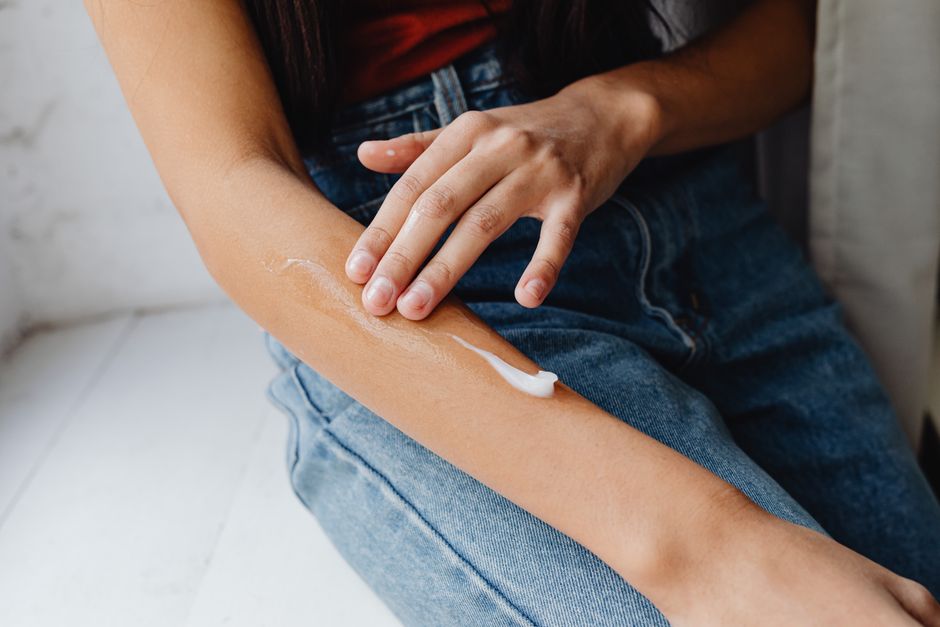
You cannot buy prescription-strength estrogen cream over the counter in the United States. Products containing estradiol, the primary form of estrogen used in hormone therapy, require a prescription from a doctor. However, you will find creams sold over the counter that contain plant-based ingredients like wild yam or soy, but these do not contain actual estrogen hormones. The distinction matters because these products do not deliver estrogen to your body in a way that treats medical conditions like vaginal atrophy or menopause symptoms.
Why Is Estrogen Cream Prescription Only?
Estrogen is a potent hormone with real effects throughout your body. The FDA classifies it as a prescription drug because using it without medical oversight carries risks. These risks include blood clots, stroke, and an increased chance of certain cancers, especially when estrogen is used without progesterone in women who still have a uterus.
Doctors also need to assess your personal risk before prescribing estrogen. Your medical history, family history, and current health conditions all factor into that decision. A doctor can order blood tests and review your symptoms to determine if estrogen therapy is appropriate for you at all.
Prescription estrogen creams are regulated for strength and purity. Over-the-counter products are not held to the same standards. You cannot know exactly what you are getting or how much active hormone it contains.
What Is Actually in Over-the-Counter “Estrogen” Creams?
Most over-the-counter creams marketed for menopause or vaginal dryness contain wild yam extract or soy isoflavones. These are plant compounds that some people believe act like estrogen in the body. The label may say “natural estrogen” or “bio-identical,” but that does not mean the cream contains estradiol.
Wild yam contains a compound called diosgenin. Your body cannot convert diosgenin into estrogen on its own. The conversion requires laboratory processing. So applying wild yam cream to your skin does not increase your estrogen levels.
Soy isoflavones are phytoestrogens, which are plant compounds that can weakly bind to estrogen receptors in your body. Some research suggests they may have mild effects, but the evidence is far from conclusive. The effect, if any, is much weaker than prescription estrogen and is not considered a medical treatment for estrogen deficiency.
What Conditions Require Prescription Estrogen Cream?
Doctors prescribe estrogen cream primarily for two conditions. The first is vaginal atrophy, which is thinning and drying of the vaginal tissues that often occurs after menopause. Symptoms include vaginal dryness, itching, burning, and pain during intercourse.
The second condition is moderate to severe hot flashes and night sweats related to menopause. Low-dose vaginal estrogen cream is sometimes used for genitourinary symptoms, while systemic estrogen therapy in various forms is used for hot flashes.
Estrogen cream is also used in some fertility treatments and for certain cases of hormone deficiency, but these uses are less common and always require medical supervision.


Can Over-the-Counter Creams Help With Menopause Symptoms?
Some women report relief from over-the-counter creams, but the evidence does not confirm that these products work. Studies on wild yam cream have not shown significant improvement in menopause symptoms compared to placebo. Research on soy isoflavones shows mixed results, with some studies suggesting modest benefits and others showing no effect.
The placebo effect may play a role in perceived benefits. Menopause symptoms fluctuate naturally, and many women feel better over time regardless of treatment. Without controlled trials showing clear benefit, these creams cannot be recommended as effective treatment.
If you are experiencing troublesome menopause symptoms, talk to a healthcare provider. There are evidence-based treatments available, including prescription hormone therapy and non-hormonal options like certain antidepressants and medications for hot flashes.
What Are the Risks of Using Unregulated Estrogen Creams?
Over-the-counter creams are not subject to the same safety and efficacy testing as prescription drugs. The FDA does not review these products before they go to market. That means the ingredients listed on the label may not match what is actually in the jar, and the concentration of active compounds can vary between batches.
Some products may contain undisclosed ingredients. Testing by independent laboratories has found that some supplements and “natural” hormone products contain hormones or drugs not listed on the label. Taking these unknowingly can be dangerous, especially if you have health conditions that make estrogen unsafe for you.
Allergic reactions and skin irritation are also possible. And because these products are not regulated, there is no system for reporting adverse effects or recalling unsafe batches.
What Should You Do If You Think You Need Estrogen Cream?
Start by making an appointment with your healthcare provider. Describe your symptoms honestly, including how long you have had them and how they affect your daily life. Your doctor can determine whether your symptoms are related to estrogen levels or another condition entirely.
If estrogen therapy is appropriate, your doctor can prescribe the right product at the right dose for your situation. Prescription vaginal estrogen creams are available in several strengths and formulations. Your doctor may also discuss other options like vaginal rings, tablets, or systemic hormone therapy depending on your needs.
Do not attempt to treat yourself with over-the-counter products that claim to be estrogen. The potential risks outweigh any unproven benefits. A doctor can help you make a safe, informed decision based on your specific health profile.
Are There Natural Ways to Support Hormone Balance?
Some lifestyle factors may influence how your body handles hormones, though none of these replace medical treatment for actual estrogen deficiency. Maintaining a healthy weight, exercising regularly, and eating a balanced diet support overall endocrine health. Chronic stress and poor sleep can affect hormone regulation, so addressing those factors may help some women feel better.
Dietary sources of phytoestrogens include soy products, flaxseed, and legumes. These foods are safe to eat as part of a normal diet, but they are not a substitute for estrogen therapy. No food or supplement has been proven to raise estrogen levels to a therapeutic range.
If you want to explore complementary approaches, discuss them with your doctor. Some integrative practitioners recommend certain lifestyle changes or supplements, but evidence for most of these approaches is limited. Your doctor can help you weigh the potential benefits against any risks.
What About Bio-Identical Hormone Creams From Compounding Pharmacies?
Compounding pharmacies can create custom hormone creams with a doctor’s prescription. These are sometimes marketed as “bio-identical” because the hormones are chemically identical to those your body produces. This sounds appealing, but the evidence does not show that compounded hormones are safer or more effective than FDA-approved products.
FDA-approved estrogen products have undergone rigorous testing for safety, effectiveness, and consistent dosing. Compounded products have not been tested in the same way. The strength can vary, and there is less quality control.
Some clinicians recommend compounded hormones, and they may be appropriate in specific situations. But the lack of standardized evidence means you should approach these products with caution and discuss the pros and cons with your doctor.
How Do You Know If Estrogen Therapy Is Right for You?
The decision to use estrogen therapy depends on your symptoms, your health history, and your personal preferences. Estrogen therapy is generally most effective for relieving hot flashes and vaginal symptoms. It is not appropriate for everyone, and the risks and benefits must be weighed individually.
Women with a history of breast cancer, blood clots, or liver disease may not be candidates for systemic estrogen therapy. Vaginal estrogen at low doses carries fewer systemic risks, but it still requires a prescription and medical oversight.
The duration of treatment also matters. Current guidance generally recommends using the lowest effective dose for the shortest time needed to manage symptoms. This approach minimizes long-term risks while still providing relief.
Frequently Asked Questions
Can you buy estrogen cream without a prescription?
No, you cannot buy prescription-strength estrogen cream without a prescription in the United States. Over-the-counter creams containing wild yam or soy do not contain actual estrogen hormones.
Is over-the-counter estrogen cream safe?
Over-the-counter creams are not FDA-regulated for safety or effectiveness, so their contents are not verified. Some products may contain undisclosed ingredients, which can be dangerous for certain people.
Does wild yam cream increase estrogen levels?
No, wild yam cream does not increase estrogen levels in the body. The compound in wild yam requires laboratory processing to convert into estrogen, which the body cannot do on its own.
What can I use instead of prescription estrogen cream?
Over-the-counter lubricants and moisturizers can help with vaginal dryness, though they do not treat the underlying estrogen deficiency. For actual hormone treatment, you need a prescription from a healthcare provider.
