
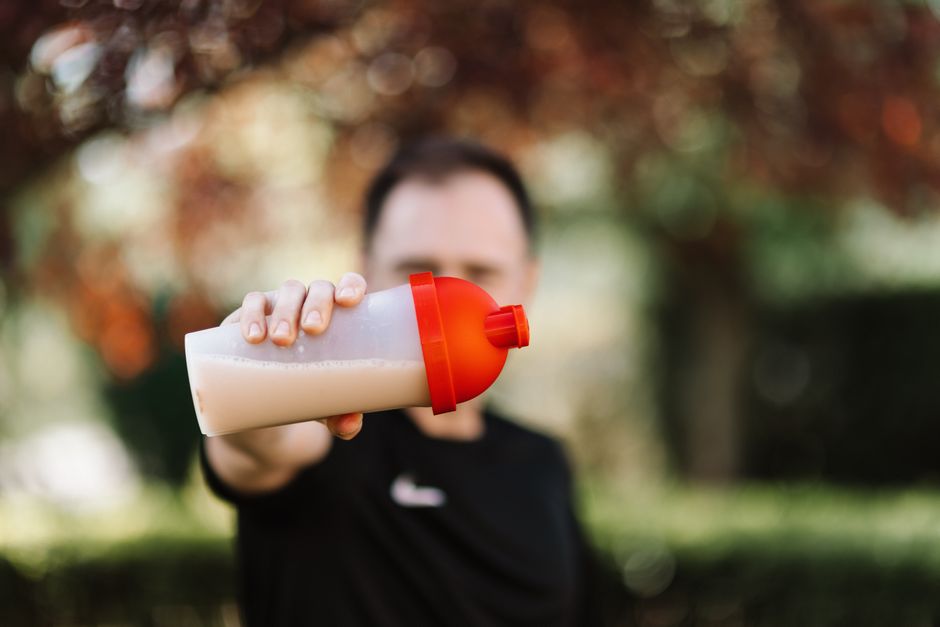
Whey protein is a popular supplement for building muscle and recovering from workouts. But some people notice more pimples after they start taking it. The short answer is yes, whey protein can contribute to acne in some people, though it is not the direct cause for everyone. The link comes down to how whey protein affects your hormones and insulin levels, which can increase oil production in your skin.
What Is the Link Between Whey Protein and Acne?
Whey protein comes from milk. It is a byproduct of cheese production. When you digest whey, it raises your blood levels of certain amino acids. These amino acids can trigger your body to release more insulin and a hormone called insulin-like growth factor 1, often shortened to IGF-1.
Higher insulin and IGF-1 levels can tell your skin to produce more sebum. Sebum is the oily substance that can clog pores. When pores clog, bacteria can grow, and pimples form. This is the main biological pathway that connects whey protein to acne.
This does not mean everyone who takes whey will break out. Some people have skin that is more sensitive to these hormonal shifts. Others can drink whey daily and never see a single pimple.
Does Dairy Itself Cause Breakouts?
Whey is a dairy product, and dairy has its own research linking it to acne. Studies have consistently found a connection between drinking milk and having more acne, especially in teenagers and young adults. The evidence is strongest for skim milk, though the reasons are not fully clear.
Whey protein may be more likely to cause breakouts than other dairy products because it is concentrated. A single scoop of whey powder contains a large amount of protein from a large volume of milk. This concentrated dose may produce a stronger hormonal response than drinking a glass of milk.
Some research suggests that whey protein specifically may worsen acne in people who already have a history of breakouts. The evidence here is more limited, but the pattern makes biological sense given what we know about dairy and hormones.
Isolate vs. Concentrate: Does It Matter?
Whey comes in two main forms: concentrate and isolate. Whey isolate goes through extra processing to remove more fat and lactose. Whey concentrate has more of the natural components of milk.
Some people assume that whey isolate is less likely to cause acne because it has less lactose and fat. But there is no solid evidence that one form is better for your skin than the other. Both forms can raise insulin and IGF-1 levels.
The extra processing in isolate removes some compounds, but the core protein structure remains the same. If you are prone to whey-related breakouts, switching from concentrate to isolate may or may not help. It is worth trying if you want to keep using whey, but do not expect a guaranteed fix.


How Long After Taking Whey Do Pimples Appear?
There is no fixed timeline for when whey-related breakouts appear. Acne develops over weeks, not hours. The process of a pore clogging and becoming inflamed takes time.
Some people report new pimples within a week or two of starting whey. Others notice breakouts after a month of daily use. The timing depends on your skin sensitivity, your dose, and your overall diet.
If you suspect whey is causing your breakouts, stop taking it for three to four weeks. This gives your skin enough time to show improvement if whey was the trigger. If your skin clears up, then returns when you restart whey, the connection is likely real for you.
What Else Could Be Causing Your Pimples?
Whey protein is not the only possible cause of new breakouts. Many people start taking whey at the same time they start a new workout routine. Exercise itself can affect your skin, and so can the post-workout shower habits you develop.
Other common acne triggers include:
- Sugar and refined carbohydrates in your diet
- High-glycemic foods that spike blood sugar
- Stress and poor sleep
- Certain skincare products that clog pores
- Hormonal changes unrelated to diet
If you start whey protein and a new pre-workout supplement at the same time, you cannot be sure which one is causing the problem. Change one thing at a time so you can identify the real trigger.
Should You Stop Taking Whey Protein?
If whey protein is causing your breakouts, stopping it is the most direct solution. Your skin should gradually improve over several weeks after you stop. You do not need to replace it with another supplement unless you are struggling to meet your protein needs through food.
Whole food protein sources do not appear to have the same acne link. Eggs, chicken, fish, beans, and tofu provide protein without the concentrated dairy effect. If you want to maintain muscle while avoiding whey, these are reliable alternatives.
Some people find that reducing their whey dose helps. Instead of two scoops per day, try one scoop. Or take whey only on training days rather than every day. This approach has no clinical research behind it, but it is a reasonable experiment for someone who wants to keep using whey.
Does Collagen or Plant Protein Cause Acne?
Plant-based protein powders like pea, rice, or soy protein do not have the same hormonal effects as whey. They do not raise IGF-1 levels the same way. There is no evidence linking plant proteins to acne.
Collagen protein is different. Collagen is also a dairy-free option, but it has its own amino acid profile. Some research suggests collagen may have anti-inflammatory effects, but there is no solid evidence that it causes or prevents acne. If you switch from whey to collagen, watch your skin for a few weeks to see how it responds.
Plant proteins are the safest choice if you want a supplement that is unlikely to cause breakouts. They mix well in smoothies and provide complete protein when you combine different sources.
How to Clear Your Skin After Whey-Related Breakouts
If you have already developed pimples from whey, the first step is to stop the cause. Continuing to take whey while treating the pimples will likely keep the cycle going.
Use a gentle cleanser twice a day. Look for products with salicylic acid or benzoyl peroxide, which are proven acne treatments available without a prescription. These ingredients help unclog pores and reduce bacteria on the skin.
Give your skin time. Acne treatment takes at least four to six weeks to show visible results. Do not expect overnight improvement. If your breakouts are severe or painful, see a dermatologist. Prescription treatments are often more effective than anything you can buy over the counter.
Frequently Asked Questions
Can whey protein cause pimples if I never had acne before?
Yes, it is possible. Whey can raise insulin and IGF-1 levels, which may increase oil production even in skin that was previously clear. This is more likely if you have a family history of acne or hormonal sensitivity.
How long after stopping whey protein will my skin clear?
Most people see improvement within three to four weeks after stopping whey. Full clearing can take up to six weeks, depending on how deep the breakouts are and how your skin heals.
Is whey isolate less likely to cause acne than whey concentrate?
There is no evidence that one form is safer for your skin. Both whey isolate and concentrate can affect your hormones the same way. If you want to avoid the dairy effect entirely, choose a plant-based protein instead.
