
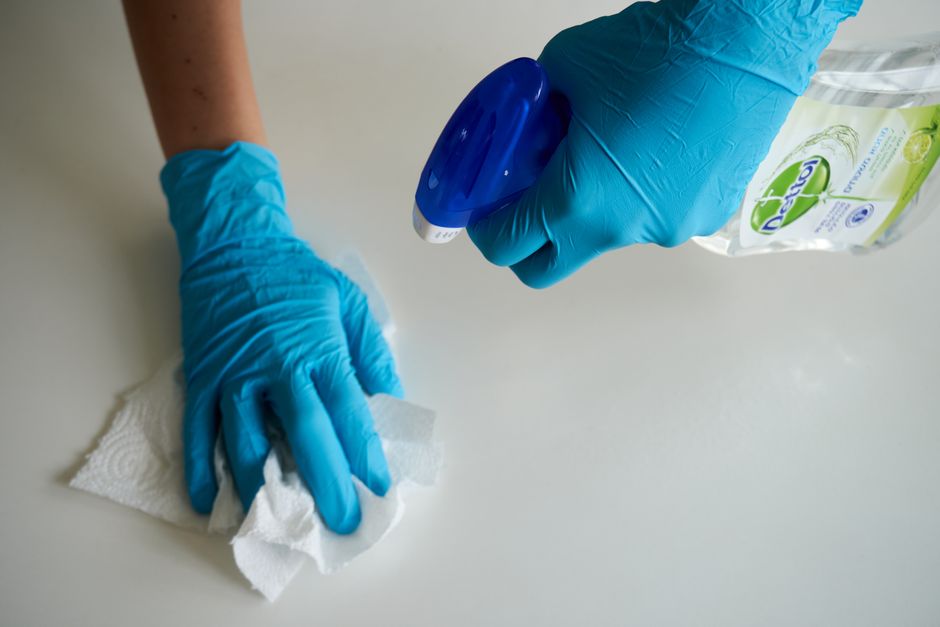
Vinegar can kill many types of bacteria, but it is not a registered disinfectant and does not work on everything. Its main active ingredient, acetic acid, disrupts bacterial cell membranes, which causes the bacteria to die. However, vinegar is far less reliable than commercial disinfectants, especially against dangerous pathogens like Salmonella and Staphylococcus aureus. It has a place in everyday cleaning, but it should not replace proven disinfectants where food safety or infection control truly matters.
How Does Vinegar Kill Bacteria?
Vinegar works through acidity. The acetic acid in vinegar lowers the pH of its environment. Most bacteria prefer a neutral pH, close to 7. When they are exposed to a highly acidic solution, the acid penetrates the bacterial cell wall and disrupts its internal chemistry.
This damage makes the cell unable to function. The internal pH drops, enzymes stop working, and the cell dies. This mechanism is well established in microbiology. Acetic acid has been used as a preservative for thousands of years for exactly this reason.
The strength of the vinegar matters. Standard household white vinegar contains about 5% acetic acid. This concentration is enough to inhibit or kill some bacteria, but it is not equally effective against all strains. Higher concentrations of acetic acid, such as 10% or 20% solutions, are more effective, but these are not the vinegar you buy for salad dressing.
What Bacteria Does Vinegar Kill?
Research shows vinegar can kill E. coli, Listeria monocytogenes, and Salmonella under certain conditions. These are common causes of foodborne illness. Some studies have found that vinegar solutions can reduce these bacteria on fresh produce and cutting boards.
However, the effectiveness depends heavily on time and temperature. A quick wipe with vinegar will not reliably kill bacteria. Studies typically show that vinegar needs several minutes of contact time to work. Some research suggests that heating vinegar improves its antibacterial effect.
Vinegar is less effective against Staphylococcus aureus, a common cause of skin infections and food poisoning. It shows some activity against this bacterium, but not as much as against E. coli or Salmonella. Pseudomonas aeruginosa, a bacterium that can cause infections in wounds, is also relatively resistant to vinegar.
Can Vinegar Disinfect Surfaces in Your Home?
Vinegar can be a useful household cleaner. It removes dirt, grime, and some bacteria from surfaces. But cleaning is not the same as disinfecting.
Cleaning physically removes germs and dirt. Disinfecting kills germs on the surface. The U.S. Environmental Protection Agency regulates disinfectants. Vinegar is not registered with the EPA as a disinfectant. This means no government agency has verified its effectiveness under real-world conditions.
Some research indicates that vinegar can reduce bacterial counts on household surfaces. One study found that undiluted vinegar reduced E. coli on kitchen surfaces within minutes. But the same research showed that vinegar was less effective than commercial disinfectants containing bleach or quaternary ammonium compounds.
If you choose to use vinegar for cleaning, use it correctly. Do not dilute it further. Apply it to the surface and let it sit for at least 10 to 15 minutes. Then rinse or wipe the surface clean. Even with this approach, vinegar should not be your first choice for surfaces that come into contact with raw meat, poultry, or eggs.


Is Vinegar Effective for Washing Fruits and Vegetables?
Many people soak produce in vinegar hoping to remove bacteria and pesticides. The evidence here is mixed.
Some studies show that washing produce with a vinegar solution reduces bacterial contamination. A 5% vinegar solution can lower levels of Salmonella and E. coli on produce. However, it does not eliminate them completely.
Plain running water is the standard recommendation from food safety authorities. Rubbing produce under running water removes dirt and a significant amount of surface bacteria. It also removes pesticide residues. No wash solution, including vinegar, has been proven to remove all pesticide residue.
Soaking produce in vinegar may cause issues. Vinegar can damage the cell walls of some fruits and vegetables. This makes them absorb more vinegar, which changes their taste. It can also make leafy greens wilt. If you use vinegar on produce, use a dilute solution and rinse thoroughly afterward.
Can Vinegar Treat Bacterial Infections on the Skin?
Vinegar has a long history as a folk remedy for skin infections. Some evidence supports this use, but it is limited.
Diluted vinegar soaks are sometimes used for minor skin conditions. Some clinicians recommend vinegar soaks for Pseudomonas infections in toenails or for mild cases of athlete’s foot. This is common clinical practice, but large controlled trials have not confirmed its effectiveness.
Do not use vinegar on open wounds. Vinegar can damage healthy tissue and delay healing. It also stings significantly when applied to broken skin. There is no evidence that vinegar is an effective treatment for infected wounds.
Vinegar is not a treatment for internal bacterial infections. Drinking vinegar will not cure a urinary tract infection or strep throat. No clinical evidence supports this use. If you suspect a bacterial infection, see a healthcare provider. Antibiotics are the established treatment for serious bacterial infections.
Vinegar vs. Commercial Disinfectants
Commercial disinfectants are held to a higher standard than vinegar. Products registered with the EPA must prove they kill specific bacteria under specific conditions. They are tested in laboratories with controlled contact times and organic load conditions.
Vinegar has no such testing requirement. Its effectiveness varies by brand, batch, and storage conditions. The acetic acid concentration in household vinegar can range from 4% to 8%, depending on the product. This variability makes it difficult to predict how well any given bottle will perform.
For everyday cleaning of non-food surfaces, vinegar is an acceptable choice. It is cheap, non-toxic, and environmentally friendly. For disinfection of high-risk areas, use an EPA-registered disinfectant. This includes kitchen counters where raw meat was prepared, bathroom surfaces, and any area touched by someone who is sick.
Bleach and hydrogen peroxide are more reliable disinfectants than vinegar. They are proven to kill a wider range of bacteria and viruses. They also work faster than vinegar. If you are cleaning up after raw meat or bodily fluids, reach for a proven disinfectant.
Can Vinegar Kill Bacteria in Food Preservation?
Vinegar is a legitimate food preservative. Pickling relies on acetic acid to prevent bacterial growth. The acidity of pickling solutions creates an environment where harmful bacteria cannot survive.
This is why pickled foods have a long shelf life. The pH of properly pickled foods is below 4.6. At this acidity, Clostridium botulinum, the bacterium that causes botulism, cannot grow. This is a well-established food safety principle.
However, not all bacteria are equally sensitive to acid. Some bacteria thrive in acidic environments. Lactobacillus species, which ferment vegetables into sauerkraut and kimchi, are acid-tolerant. Vinegar will not kill these beneficial bacteria.
Do not rely on vinegar to make unsafe food safe. Adding vinegar to spoiled meat or old leftovers will not kill all the bacteria present. Some bacteria produce toxins that survive even when the bacteria themselves are killed. Vinegar cannot neutralize these toxins.
Is Vinegar Safe to Use as a Cleaner?
Vinegar is generally safe for household use. It is non-toxic and does not release harmful fumes. This makes it appealing to people who want to avoid harsh chemicals.
But vinegar is not safe for all surfaces. Its acidity can damage natural stone like marble and granite. It can also eat away at the finish on wood floors and furniture. Vinegar can corrode metal, especially aluminum and copper. Do not use vinegar on these surfaces.
Never mix vinegar with bleach. This combination produces chlorine gas, which is toxic and can cause severe respiratory damage. Never mix vinegar with hydrogen peroxide either. This creates peracetic acid, which is corrosive and can irritate the skin and eyes.
Use vinegar in a well-ventilated area. While vinegar fumes are not toxic, they can irritate the eyes and respiratory tract in concentrated amounts. This is especially true for people with asthma or sensitive airways.
Frequently Asked Questions
Does vinegar kill bacteria in 30 seconds?
No. Vinegar requires several minutes of contact time to kill bacteria effectively. Most studies show that 10 to 15 minutes of exposure is needed for meaningful bacterial reduction.
Is vinegar a disinfectant?
No. Vinegar is a cleaner, not a registered disinfectant. It has some antibacterial properties, but it has not been tested or approved by regulatory agencies for disinfection purposes.
Can I use vinegar to clean my cutting board?
Yes, but only as a cleaner, not as a disinfectant. For cutting boards used with raw meat, use a commercial disinfectant or a dilute bleach solution instead to ensure proper sanitation.
Does vinegar kill bacteria in the mouth?
Vinegar has some antibacterial properties, but it is not a mouthwash substitute. No clinical evidence confirms that vinegar effectively treats oral infections, and its acidity can damage tooth enamel.
