
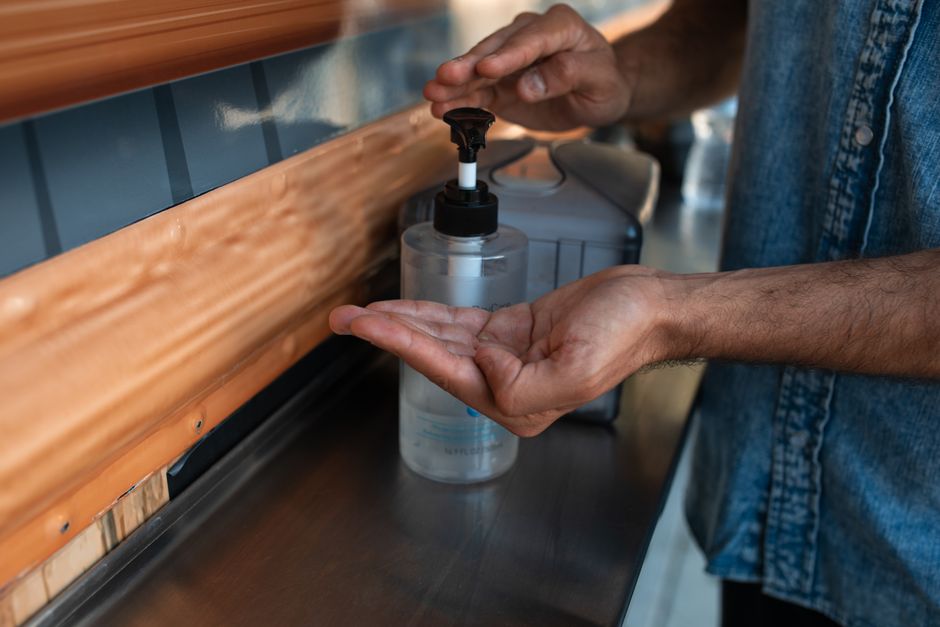
Rubbing alcohol can kill strep bacteria on surfaces, but it is not a treatment for a strep infection in your body. Isopropyl alcohol, the active ingredient in most rubbing alcohol, disrupts the outer membrane of bacteria, which causes the cells to break apart and die. However, using it on your skin or in your mouth will not cure strep throat and can cause serious tissue damage.
Does Rubbing Alcohol Kill Strep Bacteria on Surfaces?
Yes. Rubbing alcohol is an effective disinfectant against many bacteria, including Streptococcus.
The alcohol works by denaturing proteins and breaking down the cell membrane. This process is fast and reliable when the alcohol concentration is correct. Most rubbing alcohol sold in stores is either 70% or 91% isopropyl alcohol. Both concentrations kill strep bacteria on hard, non-porous surfaces like countertops, doorknobs, and phones.
The 70% concentration actually kills bacteria more slowly than the higher concentrations, but it is often more effective overall. The water in the 70% solution helps the alcohol penetrate the bacterial cell wall more easily. The higher concentration evaporates too quickly, which gives the alcohol less time to work.
For surface disinfection, the surface should be visibly clean first. Dirt and organic matter can shield bacteria from the alcohol. Wipe the surface with soap and water first if it is visibly dirty, then apply the rubbing alcohol and let it air dry.
Can Rubbing Alcohol Cure Strep Throat?
No. Rubbing alcohol cannot cure strep throat, and you should never swallow it or gargle with it.
Strep throat is an infection of the throat and tonsils caused by group A Streptococcus bacteria. The bacteria live in the tissue of your throat, not on the surface where alcohol can reach them effectively. Swishing or gargling alcohol will not penetrate the infected tissue enough to kill the bacteria.
More importantly, isopropyl alcohol is toxic. Swallowing even a small amount can cause poisoning. Symptoms of isopropyl alcohol poisoning include dizziness, nausea, vomiting, low blood pressure, and in severe cases, coma or respiratory failure. Gargling with rubbing alcohol can also cause chemical burns to the mouth, throat, and esophagus.
If you suspect you have strep throat, see a healthcare provider. A simple throat swab can confirm the diagnosis, and antibiotics are the only proven treatment that kills the bacteria in your body.
Does Rubbing Alcohol Kill Strep on Your Skin?
Rubbing alcohol can kill strep bacteria on your skin, but it is not the right tool for treating a skin infection.
Alcohol-based hand sanitizers and rubbing alcohol are effective at reducing bacteria on the hands. This is why alcohol-based sanitizers are common in healthcare settings. They work quickly against most bacteria, including Streptococcus species.
However, if you have an active skin infection caused by strep bacteria, such as impetigo or cellulitis, rubbing alcohol is not a treatment. It may kill bacteria on the surface of the skin, but it cannot penetrate deep enough to treat an established infection. It also damages healthy skin tissue and delays healing.
Skin infections need proper medical evaluation. Some strep skin infections require oral or topical antibiotics prescribed by a doctor. Using rubbing alcohol on broken skin is painful and can slow the healing process by damaging new skin cells.


What Concentration of Rubbing Alcohol Kills Strep?
Both 70% and 91% isopropyl alcohol kill strep bacteria on surfaces. The 70% concentration is generally preferred for disinfection.
The Centers for Disease Control and Prevention recommends alcohol solutions with at least 60% alcohol for hand sanitizers. For surface disinfection, the same general range applies. Concentrations between 60% and 90% are effective against most bacteria.
Concentrations below 50% are not reliable. They do not disrupt the bacterial cell membrane quickly enough to guarantee death. Concentrations above 91% are less effective on surfaces because they evaporate too fast. The alcohol does not stay in contact with the bacteria long enough to work completely.
If you are using rubbing alcohol to disinfect a surface that might have strep bacteria, check the label. It should list isopropyl alcohol as the active ingredient. The percentage should be clearly marked.
Is Rubbing Alcohol Better Than Soap and Water for Strep?
For hand hygiene, soap and water and alcohol-based sanitizers both work, but they work differently.
Soap and water physically remove bacteria from your skin. The soap lifts the bacteria and the water rinses them away. This is why handwashing is so effective. It does not necessarily kill the bacteria, but it removes them from your hands entirely.
Alcohol-based sanitizers kill bacteria on contact. They do not remove dirt or organic matter. If your hands are visibly dirty or greasy, handwashing is better. The dirt can protect bacteria from the alcohol.
For surface disinfection, alcohol is a reasonable choice for hard surfaces. Bleach solutions and EPA-registered disinfectants are also effective. The key is to use the product correctly and allow enough contact time. For alcohol, the surface should stay wet for at least 30 seconds to ensure the bacteria are killed.
What Are the Risks of Using Rubbing Alcohol on Strep?
The main risks come from using rubbing alcohol on or inside the body.
Ingestion: Swallowing rubbing alcohol is dangerous. It can cause alcohol poisoning, which requires immediate medical attention. Never drink it, and never let children access it.
Gargling: Gargling with rubbing alcohol can cause chemical burns. The tissue in your mouth and throat is delicate. The alcohol damages the cells directly, causing pain, swelling, and potential long-term tissue damage.
Open wounds: Applying rubbing alcohol to open wounds is painful and can damage healthy tissue. It may kill some bacteria on the surface, but it also kills the cells your body needs to heal the wound. This can slow healing and increase the risk of complications.
Skin irritation: Frequent use of rubbing alcohol on the skin can cause dryness, irritation, and cracking. This is especially true for people with sensitive skin or conditions like eczema.
Rubbing alcohol is a household disinfectant. It is not a medicine. It has no role in treating infections inside the body.
What Should You Do If You Think You Have Strep?
See a healthcare provider for a proper diagnosis. Strep throat and other strep infections require medical evaluation.
Strep throat symptoms include a sudden sore throat, pain when swallowing, fever, red and swollen tonsils, and sometimes white patches on the tonsils. You may also have swollen lymph nodes in your neck. You can have strep without a cough or runny nose, which helps distinguish it from a viral cold.
A rapid strep test or throat culture can confirm the diagnosis. If the test is positive, your doctor will likely prescribe antibiotics. Antibiotics shorten the illness, reduce symptoms, and prevent serious complications like rheumatic fever.
Until you see a doctor, you can manage symptoms with over-the-counter pain relievers like acetaminophen or ibuprofen. Drink plenty of fluids and rest. Warm salt water gargles can soothe a sore throat. These measures do not cure the infection, but they can make you more comfortable while you wait for medical care.
Frequently Asked Questions
Can you gargle rubbing alcohol to kill strep throat?
No. Gargling rubbing alcohol is dangerous and can cause chemical burns to your mouth and throat. It will not cure a strep infection, and swallowing any amount can cause alcohol poisoning.
What kills strep bacteria on surfaces?
Rubbing alcohol with at least 60% isopropyl alcohol kills strep bacteria on hard surfaces. Bleach solutions and EPA-registered disinfectants also work when used according to the label instructions.
Does hand sanitizer kill strep bacteria?
Yes, alcohol-based hand sanitizers with at least 60% alcohol kill strep bacteria on your hands. They are not effective when hands are visibly dirty, and they do not treat active infections.
How long does it take rubbing alcohol to kill bacteria?
Rubbing alcohol kills most bacteria on surfaces within 30 seconds to a few minutes. The surface must stay wet with the alcohol for the full contact time to ensure the bacteria are killed.
