
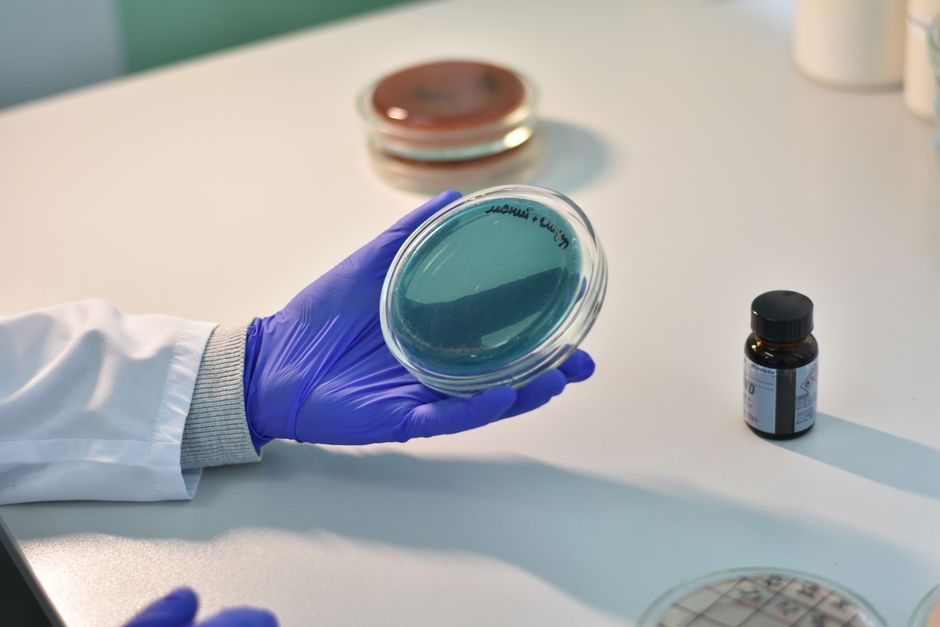
Yes, UV light can kill bacteria in water. Ultraviolet water treatment systems use UV-C light at a specific wavelength to damage the DNA of bacteria, viruses, and other microorganisms. This damage stops them from reproducing and makes them harmless. It is a proven, chemical-free method used in homes and by municipalities, but it works best on clear water and does not remove chemicals or physical particles.
How Does UV Light Actually Kill Bacteria?
UV light kills bacteria by damaging their genetic material. The UV-C wavelength, specifically around 254 nanometers, is absorbed by the DNA and RNA inside a microorganism. This absorption creates a reaction that links adjacent thymine bases together, which distorts the DNA structure.
Once the DNA is damaged, the bacteria cannot replicate. An organism that cannot reproduce cannot cause infection. This is why UV disinfection is considered a physical process rather than a chemical one. It does not introduce anything into the water. It simply alters the genetic code of the organism.
This mechanism is well established in microbiology. The effect is rapid, usually taking seconds of exposure. The key factor is that the organism must be exposed to the light directly. If bacteria are hidden inside a particle of dirt or shielded by turbidity, the UV light will not reach them.
Does UV Treatment Remove All Harmful Microorganisms?
UV light is highly effective against most bacteria and viruses. Research consistently shows that UV disinfection inactivates a wide range of pathogens including E. coli, Salmonella, and Giardia. It is also effective against Cryptosporidium, which is resistant to chlorine-based disinfection.
However, it is not a universal solution. Some organisms are more resistant to UV light than others. Certain bacterial spores and some viruses require a higher UV dose to be inactivated. Adenoviruses, for example, are more resistant to UV than many other waterborne viruses.
The term “kill” is also not entirely accurate. UV light does not kill the bacteria in the way heat or bleach does. It inactivates them. The cell wall remains intact. The organism is alive but unable to reproduce. In the medical and water treatment community, this is called inactivation. For practical purposes, an inactivated pathogen is harmless because it cannot multiply to cause illness.
What Are the Limitations of UV Water Purification?
UV light has specific weaknesses that matter for home use. The most important limitation is water clarity. If the water is cloudy, contains sediment, or has high levels of iron or manganese, the UV light cannot penetrate effectively. The water must be pre-filtered to remove these particles before it enters the UV chamber.
UV light does not remove anything from the water. It does not remove heavy metals, pesticides, chlorine, or other chemical contaminants. It only addresses living microorganisms. If your water has chemical contamination, you need a different type of filter, such as activated carbon or reverse osmosis.
Another limitation is the lack of residual protection. Chlorine leaves a residual effect in the water that continues to kill bacteria as it travels through pipes. UV light does not do this. Once the water passes the UV lamp, there is no ongoing protection. If bacteria enter the water after the UV stage, they will not be inactivated.
UV lamps also require maintenance. The quartz sleeve that protects the lamp must stay clean. The lamp itself loses intensity over time and needs replacement, typically after about 9,000 hours of use. A UV system without proper maintenance is a false sense of security.



How Is UV Water Treatment Used in Practice?
Home UV systems are point-of-entry units. They treat all the water coming into the house. The water flows through a chamber where it is exposed to the UV lamp. The flow rate must be matched to the system’s capacity. If water flows too quickly, it does not get enough UV dose.
Municipal water treatment plants use UV on a much larger scale. Many cities use UV as a final disinfection step after filtration. It is also used in food and beverage processing, pharmaceutical manufacturing, and aquaculture.
For a home system to work correctly, it needs a pre-filter. A 5-micron sediment filter is typically recommended before the UV chamber. This removes particles that would shield bacteria from the light. Some systems also include a carbon filter for taste and odor, but this should be placed before the UV unit, not after.
If you have well water, UV is a common and effective choice. Well water is not treated by a municipality, so it can contain bacteria from surface runoff or animal waste. UV systems are widely recommended by health departments for private wells that test positive for coliform bacteria.
Is UV Light Safe for Drinking Water?
UV-treated water is safe to drink. The UV light does not remain in the water. There is no chemical residue and no change to the taste, odor, or pH of the water. The process does not create harmful byproducts, which is a known issue with chlorine disinfection.
The main safety concern is not the water but the equipment itself. UV-C light is dangerous to eyes and skin. The lamp must never be viewed while it is on. Modern systems have safety switches that shut off the lamp if the chamber is opened. You should never operate a UV system with the chamber exposed.
Another safety consideration is the electrical component. UV systems are connected to your plumbing and your electrical supply. Installation should be done by a qualified professional or according to the manufacturer’s instructions. A properly installed system poses no health risk to the household.
UV vs. Other Water Disinfection Methods
Each disinfection method has a different profile of strengths and weaknesses. Choosing the right one depends on your water source and what contaminants you are dealing with.
| Method | What It Removes | Key Limitation |
|---|---|---|
| UV Light | Bacteria, viruses, protozoa | Requires clear water, no residual effect |
| Chlorine | Bacteria, viruses | Less effective against Cryptosporidium, creates byproducts |
| Boiling | Bacteria, viruses, protozoa | Energy-intensive, only treats small batches |
| Reverse Osmosis | Chemicals, heavy metals, microorganisms | Wastes water, slower flow rate |
| Ceramic Filtration | Bacteria, protozoa | Does not remove viruses |
Boiling is the most reliable emergency method. It kills everything when the water is held at a rolling boil for one minute. But it is not practical for daily household use. UV offers a continuous, automated solution that requires no daily effort.
Chlorine has been the standard for over a century. It is cheap and effective. But it reacts with organic matter to form disinfection byproducts such as trihalomethanes, which have been linked to health risks. UV avoids this issue entirely.
Reverse osmosis is excellent for chemical removal but it also removes beneficial minerals. It is slower and more expensive to maintain. Many households use a combination approach: sediment filtration, carbon filtration, and UV disinfection together.
How Do You Know If UV Treatment Is Working?
You cannot see, taste, or smell whether UV light has inactivated bacteria. The only way to know is to test your water. For well water, annual testing for coliform bacteria is the standard recommendation. After installing a UV system, you should test the water to confirm it is working.
Most UV systems have a sensor or alarm that indicates when the lamp is functioning. You should check this regularly. If the alarm sounds or the display indicates a problem, the water should not be consumed until the system is serviced.
Keep a log of lamp replacements. A UV lamp loses effectiveness gradually. You cannot tell by looking at it. Replacing the lamp on schedule is the only way to ensure ongoing protection.
If your water tests positive for bacteria after UV treatment, something is wrong. The system may be undersized, the water may be too cloudy, or the lamp may be failing. Do not assume the water is safe just because the system is installed.
Frequently Asked Questions
Can UV light kill bacteria in water instantly?
UV light inactivates bacteria within seconds of exposure. The exact time depends on the intensity of the lamp and the flow rate of the water.
Does UV light remove chemicals from water?
No, UV light only inactivates microorganisms. It does not remove chemicals, heavy metals, or dissolved minerals.
Is UV-treated water safe to drink every day?
Yes, UV-treated water is safe for daily drinking. The process adds nothing to the water and leaves no residue.
Why does my UV system need a pre-filter?
A pre-filter removes particles that can block UV light from reaching bacteria. Turbid water reduces the effectiveness of UV disinfection.
