
Eating a lot of protein does not directly cause kidney stones in most people. What it can do is raise the odds, mainly by increasing how much acid and calcium your kidneys have to handle. Whether that turns into a stone depends on fluid intake, genetics, and the rest of your diet.
Kidney stones form when urine becomes concentrated enough that dissolved minerals and salts start to crystallize. Protein influences several of the forces behind that process. The relationship is real, but it is a risk modifier rather than a single cause.
How Does Protein Affect Kidney Stone Risk?
Protein from animal sources raises the acid load your kidneys must clear. To buffer that acid, the body draws on calcium, and the kidneys end up excreting more of it in urine. More calcium in urine is one of the well-established risk factors for calcium-based stones, which are the most common type.
There is a second effect. High protein intake can lower urinary citrate, a natural inhibitor that helps keep calcium from crystallizing. Less citrate means less protection. And a diet heavy in animal protein tends to reduce urine volume if it displaces fluids or plant foods that carry water and fiber.
This is why researchers generally frame protein as a contributing factor rather than a cause. A person eating large amounts of meat but drinking plenty of water and eating vegetables may never form a stone. Someone with a family history of stones and low fluid intake may run into trouble at a much lower protein level.
Which Type of Protein Matters Most?
Animal protein appears to carry more stone risk than plant protein. The acid load and the calcium excretion effect are tied mainly to meat, poultry, and seafood. Dairy is a partial exception, and the reason is not intuitive.
Dairy protein does not seem to raise stone risk the way meat does. Calcium eaten with food actually binds to oxalate in the gut, so less oxalate gets absorbed and less reaches the urine. That is one reason dietary calcium is generally protective, while calcium supplements taken away from food behave differently.
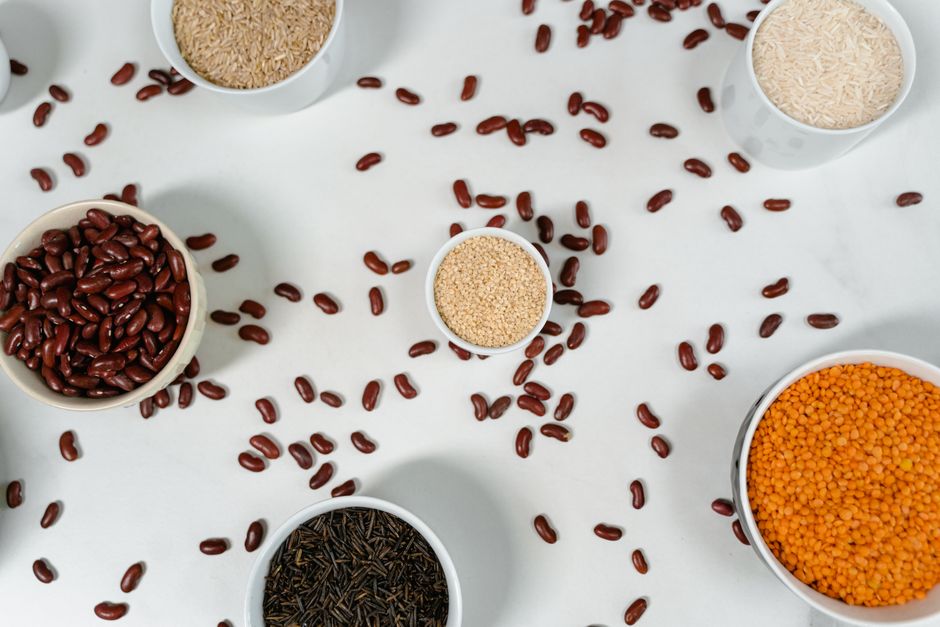
Plant proteins from beans, lentils, and nuts come with fiber, magnesium, and potassium, which are associated with lower stone risk in observational studies. The evidence here is not from large randomized trials, so it supports a direction rather than a guarantee.
- Meat, poultry, seafood: raise acid load and urinary calcium
- Dairy: binds oxalate in the gut; dietary calcium is generally protective
- Plant protein: associated with lower risk in observational research
What Really Causes Kidney Stones?
Stones form when urine is supersaturated with the minerals and salts that make them up, and when the inhibitors that normally prevent crystallization are overwhelmed. Several forces push in that direction at once, which is why no single food explains a stone.
The most important driver is low urine volume. When you do not drink enough, urine becomes concentrated, and every dissolved substance in it sits closer to the point of crystallizing. This is why fluid intake is the single most consistent factor across stone types.
Other well-established contributors include:
- Dehydration from low fluid intake, heat, or heavy sweating
- Genetics and family history of stones
- High sodium intake, which raises urinary calcium
- High oxalate intake combined with low calcium intake
- Obesity and insulin resistance, linked to lower urine pH
- Certain medical conditions such as gout, hyperparathyroidism, and recurrent urinary tract infections
- Some medications, including certain diuretics and calcium-based antacids
Protein sits on this list as a modifier, not the headline. A person with a strong genetic predisposition may form stones regardless of diet, while someone without that predisposition may eat a high-protein diet for years without a problem.


Does High Protein Alone Cause Stones in Healthy People?
For most healthy adults with normal kidney function, a higher-protein diet on its own does not appear to cause kidney stones. The evidence points to protein as a risk factor that matters most when it stacks on top of other risks, such as dehydration or a personal history of stones.
That distinction matters because high-protein diets are widely used for weight loss and muscle building, and many people following them do not develop stones. The concern is not that protein is dangerous. The concern is that a high-protein diet can quietly reduce urine volume and raise urinary calcium at the same time, and those effects are easy to miss until a stone forms.
The honest position is that the evidence linking protein intake to stone formation in otherwise healthy people is inconsistent. Some studies show a relationship; others do not. What is consistent is that fluid intake, sodium, and calcium intake all matter, and protein interacts with each of them.
Who Should Pay More Attention to Protein Intake?
People who have already formed a stone should pay closer attention, because recurrence is common and diet is one of the few things they can influence. A history of calcium oxalate stones, in particular, makes the calcium and oxalate balance worth watching.
Others at higher baseline risk include people with a family history of stones, those with gout or certain metabolic conditions, and anyone who works or exercises in heat with limited access to fluids. For these groups, moderating animal protein is a reasonable conversation to have with a clinician, though the strength of the evidence varies by individual.
Anyone with reduced kidney function should discuss protein intake with their doctor rather than adjusting it on their own. In that setting, protein recommendations are individualized and depend on the specific condition.
How Can You Lower Your Risk?
Drinking enough fluid is the most reliable step, because it directly lowers urine concentration. For people who form stones, clinicians commonly advise aiming for enough fluid to produce pale, plentiful urine throughout the day. The exact volume is individualized, so it is best set with a clinician rather than a fixed number.
Beyond fluid, the practical levers are well established:
- Keep sodium moderate. High sodium raises calcium in urine.
- Get calcium from food, not just supplements. Dietary calcium binds oxalate in the gut.
- Pair high-oxalate foods with calcium. This reduces oxalate absorption.
- Favor plant proteins more often. They carry less acid load than meat.
- Limit sugary drinks, which are associated with higher stone risk.
Cutting protein drastically is not the standard approach, and it is not necessary for most people. The goal is balance, not elimination. A diet that is high in animal protein, low in fluids, and high in sodium is the combination that tends to cause trouble, not protein by itself.
Can Too Much Protein Cause Kidney Stones?
Not on its own in most healthy people. Protein can raise the risk by increasing urinary calcium and acid load and by lowering citrate, but those effects usually need other factors, especially low fluid intake, to actually produce a stone.
If you have a history of stones or a strong family history, it is worth talking to a clinician about your protein intake rather than guessing. If you have no such history and drink enough fluids, a higher-protein diet is not the direct cause most people assume it is.
Frequently Asked Questions
Can too much protein cause kidney stones?
Protein can raise the risk of stones by increasing urinary calcium and acid load, but it rarely causes them on its own in healthy people. Other factors, especially low fluid intake, usually need to be present too.
Is animal protein worse than plant protein for kidney stones?
Animal protein from meat, poultry, and seafood tends to carry more stone risk because it raises acid load and urinary calcium. Plant proteins are associated with lower risk in observational studies, though this is not confirmed by large randomized trials.
Does dairy cause kidney stones?
No. Calcium from dairy eaten with food binds oxalate in the gut and is generally associated with lower stone risk, not higher. Calcium supplements taken away from food behave differently.
How much water should I drink to prevent kidney stones?
There is no single number that fits everyone, and clinicians usually individualize the target. The general aim is enough fluid to produce pale, plentiful urine throughout the day.
