
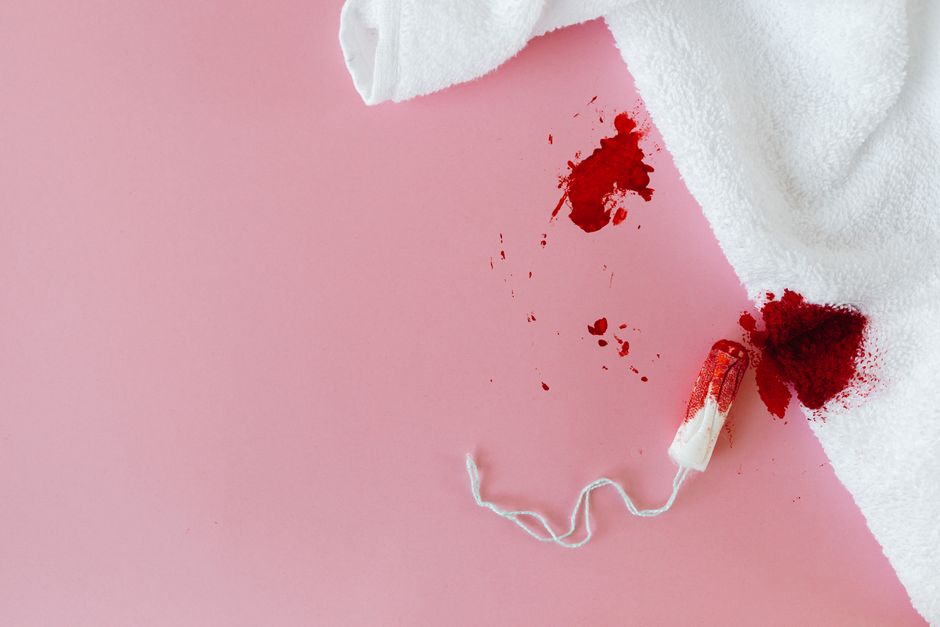
Yes, a yeast infection can sometimes cause blood, but it is not a typical symptom. The most common yeast infection, vulvovaginal candidiasis, usually causes itching, burning, and a thick white discharge — not bleeding. When blood does appear, it is usually a small amount mixed with discharge, from irritated or inflamed tissue, or from scratching. Blood that is heavier, persistent, or accompanied by pelvic pain is more often a sign of something else and deserves medical attention.
Understanding why blood sometimes shows up — and when it points to a different problem — helps you decide what to do next.
What Does a Yeast Infection Normally Look Like?
A yeast infection is caused by an overgrowth of Candida, most often Candida albicans. This fungus naturally lives in small amounts in the vagina, mouth, and digestive tract. When the balance of organisms shifts, Candida multiplies and triggers symptoms.
The classic signs of vulvovaginal candidiasis are well documented:
- Intense itching and irritation of the vulva and vagina
- A thick, white, cottage-cheese-like discharge (usually odorless)
- Burning, especially during urination or sex
- Redness and swelling of the vulva
Notice what is not on that list: bleeding. Blood is not a hallmark of an uncomplicated yeast infection. The tissues are inflamed, but inflammation alone does not usually produce visible blood.
Can There Be Blood With a Yeast Infection?
Yes, it is possible — but the blood almost always comes from irritated tissue rather than from the infection itself. The most common explanations are minor and mechanical.
Scratching is a frequent culprit. The itch of a yeast infection can be intense, and scratching can break the surface of delicate vulvar skin, leaving small streaks of blood. Friction from tight clothing, toilet paper, or sex can do the same to inflamed tissue.
Some people notice a small amount of blood-tinged discharge when the vulva or vaginal opening is raw and swollen. This is typically light — a few spots or a faint pink tinge — not a flow.
It is also worth separating two things people often confuse. A yeast infection affects the vagina and vulva. It does not typically cause bleeding from inside the uterus. So if bleeding resembles a period — heavier flow, clots, or blood coming from higher up — that is a different signal and should not be attributed to yeast.
When Is Blood With a Yeast Infection a Reason to See a Doctor?
Light spotting from irritation is common and usually settles as the infection clears. Heavier or persistent bleeding is not a typical yeast infection symptom and should be checked.
Seek medical care if you notice:
- Bleeding that is heavy, bright red, or lasts more than a day or two
- Blood clots
- Bleeding between periods or after menopause
- Pelvic or lower abdominal pain
- Fever
- Foul-smelling discharge (yeast discharge is usually odorless)
- Symptoms that do not improve after treatment
Bleeding after menopause deserves particular attention. Any postmenopausal bleeding should be evaluated by a clinician, because it can signal conditions unrelated to infection. This is not a reason to panic, but it is a reason to get it looked at.
One clarification worth making: many people assume any vaginal bleeding means infection, or any infection means bleeding. Neither is true. Bleeding has a wide range of causes, and matching the cause to the symptom is exactly what a clinical exam is for.





What Else Can Cause Bleeding That Looks Like a Yeast Infection?
Several conditions share symptoms with yeast infections but behave differently — and some of them are more likely to cause bleeding. This is why persistent or unusual symptoms are worth investigating rather than self-treating indefinitely.
Bacterial vaginosis causes discharge, but it is typically thin and gray with a fishy odor, and it can sometimes cause light bleeding from inflamed tissue. Trichomoniasis, a sexually transmitted infection, can cause yellowish-green discharge, irritation, and occasionally spotting. Both can be mistaken for yeast at first glance.
Other causes of vaginal bleeding include:
- Dryness and thinning tissue after menopause (atrophic vaginitis), which can bleed easily
- Cervical or vaginal irritation from infection or friction
- Hormonal changes and irregular periods
- Polyps or other growths on the cervix or uterus
- More serious conditions, including cervical or uterine disease
Because these can overlap with yeast symptoms, a diagnosis based on symptoms alone is not always reliable. Research has found that many people who self-diagnose a yeast infection are actually wrong about what is causing their symptoms. That is a strong argument for testing when symptoms are unclear or recurrent.
How Is a Yeast Infection Diagnosed and Treated?
An uncomplicated yeast infection is often diagnosed from symptoms and a physical exam. When the picture is unclear, a clinician may take a sample of discharge and examine it under a microscope or culture it to confirm Candida.
Treatment for uncomplicated cases usually involves an antifungal — available as a cream, suppository, or oral medication. Many antifungal products are sold over the counter. Some clinicians recommend confirming the diagnosis before treating, especially if you have had recurrent infections, because treating the wrong condition wastes time and can delay the right care.
For bleeding specifically: if the blood is minor and clearly from surface irritation, treating the yeast infection is the main step, and the spotting usually resolves. If bleeding continues after the infection clears, that is the point to look for another cause. Antifungal treatment will not fix bleeding that is coming from something other than yeast.
No clinical guidelines recommend a specific treatment for yeast infections that cause bleeding, because bleeding is not a standard feature of the condition. The bleeding is managed by addressing whatever is causing it.
How Can You Reduce Irritation and Spotting?
Gentle care reduces the chance that inflamed tissue will bleed. These steps support comfort but are not a substitute for treatment.
- Avoid scratching — it breaks skin and can introduce bacteria
- Wear loose, breathable cotton underwear
- Skip scented soaps, douches, and vaginal sprays, which irritate tissue further
- Pat dry rather than rub after washing
- Avoid sex until symptoms settle, since friction worsens irritation
- Use a plain, unscented external wash only
These measures ease irritation. They do not cure an infection. If symptoms persist, the infection needs proper treatment.
The Bottom Line
Blood with a yeast infection is possible but uncommon, and it usually comes from irritated or scratched tissue rather than the infection itself. Light spotting that clears with treatment is generally not a concern. Heavier bleeding, bleeding after menopause, pelvic pain, or symptoms that do not improve are reasons to see a clinician — not because yeast infections are dangerous, but because those signs point to something that needs a proper diagnosis.
Frequently Asked Questions
Can a yeast infection cause bleeding like a period?
No. A yeast infection does not cause period-like bleeding. Any flow resembling a period, especially with clots or pelvic pain, should be evaluated by a clinician rather than attributed to yeast.
Why is there blood when I wipe with a yeast infection?
Small streaks of blood when wiping usually come from scratched or inflamed vulvar skin. If the bleeding continues or gets heavier, see a doctor to rule out other causes.
Can a yeast infection cause pink discharge?
Yes, a light pink tinge can occur when a small amount of blood mixes with normal discharge from irritated tissue. Persistent or heavier pink discharge warrants a check-up.
Does bleeding mean my yeast infection is severe?
Not necessarily. Minor spotting often reflects surface irritation rather than severity. However, bleeding along with pain, fever, or foul odor suggests another problem and should be assessed.
