
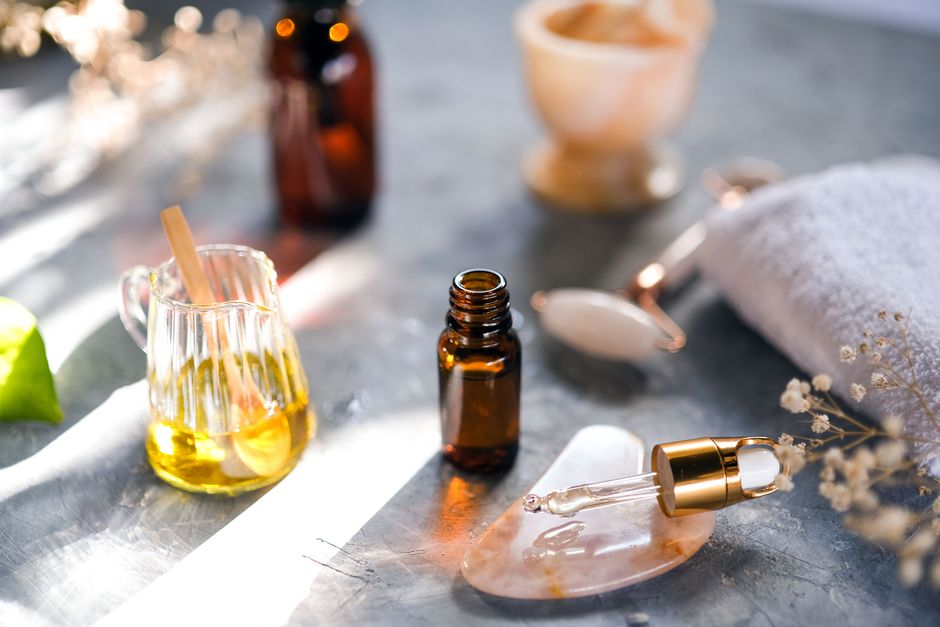
Essential oils are not a treatment for a bladder infection. If you have symptoms like burning when you urinate, a frequent urge to go, or pelvic pressure, the first step is to see a doctor — not to reach for a bottle of oil. A bladder infection that moves into the kidneys can become a serious medical emergency. Essential oils can be used only as a comfort measure alongside proper medical care, never as a replacement for it.
What Is a Bladder Infection and Why Does It Need Real Treatment?
A bladder infection is a bacterial infection, most often caused by Escherichia coli that travels from the skin or rectum into the urethra and up into the bladder. Once there, the bacteria multiply in the warm, nutrient-rich environment of your urinary tract. This is a genuine infection, not an irritation or a pH imbalance.
The standard treatment is antibiotics. This is not a case where “natural” alternatives are interchangeable with prescription medicine. An untreated bladder infection can spread upward to the kidneys — a condition called pyelonephritis — which can lead to bloodstream infection and hospitalization. In older adults, an untreated urinary infection can also cause confusion and falls.
So when we talk about using essential oils “for” a bladder infection, we are really talking about using them alongside medical treatment, for comfort or symptom support. That distinction matters more than any oil you might choose.
How To Use Essential Oils For A Bladder Infection Safely
There is no clinical guideline that recommends essential oils as a treatment for bladder infections. No large human trial has shown that any essential oil can clear a urinary tract infection. What follows is about safe use as a supportive measure — nothing here cures an infection.
If you and your doctor agree that adding a comfort measure is reasonable, the safest routes are:
- Aromatic use. Diffusing a small amount of oil in a room, or placing a drop on a cotton ball near you, is the lowest-risk way to use essential oils. It does not treat the infection, but some people find certain scents calming.
- Diluted topical use. A few drops of essential oil mixed into a carrier oil such as fractionated coconut or jojoba can be massaged into the lower abdomen or lower back. Never apply undiluted oil to skin.
- Warm compress. A cloth dampened with warm water and a drop or two of diluted oil can be held over the lower belly for comfort. Heat alone often helps with pelvic pressure.
What you should not do: do not swallow essential oils, do not insert them into the urethra or vagina, and do not apply them to sensitive genital tissue. These practices can cause chemical burns, irritation, and in the case of ingestion, serious poisoning.
Can Essential Oils Actually Fight the Bacteria?
Some laboratory studies have shown that certain essential oils — including oregano, thyme, and tea tree — can inhibit bacterial growth in a petri dish. That is a real finding, but it is also a long way from treating an infection inside a human body.
A petri dish is not a bladder. When you swallow an oil, it is broken down by the stomach and liver before it reaches your urinary tract. When you apply it to your skin, very little reaches the bladder. When you diffuse it, almost none does. The concentration that killed bacteria in a lab study is not achievable in your bladder through any safe method of use.
This is one of the most important things to understand about essential oils in general: lab activity does not equal clinical effect. A substance that works in a test tube may do nothing in a living person, and it may also be toxic at the dose that would be required. No human study has shown that any essential oil treats a bladder infection.





Which Oils Are Commonly Used, and What Are the Risks?
Oils that show up most often in discussions about urinary comfort include:
- Tea tree oil — studied for antibacterial activity in labs; can cause allergic skin reactions and must never be swallowed.
- Oregano oil — strong antibacterial activity in lab studies; highly irritating to skin and mucous membranes, and toxic if ingested undiluted.
- Thyme oil — similar lab findings; also a skin and mucous membrane irritant.
- Lavender oil — no antibacterial role, but sometimes used for relaxation and comfort.
- Eucalyptus oil — sometimes used in diffusers; toxic if swallowed, especially dangerous for children.
The risks are not theoretical. Essential oils are highly concentrated plant compounds. Swallowing even small amounts of some oils can cause seizures, breathing problems, or liver damage. Applying them undiluted can cause burns. Using them on broken skin increases absorption and risk.
People who should be especially cautious include pregnant women, breastfeeding women, children, older adults, and anyone with asthma, liver disease, or a seizure disorder. For these groups, no clinical guidelines exist for safe internal use of essential oils, and topical use should be discussed with a doctor first.
What Actually Helps a Bladder Infection?
The proven treatment is antibiotics prescribed by a clinician. Beyond that, the following measures are widely recommended and supported by general clinical practice:
- Drink water. Staying hydrated helps flush the urinary tract and dilutes urine, which can reduce burning.
- Use a heating pad. Warmth on the lower abdomen can ease pressure and cramping.
- Urinate frequently. Do not hold it. Emptying the bladder regularly helps move bacteria out.
- Avoid bladder irritants. Caffeine, alcohol, and spicy foods can worsen urgency and burning for some people.
- Take all prescribed antibiotics. Stopping early — even if you feel better — risks a relapse and antibiotic resistance.
If symptoms do not improve within a few days of starting antibiotics, or if you develop fever, chills, back pain, nausea, or vomiting, contact a doctor right away. Those signs suggest the infection may have reached the kidneys.
How Do You Know If an Essential Oil Is Making Things Worse?
Stop using any oil immediately if you notice skin redness, itching, blistering, or a rash. These are signs of irritation or an allergic reaction, and they are more common than most people expect.
More seriously, seek urgent medical care if you experience:
- Burning in the mouth or throat after swallowing oil
- Trouble breathing, wheezing, or chest tightness
- Confusion, dizziness, or seizures
- Severe abdominal or flank pain
- Blood in the urine
If you have swallowed essential oil — even a small amount — call Poison Control immediately. Do not wait for symptoms to appear.
The Bottom Line on Safety
Essential oils are not a treatment for a bladder infection. They can be used safely as a comfort measure — diffused, diluted on skin, or in a warm compress — while you receive proper medical care. They should never be swallowed, inserted, or applied undiluted.
The most important safety step is the one that has nothing to do with oils: get diagnosed and treated by a clinician. A bladder infection is a bacterial illness, and antibiotics are the only proven way to clear it. Everything else is support.
Frequently Asked Questions
Can essential oils cure a bladder infection?
No. No human study has shown that any essential oil can cure a bladder infection, which is a bacterial infection requiring antibiotics. Essential oils may offer comfort but cannot replace medical treatment.
Can I put essential oils directly on my skin for a bladder infection?
Only if diluted in a carrier oil first, and only on intact skin such as the lower abdomen or back. Never apply undiluted oil to skin or to genital tissue, as this can cause chemical burns.
What happens if I swallow essential oil?
Call Poison Control right away. Swallowing essential oils can cause serious harm, including seizures, breathing problems, and liver damage, depending on the oil and amount.
Do essential oils help with UTI pain?
There is no clinical evidence that essential oils relieve UTI pain. A heating pad, plenty of water, and prescribed antibiotics are the established approaches for managing symptoms and clearing the infection.
