
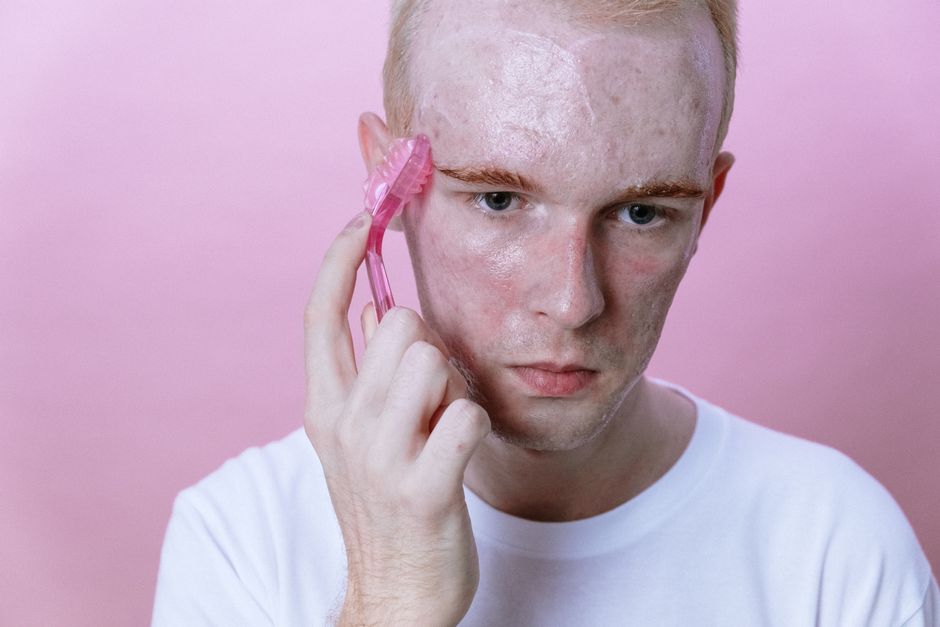
Smoking does not directly cause acne, but it can make existing acne worse and contribute to other skin problems that look similar to breakouts. The relationship between smoking and acne is complex, and it does not follow the simple pattern many people expect. Research consistently shows that smokers have higher rates of inflammatory skin conditions, but the type of acne most people get as teenagers is actually less common among smokers than non-smokers.
What Does the Research Actually Say About Smoking and Acne?
Studies have found a surprising pattern. Smokers tend to have lower rates of common teenage-style acne than non-smokers. This does not mean smoking protects your skin. It means the effects of smoking on skin are different from what most people assume.
The more common skin issue for smokers is a condition called atypical post-adolescent acne. This type of acne appears in adults, especially women in their 20s and 30s who smoke. It typically shows up as inflamed bumps and pustules rather than blackheads and whiteheads. Some research suggests this form of acne is more common in smokers, though the evidence is not conclusive across all studies.
What is more firmly established is that smoking harms skin health in ways that make breakouts harder to heal and more visible. Smoking reduces blood flow to the skin. Less blood flow means less oxygen and fewer nutrients reaching skin cells. This slows the skin’s repair process, which can make any pimple take longer to clear.
Can Smoking Cause Acne Breakouts Through Inflammation?
Smoking triggers systemic inflammation throughout the body. Cigarette smoke contains thousands of chemicals, many of which promote inflammatory responses. Inflammation is a core part of acne formation. When pores become blocked with oil and dead skin cells, the immune system responds with inflammation. This is what turns a clogged pore into a red, swollen pimple.
Because smoking keeps the body in a higher inflammatory state, it can amplify this response. A minor clogged pore might become a more inflamed lesion in a smoker than it would in a non-smoker. This does not mean smoking causes the initial blockage, but it can make the outcome worse.
Nicotine itself also has direct effects on the skin. Nicotine constricts blood vessels, which further reduces blood flow to the skin surface. It also alters the composition of sebum, the oily substance produced by skin glands. Some research indicates nicotine can make sebum thicker and more prone to clogging pores, though this evidence comes mostly from laboratory studies rather than large human trials.
Why Do Some Smokers Have Clear Skin While Others Break Out?
Genetics play a major role in who develops acne. Some people have skin that is naturally more prone to clogged pores and inflammation. Others have skin that resists breakouts even under poor conditions. Smoking adds stress to the skin, but it does not override genetics.
Hormones also matter. Androgens, the hormones that drive oil production, fluctuate throughout life. Smoking can influence hormone levels in ways that may affect acne. Women who smoke may experience different hormonal patterns than non-smokers, which could contribute to adult-onset breakouts. This area of research is not fully understood, and results from different studies have not always agreed.
Lifestyle factors that often accompany smoking can also affect skin. Smokers are more likely to have poor sleep habits, higher alcohol consumption, and less consistent skincare routines. Any of these factors alone can contribute to breakouts. Separating the direct effects of smoking from these related behaviors is difficult, and researchers have not fully untangled the connections.


How Smoking Affects Skin Healing and Scarring
Even if smoking does not directly cause pimples, it clearly interferes with how skin heals. Blood vessel constriction from nicotine reduces oxygen delivery to skin tissue. Collagen production slows. The skin’s natural repair mechanisms become less efficient.
This matters for acne in two ways. First, existing pimples take longer to resolve. A breakout that might clear in a few days for a non-smoker can linger for weeks in a smoker. Second, the risk of scarring increases. When skin heals slowly and poorly, it is more likely to leave behind marks and depressed scars.
Smoking also accelerates skin aging. This is well documented. Smokers develop more wrinkles, especially around the mouth and eyes, at younger ages than non-smokers. The same processes that cause premature wrinkling — reduced blood flow, collagen breakdown, oxidative stress — also impair the skin’s ability to recover from acne lesions.
Does Vaping or Secondhand Smoke Affect Acne?
Vaping is too new for long-term skin research. No large studies have confirmed whether e-cigarettes affect acne one way or the other. However, nicotine is present in most vaping liquids, and nicotine’s effects on blood vessels are well established. It is reasonable to assume that nicotine from vaping could have similar effects on skin blood flow as nicotine from cigarettes, but no clinical evidence currently confirms this.
Secondhand smoke exposure has been studied in relation to skin health, but the evidence is limited. Some research in children has linked secondhand smoke exposure to certain skin conditions, but no strong data connects it specifically to acne. The general inflammatory effects of inhaling smoke would theoretically apply, but this remains unproven for acne specifically.
What Skin Conditions Are Confused With Smoking-Related Acne?
Several skin conditions common among smokers can be mistaken for acne. If you smoke and have persistent bumps on your face, you may not actually have acne at all.
Folliculitis is inflammation of the hair follicles. It can look very similar to acne, with red bumps and pustules. Smoking does not directly cause folliculitis, but it may impair the skin’s ability to fight off the bacteria involved. Folliculitis requires different treatment than acne, so getting an accurate diagnosis matters.
Perioral dermatitis is another condition that produces small red bumps, usually around the mouth and nose. It is more common in women and can be triggered by various factors including certain skincare products and possibly smoking. Like folliculitis, it does not respond to typical acne treatments.
Keratosis pilaris causes rough, bumpy patches on the skin, often on the upper arms and thighs. It is not caused by smoking, but it can become more noticeable if skin health declines. These bumps are not pimples and do not respond to acne medication.
If you smoke and have skin bumps that do not improve with standard acne products, see a dermatologist. Treating the wrong condition wastes time and can make the actual problem worse.
Does Quitting Smoking Improve Acne and Skin Health?
No large clinical trials have specifically measured how quitting smoking affects acne. However, the indirect evidence is strong. Blood flow to the skin improves within weeks of stopping smoking. Inflammatory markers in the body decrease. Skin repair mechanisms begin to normalize.
People who quit smoking often report that their skin looks better within a month or two. This is consistent with what researchers know about skin physiology, even though no controlled trial has documented this specifically for acne.
Quitting smoking also eliminates the constant exposure to thousands of toxic chemicals that stress the skin. The skin is the body’s largest organ, and it reflects overall health. Improving cardiovascular health, reducing inflammation, and restoring normal blood flow all support better skin function.
If you quit smoking and your acne temporarily worsens, this can happen. Some people experience a flare-up in the first few weeks after quitting. This may be related to hormonal shifts or the body adjusting to the absence of nicotine. This phase typically passes, and skin usually improves over time. No clinical guidelines currently exist for managing acne flare-ups specifically during smoking cessation, but standard acne treatments can help during this transition.
What Is the Best Approach for Smokers With Acne?
If you smoke and have acne, the most evidence-based approach involves two tracks. First, address the acne with treatments that have proven effectiveness. Second, recognize that smoking may be undermining those treatments.
Standard acne treatments work the same way in smokers and non-smokers. Over-the-counter benzoyl peroxide and salicylic acid products can help with mild breakouts. Prescription options including topical retinoids and antibiotics are effective for more persistent acne. These treatments address the core mechanisms of acne: clogged pores, bacteria, and inflammation.
However, if smoking impairs blood flow and slows healing, even effective acne treatments may work more slowly. A pimple that would clear in a week with treatment might take two weeks in a smoker. This does not mean the treatment is failing. It means the skin’s repair capacity is reduced.
The honest conclusion is that smoking cessation is likely the single most beneficial thing a smoker with acne can do for their skin. This is based on established knowledge about how smoking affects skin physiology. No study has directly compared acne outcomes between smokers who quit and those who continue, but the physiological evidence strongly supports the benefit.
Frequently Asked Questions
Can smoking cause acne breakouts on the face?
Smoking does not directly cause typical teenage acne, but it can promote adult-onset inflammatory breakouts and slow the healing of existing pimples. The evidence shows smokers are more prone to inflamed bumps than to blackheads and whiteheads.
Will quitting smoking clear up my acne?
No large studies have confirmed that quitting smoking clears acne, but skin blood flow and healing improve after quitting. Many people report better skin within a few months of stopping, though some experience a temporary flare-up first.
Is vaping better for acne than smoking cigarettes?
No clinical evidence currently compares vaping and smoking effects on acne. Vaping delivers nicotine, which constricts blood vessels, so it likely has similar effects on skin blood flow, but this has not been confirmed in human trials.
Does secondhand smoke cause acne?
No strong research connects secondhand smoke specifically to acne. The general inflammatory effects of inhaled smoke could theoretically affect skin, but this remains unproven.
