
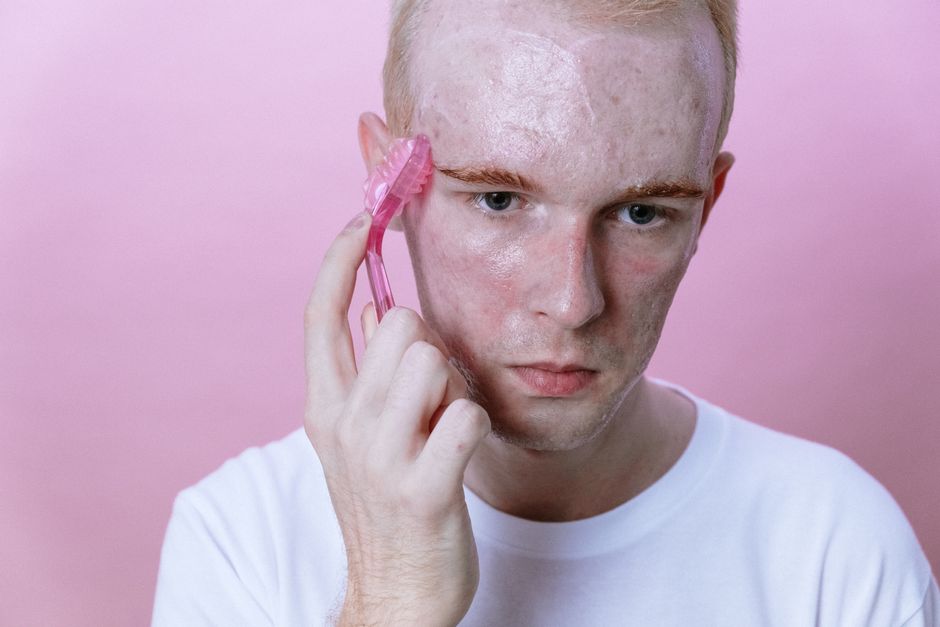
You get acne when hair follicles become clogged with oil and dead skin cells. The real cause is a mix of excess sebum production, bacteria called Cutibacterium acnes, inflammation, and hormonal changes. Breakouts are not caused by dirty skin or eating chocolate, despite what you have heard for years. Understanding the actual biological process is the first step to managing it.
What Actually Happens Inside Your Skin to Cause Acne?
Every hair follicle on your body has an oil gland attached to it. These glands produce sebum, which is meant to keep your skin lubricated and protected. In people prone to acne, these glands produce too much sebum for reasons we will get into shortly.
At the same time, your skin sheds dead cells that line the follicle. In normal skin, these cells fall off and wash away. In acne-prone skin, the cells stick together and mix with the excess oil. This creates a plug inside the pore. The plug is called a microcomedone, and it is the very first stage of every pimple.
If that plug stays closed, it becomes a whitehead. If it opens to the air and the oil oxidizes, it turns black. That is a blackhead, and the dark color is not dirt. It is just the oil reacting with oxygen, the same way a cut apple turns brown.
What Role Do Hormones Play in Breakouts?
Hormones are the main driver of acne for most people. Androgens like testosterone tell your oil glands to produce more sebum. This happens during puberty, which is why teenagers get acne. But it also happens in adults during menstrual cycles, pregnancy, and menopause.
The American Academy of Dermatology notes that adult women often get acne around their jawline and chin because of monthly hormone fluctuations. Stress also raises cortisol levels, which can trigger your oil glands to work harder. This is not a myth — research has shown a clear link between high stress and more severe breakouts.
One point that surprises many people is that acne is not caused by “bad” hormones. It is caused by normal hormones acting on skin that is genetically sensitive to them. Your hormone levels may be perfectly healthy. Your skin is just reacting more strongly than someone else’s would.
Why Do You Get Acne the Real Causes of Breakouts According to Research?
Research published in the Journal of Clinical and Aesthetic Dermatology shows that four main factors work together to create acne. The first is excess oil production. The second is clogged pores from sticky dead skin cells. The third is the overgrowth of Cutibacterium acnes bacteria. The fourth is inflammation.
These four factors do not happen in a neat order. They feed into each other. More oil means more bacteria. More bacteria means more inflammation. More inflammation makes the skin cells stick together more, which clogs pores further. It is a cycle, not a single cause.
Genetics plays a big role here. If your parents had acne, you are far more likely to have it too. The CDC reports that acne affects about 85 percent of young adults at some point, but the severity varies widely based on your genetic makeup. You cannot change your genes, but knowing this helps you stop blaming yourself for breakouts.




Does Diet Really Cause Acne or Is That a Myth?
This is where the evidence gets complicated and a lot of what you have heard is wrong. The idea that chocolate and greasy food cause acne is not supported by strong research. Studies from the 1960s that claimed this were poorly designed and have been debunked.
However, some foods do have a real connection to acne. Research published in JAMA Dermatology found that high-glycemic foods — things like white bread, sugary drinks, and processed snacks — can raise insulin levels. Higher insulin triggers your oil glands to produce more sebum. Dairy also has a moderate link. Some studies suggest that skim milk in particular is associated with more breakouts, though the reason is not fully understood.
This does not mean you need to cut out all sugar or dairy. The effect is modest for most people. If you notice that your skin breaks out after eating certain foods, it is worth paying attention to that pattern. But do not expect that changing your diet alone will clear severe acne. It rarely does.
What Is the Difference Between Comedonal and Inflammatory Acne?
Not all pimples are the same. Comedonal acne is the non-inflamed type. It includes whiteheads and blackheads. These are simply clogged pores with no redness or swelling. Many people have these without ever developing inflamed pimples.
Inflammatory acne is what most people think of as a real breakout. These are red, swollen, and sometimes painful. They happen when the clogged pore becomes a breeding ground for bacteria. Your immune system attacks the bacteria, which causes redness, heat, and pus. This is the type of acne that can leave scars if not treated properly.
Understanding this difference matters because treatment is not the same for both. Comedonal acne responds well to ingredients like salicylic acid that exfoliate the pore. Inflammatory acne often needs something that kills bacteria or reduces inflammation, like benzoyl peroxide or topical retinoids.
| Acne Type | Main Cause | Appearance | Common Treatment |
|---|---|---|---|
| Comedonal (whiteheads, blackheads) | Clogged pores with oil and dead skin | Small bumps, no redness | Salicylic acid, retinoids |
| Inflammatory (papules, pustules) | Bacteria and immune response | Red, swollen, sometimes pus-filled | Benzoyl peroxide, antibiotics |
| Cystic (deep nodules) | Severe inflammation deep in skin | Large, painful, under the surface | Prescription isotretinoin or hormonal therapy |
What Actually Works to Stop Breakouts?
Over-the-counter products can work for mild to moderate acne. Benzoyl peroxide kills bacteria effectively. Salicylic acid helps unclog pores. Retinoids like adapalene speed up skin cell turnover and prevent plugs from forming. The key is consistency — these products take weeks to show results, not days.
For moderate to severe acne, prescription treatments are often necessary. Topical antibiotics reduce bacteria and inflammation. Oral antibiotics do the same but work throughout the body. Hormonal treatments like birth control pills or spironolactone can help women by lowering androgen levels. The most powerful option is isotretinoin, which shrinks oil glands dramatically. It works for most people but has side effects that require monitoring.
Here is what the evidence says about common habits people try:
- Washing your face more than twice a day can make acne worse by irritating the skin and stripping it of protective oils.
- Popping pimples pushes bacteria deeper into the skin and increases the chance of scarring. Leave them alone.
- Changing your pillowcase every few days makes a small difference by reducing bacteria transfer, but it will not clear acne on its own.
- Sun exposure can temporarily dry out pimples but damages skin long-term and can make acne worse later.
What Common Mistakes Make Acne Worse?
The most common mistake is using too many products at once. People see a pimple and pile on benzoyl peroxide, salicylic acid, tea tree oil, and a scrub all in one night. This destroys your skin barrier, causing redness, peeling, and more breakouts from irritation. Stick to one active ingredient at a time and use it consistently for at least six weeks before judging results.
Another mistake is stopping treatment as soon as skin clears. Acne is a chronic condition for many people. The underlying causes — oil production, skin cell shedding, bacteria — do not go away. If you stop using your treatment, the breakouts often return within a few weeks. Maintenance is part of managing acne, not a sign that something is wrong.
Avoiding moisturizer is another error. Many people with oily skin skip moisturizer because they think it will make them more oily. The opposite is true. When you dry out your skin with acne treatments, your oil glands can overcompensate and produce even more oil. A lightweight, non-comedogenic moisturizer helps keep your skin balanced and actually supports acne treatment.
Frequently Asked Questions
Can stress alone cause acne breakouts?
Stress does not directly cause acne but it can make existing acne worse by raising cortisol levels. Higher cortisol increases oil production in your skin.
Does washing your face more help clear acne?
Washing your face twice a day is enough. Over-washing strips protective oils and irritates the skin, which can actually trigger more breakouts.
Is acne caused by poor hygiene?
No. Acne starts deep inside the pore and is not caused by surface dirt. Scrubbing hard or using harsh soaps will not fix it.
Can makeup cause acne breakouts?
Some makeup can clog pores if it contains heavy oils or ingredients labeled as comedogenic. Look for non-comedogenic products to reduce the risk.
