

Leaky gut is a term for increased intestinal permeability, a condition where the lining of your intestines becomes less effective at keeping large particles out of your bloodstream. The direct answer is that this condition can be reversed, and it is not considered permanent. The intestinal lining is dynamic and repairs itself constantly, and with the right dietary and lifestyle changes, most people can restore a healthy gut barrier.
What Exactly Is a Leaky Gut?
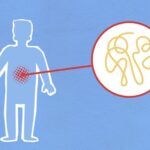
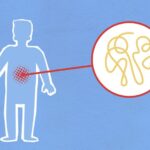
The lining of your intestines is a single layer of cells. These cells are packed tightly together by proteins called tight junctions. These junctions act like a gatekeeper. They allow tiny, fully digested nutrients to pass into your bloodstream while keeping out larger undigested food particles, toxins, and bacteria.
When someone has a “leaky gut,” those tight junctions loosen up. The gate becomes less selective. Larger particles slip through the gaps and enter your bloodstream. Your immune system sees these particles as foreign invaders and mounts an inflammatory response. This is not a theory; this mechanism is well established in gastroenterology.
What Causes the Intestinal Barrier to Fail?
Several factors are known to weaken the intestinal lining. Genetics play a role, but your environment and daily habits have a bigger impact.
- Diet: Highly processed foods, excess alcohol, and a diet low in fiber can alter the gut environment and loosen tight junctions.
- Medications: Nonsteroidal anti-inflammatory drugs (NSAIDs) like ibuprofen and naproxen are known to increase intestinal permeability when used regularly.
- Chronic Stress: Stress hormones can directly affect the integrity of the intestinal lining.
- Infections: Certain intestinal infections can temporarily damage the gut lining.
- Nutrient Deficiencies: Vitamin D, zinc, and glutamine are all important for maintaining the barrier.
These triggers are not permanent. When you remove the stressor, the gut has the capacity to heal.
Can Leaky Gut Be Reversed Or Is It Permanent?
It is reversible. The intestinal lining is one of the fastest-regenerating tissues in the human body. Your entire intestinal lining replaces itself every few days. This constant turnover means the gut is designed to heal quickly when it is given the right conditions.
Reversal is not about taking a single pill. It is about removing the factors that are damaging the lining and providing the nutrients it needs to repair. For most people, noticeable improvements happen within weeks to a few months of consistent changes. The timeline varies based on how severe the damage is and how strictly you follow the changes.


How Do You Actually Reverse It?
There is no FDA-approved medication specifically for treating leaky gut. Instead, the approach focuses on diet and lifestyle changes that are supported by clinical evidence.
Remove the Offenders
The first step is to stop consuming what is causing the damage. This usually means cutting back on alcohol and highly processed foods. For many people, identifying specific food intolerances is important. Common triggers include gluten and dairy, but this varies widely from person to person. If you suspect a food intolerance, an elimination diet under the guidance of a dietitian can help you identify your specific triggers.
Add Healing Nutrients
Your gut needs specific nutrients to rebuild its barrier. These are not vague “gut health” supplements. They are specific compounds with research behind them.
Glutamine is an amino acid that serves as the primary fuel source for the cells lining your intestines. Studies have shown it plays a critical role in maintaining the gut barrier. It is found in foods like chicken, fish, and cabbage.
Zinc is essential for cell growth and repair. A deficiency is linked to increased intestinal permeability. Oysters, beef, and pumpkin seeds are good sources.
Vitamin D influences the proteins that make up tight junctions. Maintaining adequate levels is important for gut health.
You can get these from food, but some clinicians recommend supplements to correct deficiencies. No clinical guidelines currently exist for a universal “leaky gut” supplement protocol. A blood test can tell you if you have a deficiency.
Eat More Fiber
Fiber feeds the beneficial bacteria in your colon. These bacteria produce short-chain fatty acids, particularly butyrate. Butyrate is the main energy source for colon cells and helps strengthen the gut barrier. Foods rich in fiber include oats, beans, lentils, fruits, and vegetables. Increasing fiber gradually is important to avoid bloating and gas.
Do Probiotics and Prebiotics Help?
Some research suggests that certain probiotic strains may help strengthen the intestinal barrier. The evidence is not uniform across all strains, and results vary from person to person. Some studies indicate that specific strains like Lactobacillus rhamnosus and Bifidobacterium species can positively influence tight junctions.
Prebiotics are types of fiber that feed the good bacteria already in your gut. They are found in foods like garlic, onions, bananas, and asparagus. Supporting your gut microbiome is a reasonable part of a gut-healing plan, but it is not a standalone cure.
What Are the Symptoms of Leaky Gut?
This is where the science gets more complicated. Increased intestinal permeability is a real physiological condition. However, the idea that it is the root cause of a wide range of unrelated conditions is not supported by strong clinical evidence.
Some symptoms are more directly linked to increased permeability. These include bloating, gas, abdominal pain, and food sensitivities. When the gut barrier is compromised, the digestive process itself can become uncomfortable.
Many practitioners and alternative health sources claim leaky gut causes conditions like acne, brain fog, and autoimmune diseases. The link is biologically plausible, but no large human trials have confirmed that leaky gut directly causes these conditions. The evidence is limited. If you have chronic symptoms, it is more productive to work with a doctor to identify the specific cause rather than assuming it is all due to a leaky gut.
How Long Does Healing Take?
Healing time depends on the individual and the severity of the damage. The gut lining itself regenerates quickly, but the surrounding inflammation and microbiome imbalances take longer to resolve.
Some people feel better within two to four weeks of removing trigger foods and eating a nutrient-dense diet. Others need several months to see significant improvement. If you have an underlying condition like inflammatory bowel disease or celiac disease, the healing process is managed by a gastroenterologist and may require medication in addition to diet changes.
What If Symptoms Do Not Go Away?
If you have been eating well and removing triggers for several months without improvement, it is time to look deeper. Leaky gut is not a diagnosis in standard medical practice. It is a description of a physiological state.
If you have persistent digestive symptoms, you should see a gastroenterologist. They can test for conditions like celiac disease, Crohn’s disease, ulcerative colitis, and irritable bowel syndrome. These conditions can all increase intestinal permeability, and treating the underlying condition is the only way to truly fix the gut lining.
Is There a Test for Leaky Gut?
There is no standard diagnostic test used in mainstream medicine. Some functional medicine practitioners offer tests that measure the absorption of sugar molecules like lactulose and mannitol. This test can indicate increased permeability, but it is not widely accepted as a diagnostic tool for clinical decision-making.
If you are considering this test, it is best to do so with a clinician who can interpret the results in the context of your full medical picture. A positive test result alone does not tell you what is causing the problem.
Frequently Asked Questions
How long does it take to reverse leaky gut?
Most people see improvement within a few weeks to a few months of consistent dietary changes. The timeline depends on the severity of the damage and whether the underlying cause has been addressed.
What foods heal a leaky gut?
Foods rich in fiber, glutamine, zinc, and vitamin D support gut repair. This includes cooked vegetables, bone broth, fatty fish, eggs, and fermented foods like yogurt and kefir.
Is leaky gut a real medical condition?
Increased intestinal permeability is a real physiological condition, but it is not a standalone medical diagnosis. It is often associated with other digestive disorders and is best treated by addressing the underlying cause.
Can stress cause leaky gut?
Chronic stress can contribute to increased intestinal permeability by altering gut motility and the immune response. Managing stress is a legitimate part of supporting gut health.
