
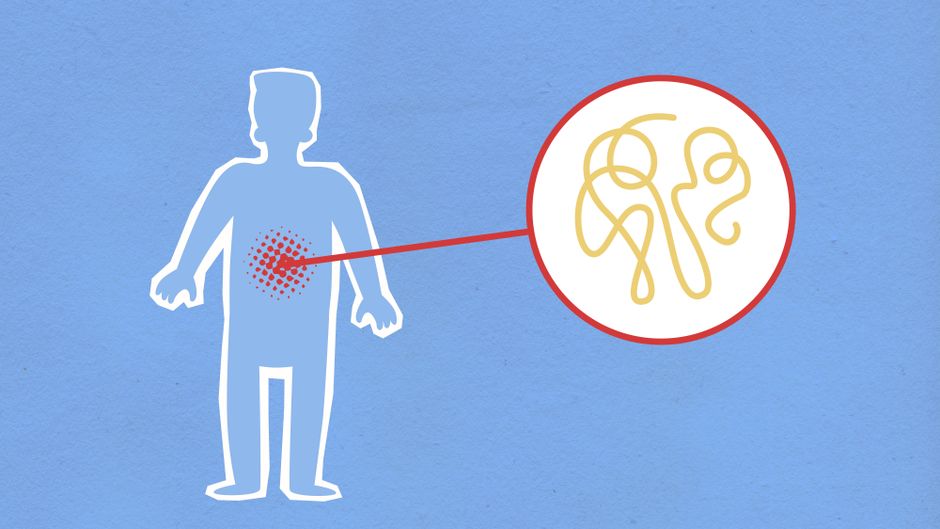
Leaky gut syndrome describes a condition where the lining of the intestines becomes more permeable than normal, allowing substances to pass into the bloodstream that usually stay inside the digestive tract. The direct causes and effects of this condition are a topic of ongoing medical research, but the primary concern is that this increased intestinal permeability may trigger inflammation throughout the body. While many claims circulate online, the scientific evidence supports a link between a leaky gut and specific digestive conditions, while the connection to other health problems remains uncertain.
What Does Leaky Gut Cause?
Leaky gut, medically known as increased intestinal permeability, is strongly linked to two specific conditions: celiac disease and inflammatory bowel disease (IBD), which includes Crohn’s disease and ulcerative colitis. In these conditions, the tight junctions between cells in the intestinal wall break down, allowing larger particles to pass through. This process is a known part of how these diseases develop and progress.
Beyond these established connections, the scientific picture becomes less clear. Some researchers believe that increased intestinal permeability may play a role in other conditions, but the evidence is not yet strong enough to confirm a direct cause-and-effect relationship for most of them.
How Does the Intestinal Barrier Work?
The lining of your intestines is a single layer of cells that acts as a gatekeeper. It absorbs nutrients from food while keeping out harmful substances like bacteria, toxins, and undigested food particles. The cells are held together by proteins called tight junctions, which control what passes between them.
Think of these tight junctions as a zipper. When the zipper is working correctly, only small, digested nutrients pass through. When it becomes loose or damaged, larger particles can slip through into the bloodstream. Your immune system then sees these particles as foreign invaders and mounts an inflammatory response.
This mechanism is well understood in the laboratory. What remains debated is how often this process happens in healthy people and whether it directly causes disease outside of the digestive tract.
Which Conditions Are Strongly Linked to Leaky Gut?
The strongest evidence connects increased intestinal permeability to inflammatory bowel disease. Studies have shown that people with Crohn’s disease and ulcerative colitis have looser tight junctions than healthy people. Some research suggests this increased permeability may even predict a relapse in people with Crohn’s disease.
Celiac disease is another condition where the connection is clear. In celiac disease, eating gluten triggers an immune reaction that damages the intestinal lining. This damage increases intestinal permeability. Following a strict gluten-free diet helps the lining heal and the permeability to return to normal.
These two conditions share a pattern: the leaky gut is part of the disease process itself. The inflammation and the increased permeability feed into each other, creating a cycle that is difficult to break without treating the underlying condition.





What About Other Health Conditions?
Many claims link leaky gut to conditions like autoimmune diseases, autism, depression, and chronic fatigue syndrome. The theory is that substances escaping the gut trigger widespread inflammation that affects other parts of the body. This idea is biologically plausible, but the clinical evidence is limited.
Some research has found increased intestinal permeability in people with type 1 diabetes, multiple sclerosis, and rheumatoid arthritis. However, it is not clear whether the leaky gut causes these conditions or is a consequence of them. The inflammation associated with autoimmune disease could itself damage the intestinal lining.
For conditions like autism and depression, the evidence is even thinner. Some small studies have suggested a link, but larger, well-designed studies have not confirmed it. No clinical guidelines currently recommend testing for or treating leaky gut in these conditions.
What Causes the Intestinal Lining to Become More Permeable?
Several factors are known to affect the integrity of the intestinal lining. Chronic stress, excessive alcohol consumption, and long-term use of nonsteroidal anti-inflammatory drugs (NSAIDs) like ibuprofen can all increase intestinal permeability. These effects have been demonstrated in human studies.
Diet also plays a role. A diet high in processed foods and low in fiber may contribute to a less healthy gut lining. Some research suggests that certain food additives, like emulsifiers, might affect the gut barrier, but this research is mostly in animals and needs more human studies.
An imbalance in gut bacteria, known as dysbiosis, is also associated with increased permeability. The bacteria in your gut produce substances that help maintain the intestinal barrier. When this balance is disrupted, the barrier can weaken.
Can You Test for Leaky Gut?
There is no standard test that doctors use to diagnose leaky gut syndrome. In research settings, scientists use a test called the lactulose-mannitol test. You drink a solution containing these two sugars, and then your urine is collected to measure how much of each sugar passed through your intestinal wall.
Lactulose is a large sugar molecule, and mannitol is a small one. If your intestinal lining is healthy, small amounts of both sugars pass through. If the lining is more permeable than normal, higher levels of lactulose appear in the urine. This test is used in research, but it is not widely available in clinical practice.
Commercial labs offer tests for leaky gut, but these are not validated or approved by medical organizations. The results do not reliably predict disease or guide treatment. Some clinicians recommend these tests, but this is not standard practice supported by strong evidence.
How Do Doctors Treat Increased Intestinal Permeability?
Treatment depends on the underlying cause. For people with celiac disease, a strict gluten-free diet is the primary treatment, and it effectively restores the intestinal barrier. For people with inflammatory bowel disease, medications that reduce inflammation also help repair the gut lining.
For people without a diagnosed condition, there is no established medical treatment for leaky gut. Some clinicians recommend dietary changes, such as eating more fiber, reducing alcohol, and managing stress. These are reasonable general health recommendations, but they are not proven to specifically treat intestinal permeability.
Supplements like zinc, L-glutamine, and probiotics are sometimes marketed for gut health. Some small studies suggest they may support the intestinal barrier, but the evidence is not strong enough for a clinical recommendation. No large human trials have confirmed that these supplements treat leaky gut in otherwise healthy people.
What Should You Do If You Think You Have Leaky Gut?
If you have persistent digestive symptoms like bloating, gas, diarrhea, or abdominal pain, see a doctor. These symptoms can indicate a real condition that needs proper diagnosis and treatment. Do not assume leaky gut is the cause without medical evaluation.
Your doctor may test for celiac disease, inflammatory bowel disease, or other digestive conditions. These tests are reliable and can guide effective treatment. If your doctor finds no specific condition, focus on general health measures that support your digestive system.
Eating a balanced diet rich in fiber, staying hydrated, getting regular physical activity, and managing stress are all supported by evidence as beneficial for overall health. These habits support a healthy gut, even if the concept of leaky gut remains scientifically unresolved.
Frequently Asked Questions
Is leaky gut a real medical condition?
Increased intestinal permeability is a real physiological phenomenon, but leaky gut syndrome is not a recognized medical diagnosis. The concept is supported by research in specific conditions like celiac disease and inflammatory bowel disease, but not as a standalone disease.
What are the symptoms of leaky gut?
There are no specific symptoms that are unique to increased intestinal permeability. Digestive symptoms like bloating, gas, and abdominal pain are often attributed to leaky gut, but these same symptoms occur in many other conditions.
Can you fix a leaky gut with diet?
A healthy diet supports gut health, but no specific diet has been proven to cure increased intestinal permeability. For people with celiac disease, a gluten-free diet is effective, but for others, the evidence for dietary treatment is limited.
Does stress cause leaky gut?
Research shows that acute and chronic stress can increase intestinal permeability in human studies. This effect is temporary in most cases, and the intestinal barrier typically recovers once stress is reduced.
