
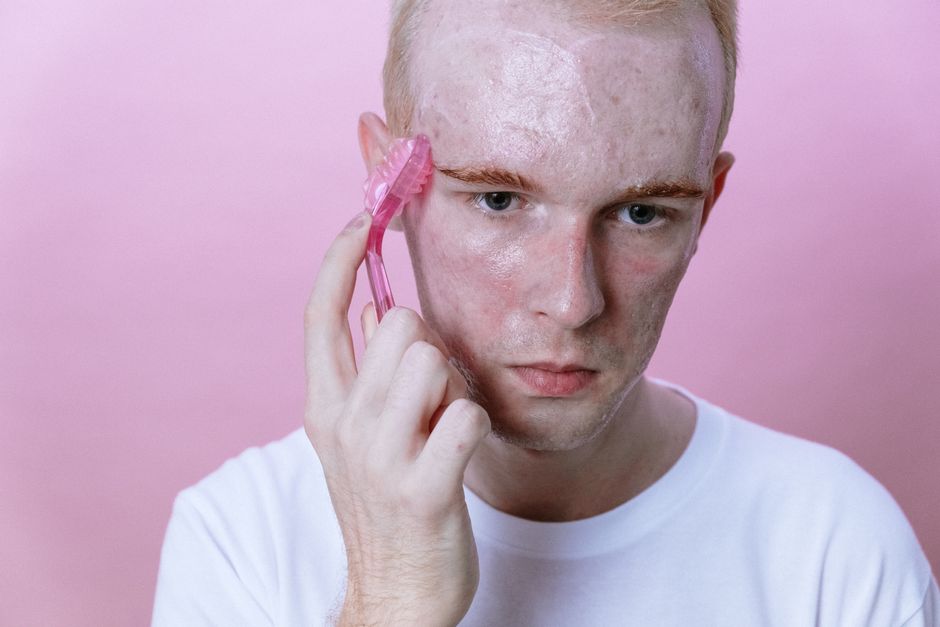
Acne is often blamed on hormones, diet, and genetics, but there is another significant trigger that often gets overlooked: physical irritation. The short answer is yes, irritation can absolutely cause acne or make existing breakouts significantly worse. This is not a myth or a minor factor; it is a well-documented phenomenon that dermatologists see regularly, and understanding it can be the key to finally clearing your skin.
What Is Acne Mechanica?
When friction, heat, or pressure damages the skin and triggers breakouts, it has a specific name: acne mechanica. The term comes from the Greek word “mechane,” meaning machine, because this type of acne is caused by a mechanical or physical force acting on the skin.
This is different from hormonal acne, which comes from inside the body. Acne mechanica starts from the outside. The physical action of rubbing, pressing, or trapping heat against the skin disrupts the protective barrier and inflames the hair follicles, creating the perfect environment for a pimple to form.
Anyone can develop acne mechanica. It is common in athletes who wear helmets and pads, musicians who rest instruments against their skin, and people who talk on their phones for hours. It is also a frequent problem for anyone wearing a mask for long periods, a condition so common it was nicknamed “maskne” during the pandemic.
How Physical Irritation Triggers Breakouts
The mechanism is straightforward. Your skin is covered in tiny openings called pores, each containing a hair follicle and an oil gland. When you rub or press on the skin, you create microscopic damage. This damage triggers inflammation, and the skin responds by producing more oil to protect itself.
That extra oil mixes with dead skin cells. Normally, these cells shed off naturally. But friction traps them against the skin, and they clog the pore. The blocked pore becomes a breeding ground for Cutibacterium acnes, the bacteria that lives on everyone’s skin. The bacteria multiply, the immune system reacts, and a pimple forms.
Heat and humidity make this worse. When your skin is hot and sweaty, the pores swell and become more easily blocked. Sweat itself is not the enemy, but the combination of sweat, friction, and trapped debris is a recipe for clogged pores and inflammation.
Common Sources of Skin Irritation
You might be irritating your skin every day without realizing it. Here are some of the most common culprits that dermatologists see in their offices.
- Face masks and respirators: The constant rubbing of fabric against the skin, combined with trapped breath and humidity, is a leading cause of irritation breakouts.
- Phone screens: Pressing a dirty phone against your cheek for long calls pushes bacteria and oil into your pores.
- Headbands and hats: Sweatbands, baseball caps, and helmets trap sweat and rub against the forehead and hairline.
- Chin rests and guitar straps: Musicians often develop breakouts where their instrument constantly touches their skin.
- Scrubbing and aggressive washing: Using harsh scrubs or washing your face too vigorously strips the skin’s protective oils, leading to irritation and rebound oil production.
- Tight collars and backpack straps: Pressure and friction on the neck, shoulders, and back can cause breakouts in those areas.
- Picking and touching: Resting your chin in your hands or picking at your skin introduces bacteria and creates micro-tears that become inflamed.





Is It Acne or Just Irritation?
Sometimes it is hard to tell the difference between a true acne breakout and simple skin irritation like contact dermatitis. The two conditions look similar but require different treatments.
Acne mechanica typically appears as small, red bumps, whiteheads, or blackheads. These usually show up in the exact area where the friction occurred. If you break out on your forehead where your headband sits, or on your jawline where you rest your hand, that is a strong sign of irritation acne.
Contact dermatitis, on the other hand, is a reaction to an allergen or irritant. It often looks like a red, itchy rash rather than distinct pimples. It may burn or sting, and it does not produce the same whiteheads or blackheads that acne does.
If you are unsure, consider the timeline. Acne mechanica usually appears hours to a few days after the irritation. If your breakouts consistently appear in the same spots where you experience friction, irritation is likely the cause.
What the Evidence Says About Irritation and Acne
This is not just anecdotal observation from dermatologists. Research has consistently confirmed the link between physical irritation and acne breakouts. Studies on occupational acne have documented breakouts in workers who wore tight safety helmets or respirators for long shifts.
Research published in dermatology journals has examined the phenomenon in athletes, particularly football players and hockey players who wear heavy protective gear. These studies found that the constant pressure and friction of the equipment directly contributed to the development of acne lesions on the shoulders, back, and forehead.
Some research suggests that the physical pressure alone can cause an inflammatory response in the skin, even without the presence of clogged pores. This means that irritation can cause acne-like bumps purely through inflammation, not just through blocked follicles. The evidence is strong enough that dermatologists universally recognize acne mechanica as a distinct and common form of acne.
How to Prevent Irritation Breakouts
Prevention is much easier than treating an active breakout. The goal is to reduce friction, keep the skin clean, and allow the skin barrier to repair itself.
Wash your face and body with a gentle cleanser immediately after sweating or wearing gear. Do not scrub. Use your fingertips and lukewarm water. Pat the skin dry with a clean towel instead of rubbing it.
Wear clean gear every time. Wash headbands, helmet liners, and mask covers regularly. Dirty fabric holds oil, bacteria, and dead skin cells, which get pressed back into your pores the next time you wear it.
If you wear a mask for work, take breaks when it is safe to do so. A few minutes of mask-free time allows your skin to cool down and breathe. Apply a light, non-comedogenic moisturizer before wearing a mask to create a protective barrier between your skin and the fabric.
Keep your hands away from your face. This is simple advice but difficult to follow. Every time you touch your face, you transfer oil and bacteria from your hands to your skin. Resting your chin on your hand for even a few minutes can be enough to trigger a breakout.
Treating Irritation Acne Without Making It Worse
When you already have an irritation breakout, the worst thing you can do is attack it aggressively. Harsh acne treatments will strip the skin and worsen the inflammation, making the problem worse.
Stop the source of friction first. If your headband is causing breakouts, stop wearing it for a while. If your phone is the culprit, use speakerphone or earbuds. The breakout will not clear if you keep irritating the area.
Use a gentle cleanser and a non-comedogenic moisturizer to support the skin barrier. Over-the-counter acne treatments containing benzoyl peroxide or salicylic acid can help clear clogged pores, but start with a low concentration and apply only to the affected area.
If the breakout does not improve after a few weeks of removing the irritant and using gentle care, see a dermatologist. Prescription treatments may be necessary, especially if the irritation has caused deeper, inflamed lesions that are at risk of scarring.
When Irritation Is Not the Cause
It is important to recognize that not every breakout is caused by irritation. Hormonal fluctuations, certain medications, and stress can all trigger acne independent of any physical friction. If you remove all sources of irritation and your breakouts continue, the cause is likely internal.
Women often experience breakouts around their menstrual cycle due to hormone shifts. Certain medications, including some corticosteroids and lithium, are known to cause acne as a side effect. A diet high in refined sugars and dairy products may also contribute to breakouts in some people, though the evidence is mixed.
If you have persistent acne that does not respond to removing friction sources, over-the-counter treatments, or good skincare habits, seek professional help. A dermatologist can identify the true cause and prescribe effective treatment.
Frequently Asked Questions
Can rubbing your face cause pimples?
Yes, rubbing your face creates friction that damages the skin, triggers inflammation, and traps oil and dead skin cells in your pores. This can directly cause pimples to form.
How long does it take for irritation acne to go away?
Once you stop the source of friction, mild irritation breakouts often improve within a few days to a week. Deeper or more inflamed lesions may take several weeks to fully resolve.
Does wearing a mask cause acne?
Yes, masks cause acne by trapping heat, moisture, and bacteria against the skin while the fabric rubs against your face. Taking breaks and washing your mask regularly can help prevent these breakouts.
