
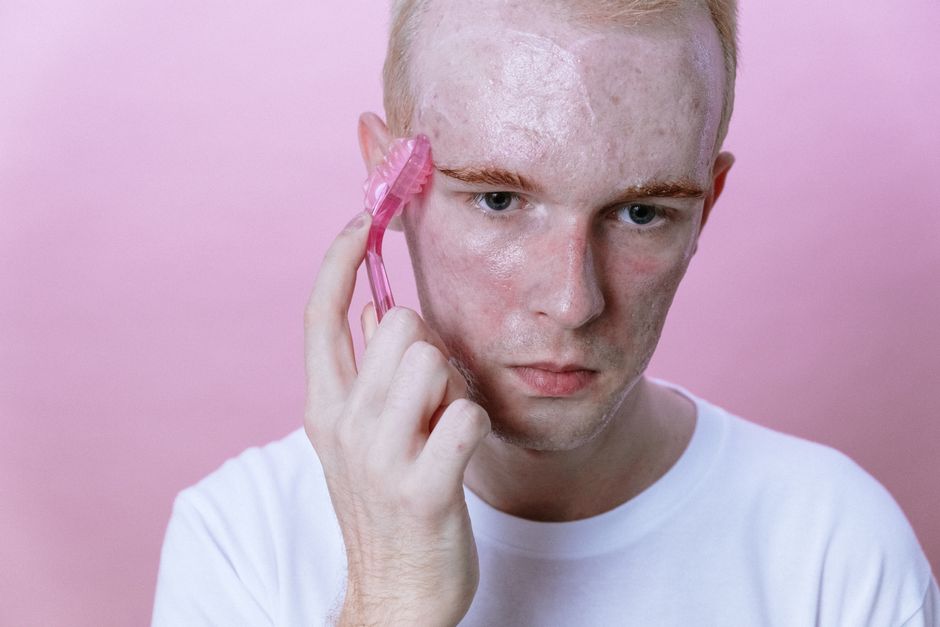
Acne is a skin condition that clears up for the vast majority of people, but the timeline varies widely from person to person. For most, acne does not stay forever, though it can persist for years or even decades without proper treatment. The condition typically peaks during the teenage years and improves significantly by the mid-20s, but adult acne is common and affects a substantial number of people well into their 30s, 40s, and beyond.
What Actually Causes Acne to Develop?
Acne forms when hair follicles become plugged with oil and dead skin cells. Every hair follicle on your face, chest, and back contains a sebaceous gland that produces sebum, a natural oil that keeps skin lubricated. When sebum production increases, often due to hormonal changes, the follicle can become blocked.
Bacteria called Cutibacterium acnes naturally live on the skin and feed on this trapped oil. When the follicle is blocked, these bacteria multiply, triggering inflammation. The result is the whiteheads, blackheads, pimples, and cysts people recognize as acne.
Hormones drive most of this process. Androgens, which increase during puberty, cause sebaceous glands to enlarge and produce more oil. This explains why acne is so common in teenagers. But hormones continue to fluctuate throughout adulthood, which is why acne can appear at any age.
Does Acne Stay Forever Or Eventually Go Away?
Acne eventually goes away for most people, but it does not follow a predictable schedule. Research consistently shows that acne prevalence peaks between ages 16 and 18 and drops steadily afterward. By age 25, about half of people who had teenage acne have clear skin without needing ongoing treatment.
However, acne is not just a teenage condition. Studies indicate that adult acne affects a significant percentage of people, particularly women. Hormonal changes related to menstrual cycles, pregnancy, and perimenopause can trigger or prolong acne in adulthood. Some people who never had acne as teenagers develop it for the first time in their 20s or 30s.
The key point is that acne is treatable at any age. Even when acne persists, it can usually be controlled with the right approach. Untreated acne can last many years, but treated acne often clears within several months.
Why Does Acne Persist Into Adulthood for Some People?
Several factors explain why acne lingers for some people long after their teenage years. Genetics play a major role. If your parents had persistent acne, you are more likely to have it too. Studies of twins suggest that genetic factors account for a substantial portion of acne risk.
Hormonal fluctuations continue to influence acne in adults. Women often experience breakouts around their menstrual cycle when estrogen levels drop and progesterone rises. Conditions like polycystic ovary syndrome, which involves higher androgen levels, are strongly linked to persistent acne in women.
Stress is another factor that can keep acne going. Stress triggers the release of cortisol, which can increase sebum production. This does not mean stress causes acne on its own, but it can worsen existing acne or make breakouts more frequent.
Some everyday habits can also prolong acne. Heavy or oily cosmetics can block pores. Certain medications, including some corticosteroids and lithium, are known to cause or worsen acne. Even something as simple as resting your chin on your hand can irritate follicles and contribute to breakouts.




What Happens When Acne Does Not Get Treated?
Untreated acne does not just go away on its own for everyone. While mild acne may resolve without intervention, moderate to severe acne can persist for years. The longer acne remains active, the greater the chance of permanent scarring.
Acne scars form when inflammation damages the skin’s collagen. The skin attempts to repair this damage, but it cannot always rebuild perfectly. This leaves depressed pits or raised bumps that remain after the active acne clears.
Post-inflammatory hyperpigmentation is another lasting effect. This appears as flat, dark spots where pimples once were. These spots are not true scars and usually fade over several months, but they can persist longer in darker skin tones.
The psychological impact of persistent acne is also real. Numerous studies have linked acne to anxiety, depression, and lower self-esteem, particularly in adolescents and young adults. This is one reason why seeking treatment early matters, even if the acne itself is not severe.
Which Treatments Actually Help Acne Clear?
Over-the-counter treatments work well for mild acne. Products containing benzoyl peroxide kill bacteria and help clear blocked pores. Salicylic acid helps shed dead skin cells that contribute to blockages. Adapalene, now available without a prescription, is a retinoid that prevents new blockages from forming.
For moderate to severe acne, prescription treatments are often necessary. Topical retinoids like tretinoin are highly effective at unclogging pores. Antibiotics, applied to the skin or taken orally, reduce bacteria and inflammation. However, oral antibiotics are typically used for short periods to reduce the risk of antibiotic resistance.
Hormonal treatments are an option for women with persistent acne. Birth control pills containing estrogen and progestin can regulate hormones and reduce sebum production. Spironolactone, a medication that blocks androgen receptors, is also used effectively in women, though it is not FDA-approved specifically for acne.
For severe, scarring acne, isotretinoin remains the most effective treatment available. It is a powerful oral retinoid that shrinks sebaceous glands and dramatically reduces oil production. Most people who complete a full course of isotretinoin see long-lasting clearance, but it requires careful monitoring due to significant side effects, including severe birth defects if taken during pregnancy.
No clinical guidelines recommend a specific timeline for how long any acne treatment should be used before seeing results. In general, topical treatments take 6 to 8 weeks to show noticeable improvement. Prescription treatments can take 3 to 4 months to achieve significant clearance.
Can Lifestyle Changes Make a Difference?
Some evidence links diet to acne, but the relationship is not fully settled. Research published in the Journal of the American Academy of Dermatology has found that high-glycemic foods, such as white bread, sugary drinks, and processed snacks, may worsen acne in some people. Dairy consumption, particularly skim milk, has also been associated with acne in several observational studies.
The evidence here is not strong enough to recommend eliminating any food group. What the research suggests is that some people may see improvement by reducing high-glycemic foods and dairy. If you suspect a food triggers your breakouts, trying a short elimination period and tracking your skin’s response is a reasonable approach.
Skincare habits matter more than most people realize. Washing your face twice daily with a gentle cleanser removes excess oil and dead skin. Harsh scrubbing, however, can irritate skin and worsen acne. Non-comedogenic moisturizers and sunscreens are less likely to block pores.
There is no evidence that poor hygiene causes acne. Acne is not a sign of being dirty. Overwashing can actually strip the skin of protective oils, leading to increased oil production and more breakouts.
When Should You See a Dermatologist?
You should see a dermatologist if over-the-counter treatments have not improved your acne after 2 to 3 months of consistent use. You should also seek professional care if your acne is painful, deep, or leaving dark spots or scars.
Severe acne, characterized by large, painful nodules or cysts, rarely resolves without prescription treatment. Waiting too long can lead to permanent scarring that becomes a separate problem from the active acne itself.
A dermatologist can assess your specific skin type, identify contributing factors, and prescribe treatments matched to your situation. They can also monitor for side effects and adjust treatment as your skin responds. This level of individualized care is why seeing a professional often leads to faster, more complete clearance than self-treatment alone.
Frequently Asked Questions
At what age does acne usually go away?
Acne most often clears by the mid-20s, but some people continue to have breakouts into their 30s and 40s. Adult acne is more common in women than in men.
Can acne come back after it goes away?
Yes, acne can return even after a period of clear skin, especially during times of hormonal change. This is why maintenance skincare is often recommended even after acne clears.
Does popping pimples make acne last longer?
Popping pimples can push bacteria and oil deeper into the skin, causing more inflammation and a longer healing time. It also increases the risk of permanent scarring.
Is adult acne harder to treat than teenage acne?
Adult acne can be more stubborn because it often involves hormonal factors that fluctuate throughout life. It is not harder to treat, but it may require a different approach than teenage acne.
