
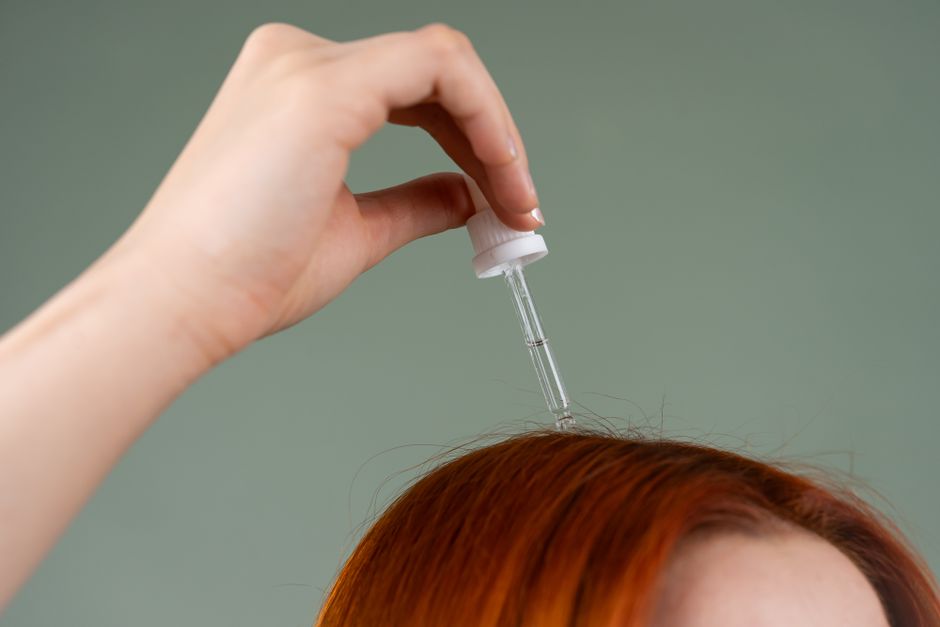
Yes, you can dye your hair while it is wet, but it is rarely the best method. Most permanent and demi-permanent hair dyes are formulated to work on dry hair. Wet hair dilutes the dye and changes how it penetrates the hair shaft, which usually leads to less vibrant, less even color. There are some exceptions, like certain fashion colors or glosses, but for a predictable, lasting result, dry hair is the standard.
Why Do Most Dyes Require Dry Hair?
Hair dye chemistry depends on the dye molecules binding to the hair protein, called keratin. When hair is wet, it is swollen with water. That water fills the spaces where dye molecules need to go. The dye gets diluted and pushed out, so less color actually sticks.
Dry hair has a more compact structure. The outer layer, the cuticle, is closed and flat. This allows the dye to be absorbed more evenly and to develop fully. This is why the instructions on almost every box of permanent color tell you to start with dry, unwashed hair.
Ammonia or similar alkalizing agents in permanent dye need to open the cuticle to deposit color. Water interferes with this process. It lowers the concentration of the active ingredients on the hair surface. The result is a weaker chemical reaction and a color that fades faster.
What Happens When You Dye Wet Hair?
Dyeing wet hair produces several predictable issues. The most common problem is uneven color. Areas with more water, like the ends, will pick up less dye. Areas that are drier, like the roots, will pick up more. This creates patchy, blotchy results.
Color intensity drops noticeably. Because the dye is diluted, the final shade will be lighter and less saturated than the box shows. If you are covering gray hair, wet hair application often fails. The diluted dye cannot deposit enough pigment to mask the gray effectively.
There is also the issue of dripping and runny dye. Wet hair cannot hold the product as well as dry hair. The dye runs down your neck, face, and ears. This not only wastes product but also increases the risk of skin irritation from prolonged contact.
When Is It Okay to Dye Wet Hair?
There are specific products designed for wet hair. These are not permanent dyes. Semi-permanent dyes, rinses, and color-depositing conditioners are meant for damp or wet hair. These products coat the outside of the hair strand rather than penetrating deeply. They add a temporary tint or refresh existing color.
Some fashion colors, like pastel pinks or blues, are sometimes applied to damp hair. This is done to create a softer, more diluted effect. It is a stylistic choice, not a technical requirement. If you want a bold, opaque fashion color, dry hair is still the better option.
Bleach is a different story. Bleach should never be applied to wet hair in most cases. Wet hair dilutes the bleach and slows the chemical reaction. This makes the lightening process unpredictable and can lead to uneven results or chemical damage from leaving the product on too long. Always follow the specific instructions for the bleach product you are using.


How Wet Is Your Hair Really?
There is a difference between damp and wet. Some stylists apply certain toners or glosses to towel-dried hair. This is not the same as soaking wet hair. Damp hair has some moisture but does not drip.
For permanent color, even damp hair is not ideal. The water still interferes with the dye uptake. It is best to start with completely dry hair unless the product label explicitly says otherwise.
If you are using a product that says it can be applied to damp hair, follow that instruction. The formula has been tested for that specific use. Do not assume a regular permanent dye will work the same way on damp hair just because a different product can.
What About Hair Gloss or Toner?
Hair glosses and toners are a separate category. These products are designed to add shine, neutralize brassiness, or deposit a subtle tone. Many of them can be used on towel-dried hair. They are lower in ammonia or completely ammonia-free.
These products work on the surface of the hair. They do not need to penetrate as deeply as permanent dye. That is why moisture is less of a problem. Still, the results will be more even if the hair is uniformly damp rather than wet in some spots and dry in others.
A toner applied to wet hair will be less intense than one applied to dry hair. This can be useful if you want a very subtle effect. But for correcting a strong yellow or orange tone after bleaching, dry hair gives a more reliable result.
What Is the Best Way to Dye Hair at Home?
Start with dry hair that has not been washed for at least 24 hours. The natural oils on your scalp help protect it from irritation. Do not wash your hair right before dyeing unless the instructions specifically tell you to.
Section your hair into four quadrants. This ensures you cover every strand evenly. Apply the dye to the roots first if you are touching up regrowth. Then work the color through the lengths and ends.
Use a timer. Leaving dye on longer than instructed does not make the color darker. It only increases the risk of damage. Permanent dye stops developing after a certain point, usually around 30 to 45 minutes depending on the brand.
Rinse with cool water until the water runs clear. Then use the conditioner that comes with the kit. Do not shampoo for at least 24 to 48 hours after coloring. This allows the cuticle to close and the color to set.
Does Wet Hair Application Cause Less Damage?
Some people believe dyeing wet hair is gentler. This is not supported by evidence. The damage from hair dye comes from the chemical reaction itself, not from the water content. Ammonia and peroxide open the cuticle and lift the natural pigment. That process weakens the hair structure regardless of whether it is wet or dry.
Wet hair is actually more fragile than dry hair. When hair is wet, it stretches more easily. The bonds that give hair strength are temporarily broken by water. Rubbing or pulling wet hair during the coloring process can cause breakage.
The idea that wet application reduces damage likely comes from the fact that the color is less effective. A weaker chemical reaction means less pigment is lifted. But it also means the color will not last. You will need to redo it sooner, which causes more cumulative damage over time.
Can You Dye Wet Hair with Box Dye?
Box dye, or permanent color from a drugstore, is formulated for dry hair. The instructions will say to apply to dry, unwashed hair. If you ignore this and apply it to wet hair, you will not get the color on the box.
You may get a sheer tint that washes out quickly. You may get uneven patches. You will likely waste the product. And you will have to wait several weeks before you can safely color again, leaving you stuck with a color you do not like.
If you have already wet your hair, dry it completely with a towel and a blow dryer before mixing the dye. Do not apply permanent box dye to wet hair. The results are too unpredictable.
What Do Hair Professionals Recommend?
Professional stylists almost always apply permanent color to dry hair. This is standard practice in salons. It gives them control over the placement and the development time. It also ensures consistent results from one appointment to the next.
Some stylists will apply glosses or toners to damp hair in the sink. This is a finishing step, not the main color service. It is done to add shine or adjust the tone slightly, not to change the base color.
If you are coloring at home, follow the same principle. Use permanent color on dry hair. Use glosses and conditioners on damp hair. This simple rule will give you the most predictable outcome.
Frequently Asked Questions
Can I dye my hair right after washing it?
No, you should wait until your hair is completely dry. Permanent dye works best on dry hair because water dilutes the color and prevents even penetration.
Will dyeing wet hair make the color lighter?
Yes, the color will be lighter and less saturated because the dye is diluted by the water. It may also fade much faster than expected.
Can I use semi-permanent dye on wet hair?
Yes, semi-permanent dyes and color-depositing conditioners are designed for damp or wet hair. They coat the hair surface rather than penetrating deeply.
Is it bad to dye wet hair?
It is not dangerous, but it wastes product and gives poor results. You risk uneven color, poor gray coverage, and a shade that does not match the box.
