
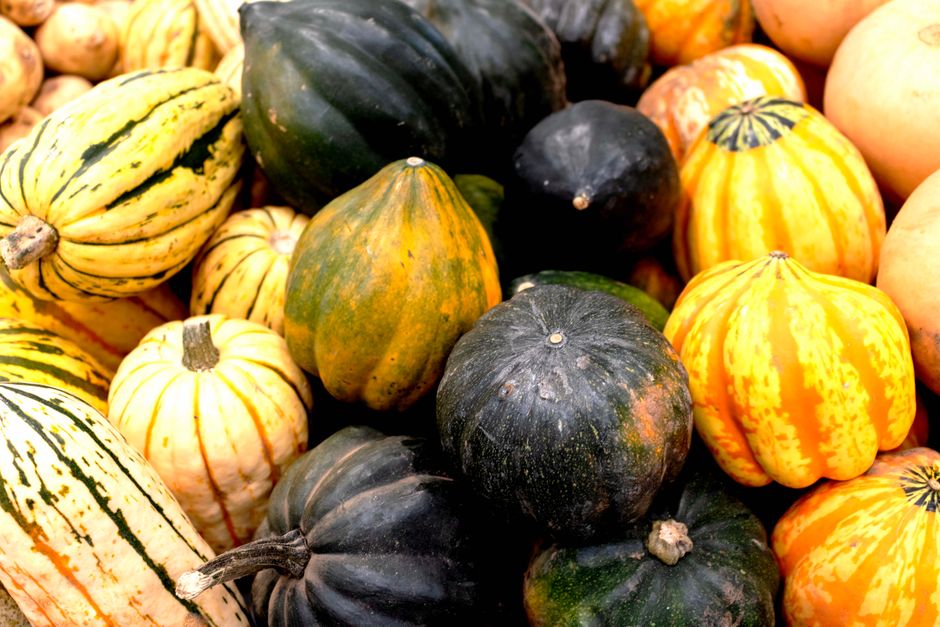
You can eat acorn squash skin, but most people choose not to because the skin is tough and has a bitter taste. The skin is technically safe to eat and contains fiber, but it does not soften the same way the flesh does when cooked. Roasting is the best method if you want to try eating it, as the high heat makes the skin more palatable than boiling or steaming.
Is Acorn Squash Skin Safe to Eat?
The skin of acorn squash is safe to eat. It is not toxic, and it will not make you sick. The main issue is texture and flavor, not safety.
Acorn squash skin is much thicker and tougher than the skin on zucchini or yellow summer squash. When cooked, the flesh becomes soft and creamy, but the skin remains firm and fibrous. Some people find this unpleasant to chew. Others describe a slightly bitter or astringent taste that comes from the skin’s natural compounds.
If you have digestive sensitivities, the high fiber content in the skin may cause gas or bloating. This is not harmful, but it can be uncomfortable for some people. For most healthy adults, eating the skin is a personal preference rather than a health risk.
What Happens to the Skin When You Cook It?
The way you cook acorn squash changes how the skin behaves. Roasting at high heat for a long time makes the skin noticeably more tender. The dry heat of the oven breaks down some of the tough fibers in the skin, making it easier to chew.
Boiling or steaming does not have the same effect. These moist-heat methods soften the flesh quickly, but the skin stays tough and rubbery. If you boil acorn squash and try to eat the skin, you will likely find it chewy and unpleasant.
Microwaving is somewhere in between. The skin becomes softer than raw, but it does not reach the tenderness that roasting achieves. Sautéing or pan-frying also leaves the skin fairly firm.
Here is a quick guide to how the skin responds to different cooking methods:
- Roasting: Best option. Skin becomes more tender and slightly caramelized.
- Air frying: Similar to roasting. Good results if cooked long enough.
- Microwaving: Skin softens somewhat but stays chewy.
- Boiling or steaming: Skin remains tough. Not recommended if you want to eat it.
- Sautéing: Skin stays firm. The flesh may overcook before the skin softens.
Nutritional Value of the Skin
Acorn squash skin is mostly fiber. A single cup of cooked acorn squash provides a meaningful amount of dietary fiber, and leaving the skin on increases that amount. Fiber supports digestion and helps you feel full after a meal.
The skin also contains antioxidants, including beta-carotene and other carotenoids. These compounds give winter squash their orange and yellow colors. The skin has a higher concentration of some of these nutrients than the flesh, simply because the skin is more exposed to light and environmental stress.
That said, the nutritional difference is not dramatic. Eating the skin adds fiber and some antioxidants, but it is not a major nutritional change. If you enjoy the skin, keep it on. If you prefer to peel it, you are not missing out on a critical nutrient source.




Can You Eat Acorn Squash Skin? Truth About Pesticides and Washing
Like all produce, acorn squash may carry pesticide residue on its skin. Washing the squash thoroughly under running water before cooking removes most surface residue. Scrub the skin with a vegetable brush if you plan to eat it.
Wax coatings are another consideration. Some commercially grown winter squash are coated with a food-grade wax to prevent moisture loss during storage. This wax is safe to eat, but it can trap dirt and residue. Washing removes the wax and whatever is trapped underneath.
If you buy organic acorn squash, the pesticide concern is lower, but washing is still recommended. Organic produce can still carry soil, bacteria, and other contaminants from the field.
One important note: always wash the outside of the squash before you cut it, even if you plan to peel it. When you cut through the skin with a knife, the blade can push surface bacteria into the flesh.
How to Make Acorn Squash Skin Taste Better
If you want to try eating the skin, the right preparation makes a difference. Slice the squash into wedges or rings rather than cooking it whole. Thinner pieces allow the skin to cook more evenly and become more tender.
Roast the squash at 400°F (200°C) or higher for at least 40 minutes. The longer cooking time gives the skin time to break down. A light coating of oil helps the skin crisp up rather than dry out. Salt and pepper improve the flavor of both the skin and the flesh.
Some people find that the skin tastes better when the squash is roasted with a sweet or savory glaze. Maple syrup, brown sugar, or balsamic vinegar can balance the bitterness. Spices like cinnamon, nutmeg, or chili powder also help mask the skin’s natural sharpness.
Another option is to stuff acorn squash halves and bake them. The extended baking time softens the skin more than quick cooking methods. Even then, many people still choose to scoop out the flesh and leave the skin behind.
When You Should Not Eat the Skin
There are a few situations where eating the skin is not a good idea. If you have difficulty chewing or swallowing, the tough skin can be a choking hazard. Older adults with dental issues or young children may find the skin too hard to manage.
People with certain digestive conditions, such as inflammatory bowel disease or diverticulitis, may need to avoid high-fiber foods during flare-ups. The skin is particularly fibrous and could cause irritation. If you have a digestive condition, talk to your doctor or a registered dietitian about whether acorn squash skin is appropriate for you.
If the squash skin shows any signs of damage, mold, or soft spots, cut those areas away. The skin can harbor mold spores that are not visible to the naked eye. A squash with extensive mold or rot should be discarded entirely.
How Acorn Squash Skin Compares to Other Squash
Not all squash skins are the same. Delicata squash has thin, tender skin that is commonly eaten. Kabocha squash has a firmer skin that is edible but often removed. Butternut squash has a very hard, thick skin that is almost always peeled.
Acorn squash falls in the middle. Its skin is firmer than delicata but softer than butternut. The ridges and grooves in acorn squash skin also make it harder to peel cleanly, which is one reason some cooks simply roast it with the skin on and serve it that way.
If you are looking for a squash where the skin is genuinely enjoyable to eat, delicata is the better choice. If you only have acorn squash, roasting is your best bet for making the skin palatable.
Frequently Asked Questions
Is acorn squash skin poisonous?
No, acorn squash skin is not poisonous and is safe to eat.
Does acorn squash skin soften when cooked?
Roasting softens the skin somewhat, but it stays firmer than the flesh.
Can you peel acorn squash before cooking?
Yes, but the skin is hard to peel when raw. Roasting first and then scooping out the flesh is often easier.
Is acorn squash skin good for you?
The skin adds fiber and antioxidants to your meal, but the nutritional difference is modest.
