
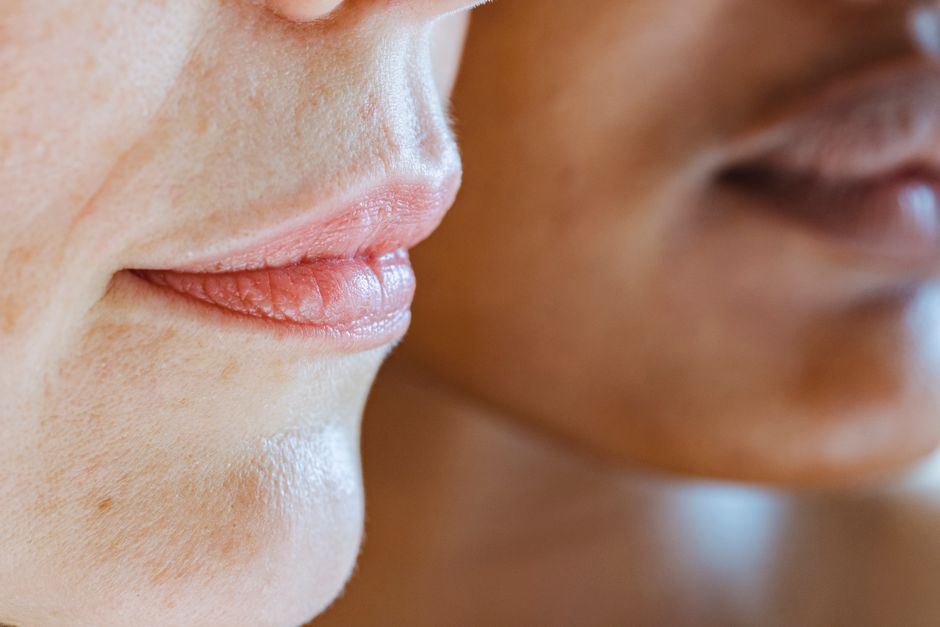
Yes, you can apply retinol to your lips, but the lips are one of the most sensitive and thinnest areas of skin on the body. That makes the risk of irritation, peeling, and burning higher here than almost anywhere else on your face. Most dermatologists would say the lips are not the best place to start with a retinol product, and some would say skip them entirely.
The short version: retinol does have real effects on skin, including the lips. But lip skin behaves differently from the rest of your face. It has fewer oil glands, a thinner outer layer, and almost no melanin protection. That combination means retinol can help with texture and fine lines while also causing significant irritation in the same spot.
What Exactly Is Retinol and How Does It Work?
Retinol is a form of vitamin A. It belongs to a class of compounds called retinoids, which are used in dermatology for acne, fine lines, uneven pigmentation, and skin texture.
When you apply retinol to skin, your body converts it in steps to retinoic acid, the active form. Retinoic acid changes how skin cells grow and turn over. It speeds up the shedding of dead cells and influences collagen production over time. These effects are well established and are the basis for prescription retinoids like tretinoin.
Retinol is weaker than prescription retinoids. It is available over the counter and takes longer to show results. It is also generally less irritating than tretinoin, though “less irritating” does not mean gentle — especially on lip skin.
The key point: retinol does not work instantly. Changes in skin cell turnover and collagen take weeks to months to become visible. Anyone expecting overnight results will be disappointed and may overapply, which increases irritation risk.
Why Are Lips More Sensitive to Retinol Than the Rest of Your Face?
Lip skin is structurally different from the skin on your cheeks or forehead. Understanding this explains why retinol hits harder here.
- Thinner outer layer. The stratum corneum — the protective top layer — is much thinner on the lips.
- Fewer oil glands. Sebaceous glands are almost absent on the lips compared to the rest of the face. Oil helps buffer and protect skin.
- Less melanin. Melanin provides some protection from irritation and UV damage. Lip skin has very little.
- Constant movement and moisture exposure. Talking, eating, and licking keep lips in a state of friction and wet-dry cycling.
- No hair follicles in the red part of the lip. Retinoids interact with follicular tissue, and the visible lip lacks it.
Because of this anatomy, the same retinol product that feels fine on your forehead can cause stinging, redness, and peeling on your lips. This is not a sign the product is working harder. It is a sign the skin barrier is being overwhelmed.
Can I Use Retinol On My Lips? Side Effects Explained
The most common side effects of retinol on the lips are dryness, flaking, redness, stinging, and a raw or cracked feeling. These are the same side effects seen elsewhere on the face, but they tend to appear faster and feel more intense on lip tissue.
This reaction is sometimes called “retinization.” It is a period of adjustment that typically improves as skin adapts, though not everyone adapts, and some people never tolerate retinoids on the lips at all.
More serious concerns include:
- Cheilitis. This is inflammation of the lips. It can cause painful cracking, swelling, and sores, particularly at the corners of the mouth.
- Barrier damage. Repeated irritation can break down the lip’s protective barrier, making it more vulnerable to infection and further irritation.
- Increased sun sensitivity. Retinoids make skin more sensitive to ultraviolet light. Lips already receive high sun exposure and have little melanin protection.
- Worsening of existing lip conditions. If you have eczema, psoriasis, or a history of cold sores, retinol can aggravate the area.
One clarification worth making: retinol does not cause the lips to “purge” the way it can cause acne to flare initially on the face. Purging is tied to follicular acne. The visible lip has no follicles, so any breakout-like reaction there is irritation, not purging. If you see bumps or sores on your lips after starting retinol, that is a sign to stop, not push through.





Does Retinol Actually Help Lip Lines and Lip Texture?
The evidence for retinoids improving fine lines and skin texture comes mainly from studies on facial skin, not specifically on lips. Retinoids are well established for photoaging on the face. Whether those same benefits apply to lip lines is less directly studied.
Some dermatologists do recommend retinoids for the lines around the mouth, often called smile lines or perioral lines. These lines sit on regular facial skin, not the lip itself, and that skin tolerates retinoids better. Many of the “lip line” improvements people report may come from treating the skin around the lips rather than the lip surface.
For the lip surface itself, the evidence is thinner. No large, well-controlled trials have confirmed that retinol applied directly to lip skin meaningfully reduces lip lines or improves lip texture. That does not mean it cannot help, but it means the claim is not strongly supported.
What does have clearer support for lip appearance is consistent moisturizing and sun protection. Lips lose moisture easily, and dryness makes lines look deeper. A good lip balm and daily SPF lip product often produce visible improvement without irritation risk.
How Do People Use Retinol on Their Lips Without Irritation?
If someone chooses to try retinol on the lips, the general approach clinicians describe is to start slowly and buffer the skin. This is common practice rather than a strictly evidence-based protocol, so treat it as a reasonable strategy, not a guarantee.
- Start with a low-strength retinol product, not a prescription retinoid.
- Apply only a tiny amount, and only every few nights at first.
- Apply a plain lip balm or moisturizer first, then retinol on top — this is called buffering.
- Avoid applying to the corners of the mouth, which crack easily.
- Do not use retinol on lips that are already dry, cracked, or sunburned.
- Use daily sun protection on the lips, since retinoids increase sun sensitivity.
- Stop if you get persistent stinging, peeling, or sores.
Many people find that even with careful use, their lips simply do not tolerate retinol. That is a normal outcome, not a failure. The lips are not required to be treated with retinol for good lip care.
Who Should Avoid Retinol on the Lips?
Some groups should not use retinol on their lips at all.
Anyone who is pregnant or breastfeeding should avoid retinoids unless a clinician specifically directs otherwise. Systemic absorption from small areas like the lips is expected to be low, but the standard guidance is caution, and this is a case where following established guidance matters more than reasoning from absorption estimates.
People with active cold sores, cracked lips, eczema, or any open sore on the lips should not apply retinol there. It will likely worsen the irritation and slow healing.
Anyone with very sensitive skin, a history of rosacea, or known retinoid intolerance should be cautious. A patch test on a small area, such as behind the ear, can help gauge tolerance before applying to the lips.
If you are unsure, a dermatologist can assess your lip skin and tell you whether retinol makes sense for your situation. That is a more reliable answer than any general article, including this one.
Are There Better Alternatives for Lip Care?
For most people, the most effective lip care does not involve retinol at all. It involves protecting and moisturizing the lip barrier.
Lip balms with occlusive ingredients like petrolatum, shea butter, or ceramides help seal in moisture. Avoiding lip licking matters, since saliva evaporates and leaves lips drier. Daily SPF lip products protect against the UV damage that contributes to lip aging and skin cancer risk on the lip.
For people specifically concerned about lip lines, treatments like hyaluronic acid fillers are used by clinicians for volume loss around the mouth. These are medical procedures with their own risks and should be discussed with a qualified provider, not self-administered.
If the goal is smoother, healthier-looking lips, consistent moisture and sun protection will do more for most people than retinol, with far less risk of irritation.
Frequently Asked Questions
Can I put retinol directly on my lips?
You can, but lip skin is thinner and more sensitive than facial skin, so irritation is more likely. Many dermatologists suggest avoiding retinol on the lip surface and treating only the skin around the mouth.
What are the side effects of retinol on lips?
Common side effects include dryness, peeling, redness, stinging, and cracking. More serious reactions include cheilitis, which is painful inflammation of the lips that may need medical care.
Does retinol help with lip lines?
Evidence for retinoids improving fine lines comes mainly from facial skin studies, not lip skin specifically. No large trials have confirmed that retinol applied directly to the lips reduces lip lines.
Should I stop using retinol on my lips if they peel?
Yes. Peeling, persistent stinging, or sores are signs the lip barrier is being irritated, and continuing can make it worse. Stop the product and let the lips heal before deciding whether to try again.
