
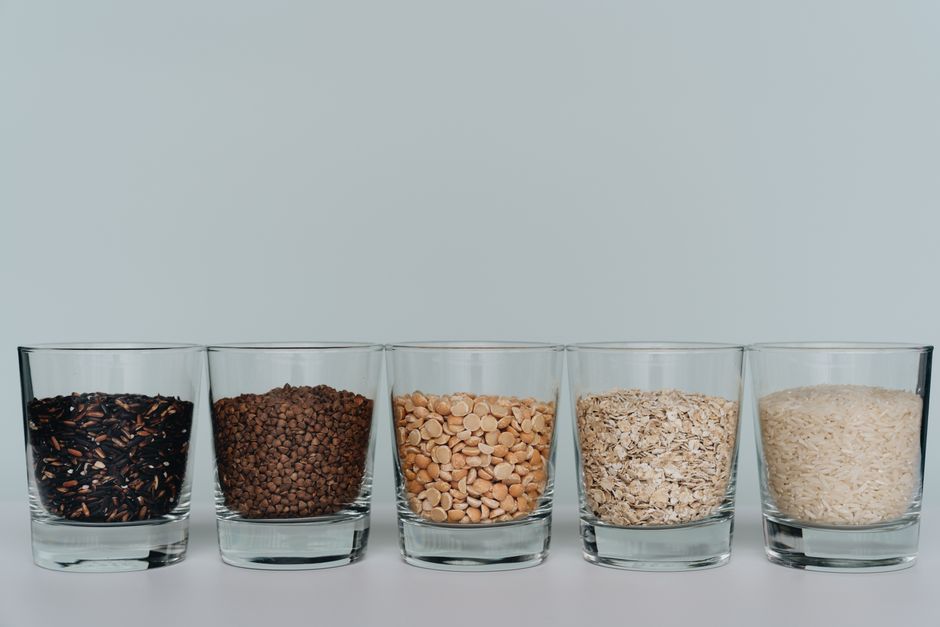
White rice is not inherently bad for you, but it is a refined grain that has been stripped of its most nutritious parts. The real issue is that eating large amounts of white rice regularly can lead to blood sugar spikes and may leave you missing out on important nutrients and fiber. For most people, the problem is not the rice itself, but how much of it they eat, what they eat it with, and how often it replaces whole grains.
What Happens to Rice When It Becomes White?
All rice starts as whole grain brown rice. The grain has three layers: the bran, the germ, and the endosperm. Brown rice keeps all three layers intact. White rice is milled to remove the bran and the germ, leaving only the starchy endosperm.
This milling process changes the nutritional profile significantly. The bran and germ contain most of the fiber, vitamins, and minerals. When they are removed, the rice becomes mostly starch. It also extends the shelf life and makes the rice cook faster, which is why white rice became so popular worldwide.
Some white rice is “enriched.” This means some B vitamins and iron are sprayed back onto the grain after milling. However, the fiber that was removed cannot be added back. Enrichment does not restore the grain to its original nutritional state.
Why Is White Rice Bad For You? The Blood Sugar Problem
The main concern with white rice is its effect on blood sugar. Because the fiber has been removed, your body digests white rice very quickly. The starch breaks down into glucose rapidly and enters your bloodstream fast.
This causes a sharp rise in blood sugar followed by a quick drop. Over time, frequent blood sugar spikes can strain your body’s ability to produce insulin. This is particularly relevant for people with prediabetes or type 2 diabetes.
Studies have consistently shown that replacing white rice with brown rice improves blood sugar control. A well-known research project following over 190,000 people found that eating five or more servings of white rice per week was associated with a higher risk of type 2 diabetes. The same study found that swapping just one-third of a serving of white rice for brown rice each day reduced that risk.
This does not mean one serving of white rice will harm you. It means the pattern matters. If you eat white rice daily in large portions, your blood sugar management will be harder than if you choose whole grains.
What White Rice Is Missing: Fiber and Nutrients
Fiber is the most significant nutrient lost when rice is milled. A cup of cooked white rice has less than one gram of fiber. The same amount of cooked brown rice has about three grams. Fiber slows digestion, keeps you full longer, and feeds the beneficial bacteria in your gut.
Without fiber, white rice is less satisfying. You may eat more before feeling full. This can contribute to eating more calories overall, which matters for weight management.
White rice also loses significant amounts of magnesium, phosphorus, and potassium during milling. Magnesium is involved in over 300 bodily processes, including blood sugar regulation and muscle function. Many Americans already do not get enough magnesium in their diets, and choosing white rice over brown makes that gap wider.
Some research suggests that diets high in refined grains are linked to higher levels of inflammation. Whole grains like brown rice have been associated with lower inflammation markers. The exact mechanism is not fully proven, but the pattern appears consistent across multiple studies.





Arsenic in Rice: A Separate Concern
Rice has a unique issue that other grains do not. It absorbs arsenic from the soil more readily than most crops. Arsenic is a naturally occurring element, but it is also a known carcinogen at high exposure levels.
Both white and brown rice contain arsenic, but brown rice contains more. This is because arsenic accumulates in the bran, which is the part removed to make white rice. This creates a complicated trade-off: brown rice has more fiber and nutrients but also more arsenic.
Health authorities have set limits for arsenic in infant rice cereal, but there are no specific federal limits for regular rice. The general guidance is to vary your grains. Do not make rice your only grain source, and rinse rice thoroughly before cooking to remove some surface arsenic.
Cooking rice in excess water and draining it, like pasta, can remove a significant portion of the arsenic. This method is common in some cultures and reduces arsenic content more than the standard absorption method.
Is White Rice Bad for Weight Loss?
White rice is not a weight-loss food, but it is not a weight-gain food either. Weight change comes down to total calories, not a single food. However, white rice makes weight management harder for two reasons.
First, it is calorie-dense but not filling. You can eat a large portion of white rice without feeling very full because it lacks fiber and protein. This makes it easy to overeat. Second, the rapid blood sugar spike followed by a crash can trigger hunger soon after eating.
Portion size is the key factor. A standard serving of cooked rice is half a cup, which is about 100 calories. Many restaurant servings are two to three times that amount. If you eat white rice in reasonable portions alongside protein and vegetables, it can fit into a weight-loss plan. The problem arises when rice is the largest part of the meal.
When White Rice Is the Better Choice
There are situations where white rice is actually the preferred option. People with digestive conditions like irritable bowel syndrome or Crohn’s disease often tolerate white rice better than brown rice. The low fiber content makes it easier on an inflamed or sensitive digestive tract.
White rice is also the standard recommendation for recovery from food poisoning or stomach flu. The bland, easily digestible nature helps settle the stomach without adding stress. This is part of the BRAT diet, which stands for bananas, rice, applesauce, and toast.
Athletes may also choose white rice before or after intense training. The quick-digesting carbohydrates provide rapid energy without the bulk of fiber, which can cause stomach discomfort during exercise. This is a performance choice, not a health superiority claim.
How to Make White Rice Healthier
If you enjoy white rice, you do not need to eliminate it completely. You can change how you eat it to reduce the negative effects.
Pair white rice with protein and vegetables. The protein and fiber from vegetables slow down digestion and blunt the blood sugar spike. A meal of white rice alone is much harder on your blood sugar than white rice with chicken and broccoli.
Cool cooked white rice before eating it. This is not a myth. When cooked rice cools, some of the starch transforms into resistant starch. Resistant starch acts like fiber because your body cannot digest it. Reheating the rice does not completely undo this change. This simple step makes white rice slightly better for blood sugar and gut health.
Mix white rice with brown rice or other whole grains. A half-and-half blend gives you some of the fiber and nutrients while keeping the texture you enjoy. This is an easy transition if you find brown rice too chewy or strong-tasting.
Watch your portion size. Keep rice to about a quarter of your plate. Fill the rest with vegetables and a palm-sized portion of protein. This balances the meal without making you give up rice entirely.
Frequently Asked Questions
Is white rice worse than pasta or bread?
White rice, white pasta, and white bread are all refined grains with similar effects on blood sugar. None is significantly worse than the others, and all lack the fiber found in their whole-grain versions.
How much white rice is safe to eat per week?
No official limit exists for white rice consumption in healthy adults. Research links five or more servings per week to higher diabetes risk, so keeping it to a few servings weekly is a reasonable approach.
Does rinsing rice remove arsenic?
Rinsing removes some surface arsenic but not all of it. Cooking rice in excess water and draining it removes more arsenic than rinsing alone, though this method also removes some nutrients.
Is brown rice always healthier than white rice?
Brown rice has more fiber, vitamins, and minerals, but it also contains more arsenic. For most people, brown rice is the healthier choice, but people with digestive issues may tolerate white rice better.
