
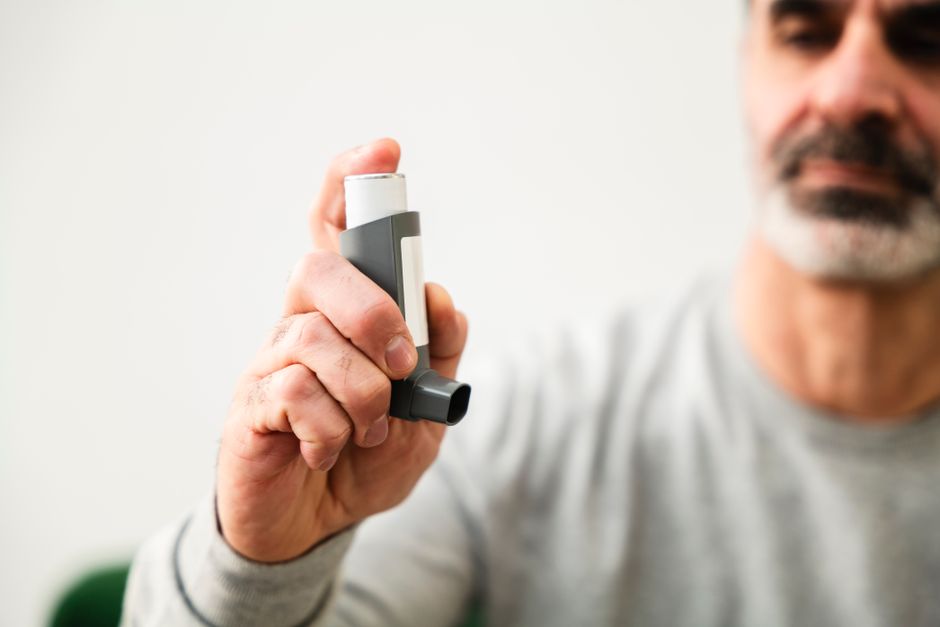
If you have asthma or COPD and test positive for COVID-19, you might wonder whether your albuterol inhaler is safe to use. The short answer is yes, you can use your albuterol inhaler if you have COVID-19, and in many cases, it is recommended. Albuterol is a rescue inhaler that opens your airways. It does not treat the virus itself, but it can help with breathing symptoms COVID-19 can trigger, especially in people with underlying lung conditions. You should not stop using your prescribed inhaler unless your doctor specifically tells you to.
Does Albuterol Help With COVID-19 Breathing Problems?
Albuterol is a bronchodilator. It relaxes the muscles around your airways so they open wider. This makes it easier to move air in and out of your lungs. COVID-19 can cause inflammation in the lungs and airways, which can feel similar to an asthma attack. Using albuterol can relieve that tightness and wheezing.
Research published in The Lancet Respiratory Medicine in 2020 found that people with asthma who caught COVID-19 did not have worse outcomes than people without asthma, as long as they kept using their controller and rescue medications. The American Academy of Allergy, Asthma & Immunology also advises that people with asthma continue their inhalers during COVID-19 illness. Albuterol will not kill the virus or shorten your illness, but it can make breathing more comfortable.
One important distinction: albuterol treats symptoms in the large airways. COVID-19 often affects the small air sacs called alveoli deeper in the lungs. If your oxygen levels drop or you develop pneumonia, albuterol alone will not fix that. Severe shortness of breath from COVID-19 needs medical attention, not just an inhaler.
Can I Use My Albuterol Inhaler If I Have Covid Without a Doctor’s Approval?
If you already have a prescription for albuterol, you do not need a new one to use it during COVID-19. Your existing prescription covers this situation. Use it exactly as your doctor told you to before you got sick. For most people, that is two puffs every four to six hours as needed for symptoms.
Do not increase the dose or frequency on your own. Using albuterol more than your doctor prescribed can cause side effects like a racing heart, shaking hands, or low potassium levels. The National Institutes of Health COVID-19 treatment guidelines state that inhaled bronchodilators can be used for wheezing or shortness of breath in people with COVID-19, but they do not recommend routine use for all patients. Only use it if you actually need it for breathing symptoms.
If you have never used albuterol before and think you need it, contact a doctor. Do not borrow someone else’s inhaler. That is unsafe because the dose may not be right for you, and you could have an allergic reaction to the medication or the propellant.
What Does Research Show About Albuterol and COVID-19 Outcomes?
Several studies have looked at whether albuterol specifically changes COVID-19 outcomes. A 2021 study in The Journal of Allergy and Clinical Immunology: In Practice tracked over 800 people with asthma who had COVID-19. Those who continued using their albuterol as needed did not have higher rates of hospitalization or death compared to those who did not use it. The study concluded that albuterol is safe and does not worsen COVID-19.
Some early speculation suggested that inhaled steroids might suppress the immune system and make COVID-19 worse. That concern has been disproven. The same study found that using inhaled corticosteroids, which are common controller medications for asthma, was also safe. The CDC now lists asthma as a condition that can increase risk for severe COVID-19, but only if it is poorly controlled. Using albuterol appropriately helps keep your asthma under control.
There is no evidence that albuterol prevents COVID-19 infection or reduces viral load. It treats symptoms only. If you have mild COVID-19 and your breathing is fine, you do not need to use your inhaler just because you are sick. Only use it when you feel chest tightness, wheezing, or shortness of breath.



When Should You Not Rely on Albuterol for COVID-19?
Albuterol is not a treatment for severe COVID-19 pneumonia. If your oxygen saturation drops below 92 percent on a pulse oximeter, or if you cannot speak full sentences without gasping, you need emergency care. Albuterol will not fix low oxygen levels caused by lung inflammation or fluid in the air sacs.
Watch for these warning signs that albuterol is not enough:
- Your albuterol does not relieve your shortness of breath after two treatments spaced 20 minutes apart
- You have chest pain or pressure that does not go away
- Your lips or fingernails turn blue or gray
- You feel confused or cannot stay awake
Some people with COVID-19 develop a condition called silent hypoxia, where oxygen levels drop without feeling short of breath. If you have a pulse oximeter at home, check it regularly. If it shows 92 percent or lower, seek medical help even if you feel okay. Albuterol will not raise your oxygen in this situation.
Also, do not use albuterol if you are allergic to it or to any ingredient in the inhaler. Allergic reactions are rare but can include rash, hives, or swelling of the face and throat. If that happens, stop using it and call a doctor immediately.
How to Use Your Albuterol Inhaler Safely During COVID-19
Using an inhaler during a respiratory infection requires a few extra steps. First, always use a spacer if you have one. A spacer helps the medication reach your lungs instead of getting stuck in your mouth and throat. This is especially important when your airways are inflamed from COVID-19 because you may not breathe in as forcefully.
Second, clean your inhaler mouthpiece after each use. The virus can live on plastic surfaces for hours. Wipe the mouthpiece with an alcohol wipe or a cloth with soap and water. Do not share your inhaler with anyone else in your household, even if they also have asthma.
Third, keep using your controller inhaler if you have one. Controller medications like inhaled corticosteroids reduce airway inflammation over time. Stopping them can make your asthma flare up and make COVID-19 harder to manage. The Asthma and Allergy Foundation of America strongly advises continuing all routine asthma medications during COVID-19 illness.
| Inhaler Type | Purpose | Use During COVID-19 |
|---|---|---|
| Albuterol (rescue) | Relieves sudden symptoms | Use as needed for wheezing or shortness of breath |
| Inhaled corticosteroid (controller) | Reduces airway inflammation over time | Continue daily as prescribed |
| Combination inhaler (steroid + long-acting bronchodilator) | Daily control and prevention | Continue daily as prescribed |
Do not stop any prescribed inhaler without talking to your doctor. Abruptly stopping controller medications can trigger a severe asthma attack on top of COVID-19, which is dangerous.
Common Misconceptions About Albuterol and COVID-19
One widespread myth is that albuterol can prevent COVID-19 or treat the virus itself. This is false. Albuterol is a bronchodilator, not an antiviral. It has no effect on the SARS-CoV-2 virus. Some people report that using their inhaler made them feel better, but that is because it opened their airways, not because it fought the infection.
Another misconception is that using albuterol will suppress your immune system and make COVID-19 worse. This is also false. Albuterol works locally in your lungs and does not affect your immune system’s ability to fight the virus. Inhaled corticosteroids, which are different medications, have been studied extensively and do not increase COVID-19 severity either.
Some people believe that if albuterol does not fully relieve their shortness of breath, they must be having a panic attack. While anxiety can cause shortness of breath, COVID-19 can cause real oxygen problems. If your inhaler does not help, do not assume it is anxiety. Check your oxygen level and call a doctor.
Finally, there is no evidence that using a nebulizer for albuterol during COVID-19 is more dangerous than using a metered-dose inhaler. Both deliver the same medication. The concern about nebulizers spreading the virus through aerosol is theoretical and has not been shown to cause infections in real-world studies. If your doctor has prescribed a nebulizer, use it as directed.
Frequently Asked Questions
Can I use my albuterol inhaler if I have COVID-19 and no asthma?
If you do not have asthma or a lung condition, albuterol is not recommended. It will not help with COVID-19 symptoms unless you have wheezing or airway narrowing.
How often can I use my albuterol inhaler with COVID-19?
Use it as your doctor prescribed, typically two puffs every four to six hours as needed. Do not exceed the dose on your prescription label without medical advice.
Should I stop my daily controller inhaler if I have COVID-19?
No. Continue your controller inhaler exactly as prescribed. Stopping it can cause your asthma to flare and make COVID-19 harder to manage.
Can albuterol make COVID-19 worse?
No. Research shows albuterol is safe to use during COVID-19 and does not worsen the infection. It only treats breathing symptoms.
