
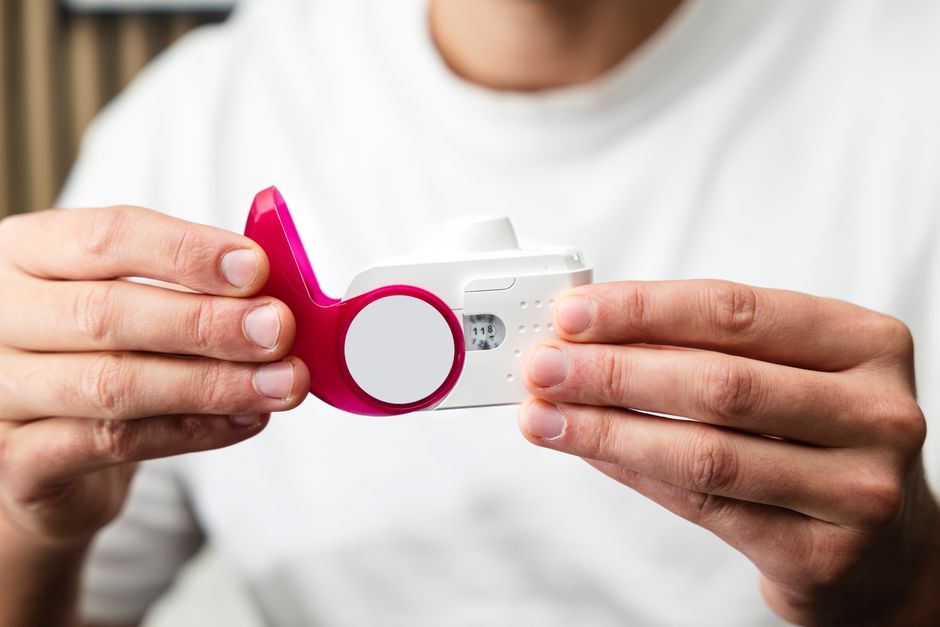
A pulmonary function test measures how well your lungs move air in and out. To get numbers your doctor can trust, you need to show up ready to give a full, honest effort. That means no smoking for at least an hour before, no heavy meal right beforehand, no tight clothing, and skip caffeine on test day if your clinic asks you to.
Those few rules matter more than most people realize. The test depends on your effort and on conditions staying steady, so small choices in the hours before can change your results. This guide explains what to avoid and why, so your numbers reflect your real lung function.
What Not To Do Before A Pulmonary Function Test?
The short answer is to avoid anything that changes how your airways behave or how hard you can breathe. Smoking, a large meal, tight clothing, and caffeine can all interfere. So can skipping your regular medications unless your doctor told you to.
The test itself is simple. You breathe into a mouthpiece connected to a machine. For spirometry, the most common type, you take a deep breath in and then blow out as hard and as long as you can. The machine records how much air you move and how fast.
Because the test depends on your effort, the staff usually repeat the breathing maneuvers a few times. They want consistent results. Anything that makes your breathing worse or better than usual on test day can throw off the reading.
Here is the key idea. A pulmonary function test is a snapshot. Your job is to make that snapshot look like a normal day for your lungs, not your best day and not your worst.
Should You Smoke Before a Pulmonary Function Test?
No. Smoking right before the test tightens your airways and can make your results look worse than they really are. Most clinics ask you to avoid smoking for at least an hour before testing, and some ask for longer.
Smoking irritates the lining of your airways and causes them to narrow, at least for a while. If you smoke an hour before the test, the machine may record obstruction that is partly from that recent cigarette, not from your underlying lung condition.
This matters for diagnosis. Doctors use these numbers to tell the difference between conditions like asthma and COPD, and to judge how well treatment is working. A misleading result can lead to the wrong conclusion.
If you smoke, be honest with the technician about when your last cigarette was. They are not there to judge you. They need that information to interpret your results correctly.
Can You Eat Before a Pulmonary Function Test?
You can eat, but timing matters. A large meal within about two hours of the test can make it harder to breathe deeply and can cause discomfort.
A full stomach pushes up on the diaphragm, the main muscle you use to breathe. That can limit how much air you can pull in. For some people, a heavy meal also causes bloating or reflux, which makes the forced breathing maneuvers uncomfortable.
The practical approach is to eat a light meal a couple of hours before, or follow whatever your clinic tells you. If you have diabetes or another condition that affects when you eat, ask the clinic how to handle it. Do not skip a meal you need just to take this test.

Does Caffeine Affect Pulmonary Function Test Results?
Caffeine can affect the test, so many clinics ask you to skip it on the day of testing. Caffeine is a mild stimulant and can relax the smooth muscle in your airways, which may slightly change your results.
Some research suggests caffeine can modestly improve certain breathing measurements in people with asthma. That is exactly the problem. If caffeine opens your airways even a little, the test may not show how your lungs behave on a normal day.
Caffeine also appears in more than coffee. Tea, soda, energy drinks, and some pain relievers contain it. If your clinic asks you to avoid caffeine, read labels so you are not getting it without knowing.
Follow your clinic’s instructions here. If they do not mention caffeine, it is reasonable to ask before test day.
Should You Stop Your Breathing Medications Before the Test?
Only if your doctor specifically tells you to. Never stop a breathing medication on your own before a pulmonary function test.
Doctors sometimes want to see how your lungs work without the effect of certain medicines. In that case they will give you clear instructions about which ones to hold and for how long. Other times they want to see how well your current treatment is working, and you should take your medicine as usual.
These two situations call for opposite actions, which is why the instructions have to come from your own doctor. Guessing can give a misleading result or, worse, leave you without a medicine you need.
Bring a list of everything you take, including inhalers, pills, and anything over the counter. Hand it to the technician. That list helps them interpret your results and catch any conflicts.
What Else Can Throw Off Your Results?
Several everyday things can change your numbers. Knowing them ahead of time helps you avoid a wasted test or a repeat visit.
- Tight clothing. A snug belt, bra, or shirt can restrict how deeply you breathe. Wear loose, comfortable clothing.
- Heavy exercise right before. A hard workout can change your breathing for a while. Take it easy on test day.
- Alcohol. Drinking can affect your effort and coordination. Avoid it before testing.
- Not getting enough sleep. Being exhausted makes it hard to give a full effort.
- A cold or active infection. Being sick can change your results. Tell the clinic if you are unwell. They may want to reschedule.
One thing people often overlook is effort. The test is only as good as how hard you try. If you are distracted, in pain, or not fully committed to the breathing maneuvers, the numbers will not reflect your true lung function. Listen closely to the technician and follow their coaching.
How Should You Prepare the Day Before?
Most of the preparation is simple and starts the day before. The goal is to arrive rested, comfortable, and ready to breathe with full effort.
Get a good night’s sleep. Drink water as you normally would, since dehydration can leave you feeling off. Avoid a big, heavy dinner late at night if it tends to leave you bloated or short of breath.
Plan your clothing. Loose-fitting tops and pants are best. Skip tight belts and restrictive undergarments.
Confirm your medication instructions with the clinic if you are unsure. Ask about caffeine and food if they have not told you. A quick phone call can save you a repeat test.
On the day itself, arrive a little early so you are not rushed. Being calm and unhurried helps you breathe more steadily. Tell the technician about any recent illness, your smoking, and your medications.
What Happens During and After the Test?
The test is not painful, but it can be tiring. You will likely repeat the breathing maneuvers several times, and the technician will coach you to blow harder and longer.
Some people feel lightheaded or a bit short of breath during the test. That usually passes quickly once you rest. If you feel faint, tell the technician right away.
You can normally eat, drink, and take your usual medications right after the test unless told otherwise. Your doctor will review the results and explain what they mean for your lungs and your treatment.
If your numbers look off, ask whether your preparation could have played a role. Sometimes a repeat test on a different day gives a clearer picture.
Frequently Asked Questions
Can I drink coffee before a pulmonary function test?
Many clinics ask you to skip caffeine on test day because it can slightly relax your airways and change your results. Follow your clinic’s instructions, and ask if they have not told you.
Should I take my inhaler before a pulmonary function test?
Take it only if your doctor tells you to. Some tests are done without certain medicines, while others are done with your normal treatment, so the instructions have to come from your doctor.
How long before the test should I stop smoking?
Most clinics ask you to avoid smoking for at least an hour before testing, and some ask for longer. Smoking right before can narrow your airways and make your results look worse than they are.
Can I eat before a pulmonary function test?
You can eat, but keep it light and finish a couple of hours before the test. A large meal can push on your diaphragm and make it harder to breathe deeply.
