
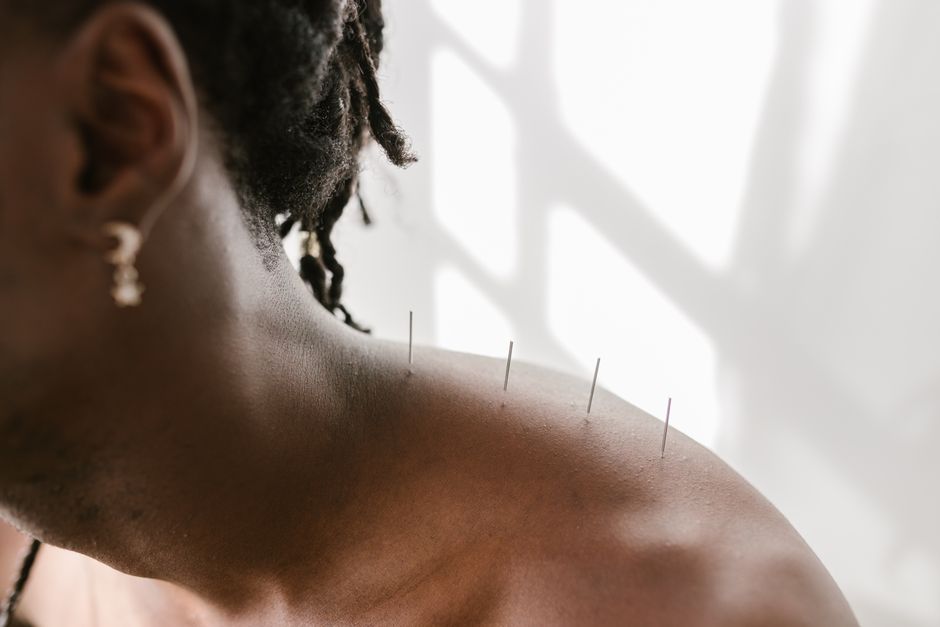
Acupuncture is one of the most common complementary therapies used alongside in vitro fertilization. The timing question has a practical answer: acupuncture is typically used in three distinct windows — in the weeks before a cycle starts, on the day of embryo transfer (before and after the procedure), and sometimes during the stimulation phase. Each window has a different purpose, and the evidence supporting each one is not equally strong.
Here is the short version. Acupuncture before IVF is generally used to prepare the body and manage stress in the weeks leading up to a cycle. Acupuncture on transfer day is the most studied timing, though results across trials have been mixed. Acupuncture during the stimulation phase is used by some clinics to support blood flow and reduce side effects, but the evidence here is thinner. No timing schedule has been shown to improve live birth rates with certainty.
When To Do Acupuncture For IVF Before During After: The Three Windows
Most research and clinical practice divides acupuncture around IVF into three periods. Understanding what each one is for helps you decide whether any of them make sense for you.
Before the cycle. This usually means weekly sessions for several weeks to a few months prior to starting medications. The goal is not to change your ovarian reserve or egg quality — no evidence shows acupuncture does that. The goal is to reduce stress, improve sleep, and help you feel more in control before a demanding medical process begins.
During stimulation. This is the phase when you are taking injectable hormones to grow multiple follicles. Some clinics offer acupuncture once or twice a week during this window. The stated aims are reducing anxiety and managing medication side effects like bloating or headaches. Evidence for effects on follicle development or egg quality is limited.
Around transfer day. This is the most researched window. A common protocol involves one session 25 minutes before embryo transfer and another 25 minutes after. This specific timing was used in some early studies that reported higher pregnancy rates, but later trials did not consistently reproduce those results.
Does Acupuncture On Embryo Transfer Day Actually Help?
The evidence is genuinely mixed. Some trials have reported higher clinical pregnancy rates when acupuncture was performed around the time of embryo transfer. Other trials, including larger and better-controlled ones, found no difference compared to sham acupuncture or no acupuncture at all.
When results conflict like this, researchers look for patterns. One pattern that emerged is that studies with stronger designs — sham controls, blinding, larger sample sizes — tended to show smaller or no effects. This does not prove acupuncture does nothing, but it does suggest the early positive findings may have been partly due to chance or to the strong placebo effect that any hands-on therapy produces.
What does this mean for you practically? Acupuncture on transfer day is unlikely to harm you. The procedure is generally considered low risk when performed by a qualified practitioner. But it is also not a proven way to improve your chances of a live birth. If you choose to do it, do it for reasons like relaxation or because it feels meaningful to you — not because it is a guaranteed boost.
One point that often gets lost: stress reduction itself matters. IVF is stressful. If acupuncture helps you feel calmer, that is a real benefit even if it does not change embryo implantation directly.
What About Acupuncture During Ovarian Stimulation?
Some studies have looked at acupuncture during the stimulation phase, when you are taking gonadotropins to produce multiple eggs. The proposed mechanisms include increased blood flow to the ovaries and modulation of the nervous system. These mechanisms are plausible but not proven to translate into better outcomes.
A few small trials suggested improvements in things like the number of retrieved eggs or fertilization rates. However, most of these studies were small, and larger trials have not consistently confirmed the findings. No strong evidence shows that acupuncture during stimulation improves live birth rates.
That said, some people find it helps with the physical discomfort of stimulation — the bloating, the injection-site soreness, the general feeling of being “off.” If that is your experience, the timing is reasonable as a comfort measure. Just be clear with yourself about what you are expecting from it.


Is There A Best Time To Start Acupuncture Before IVF?
There is no established best time to start. Some practitioners suggest beginning three months before a planned cycle, based on the roughly 90-day window of egg maturation. The idea is that acupuncture during this period could theoretically influence egg quality.
This is where biological reasoning outpaces evidence. The 90-day follicle development timeline is well established. What is not established is that acupuncture during that window changes anything about egg quality or chromosomal normality. No high-quality human trials have shown that.
A more honest framing: starting acupuncture a few weeks to a few months before your cycle gives you time to build a routine, see if you like it, and decide whether it is worth continuing. It does not give you a proven head start on egg quality.
If you are considering acupuncture before IVF, the practical questions are:
- Does it fit your schedule and budget without adding stress?
- Do you have a licensed practitioner with experience in fertility patients?
- Are you clear that this is supportive care, not a treatment for infertility itself?
What Does The Research Actually Show About Acupuncture And IVF?
Acupuncture for IVF has been studied for decades. The overall picture is that it is safe when done properly, but its effects on IVF outcomes are uncertain.
Several systematic reviews and meta-analyses have examined the question. Some reported a possible benefit for clinical pregnancy when acupuncture was done around embryo transfer. Others found no benefit when they restricted their analysis to higher-quality studies. The disagreement among reviews is itself informative — it means the effect, if real, is small and hard to detect.
Important context: “clinical pregnancy” means a pregnancy confirmed by ultrasound. It is not the same as live birth. Even in studies that reported higher clinical pregnancy rates, the effect on live birth was often not significant. Live birth is what matters most, and the evidence there is weak.
Another issue is the placebo problem. Acupuncture is a hands-on, time-intensive experience. People receiving it know they are receiving it. That makes it very hard to design a truly blinded study. Sham acupuncture — using needles at non-traditional points or retractable needles — is one attempt to control for this, but it is imperfect.
What Are The Risks And Practical Considerations?
Serious adverse events from acupuncture are rare when performed by a trained, licensed practitioner using sterile single-use needles. The most common side effects are minor: small bruises, mild soreness at needle sites, or feeling lightheaded.
The bigger risks are indirect. If acupuncture is presented as a substitute for evidence-based fertility treatment, that is a problem. It should be an add-on at most, not a replacement. If you are spending money you cannot afford on sessions that are not proven to help, that is a real cost even if it is not a medical one.
Also consider timing logistics. Transfer day is busy. Adding two acupuncture sessions around the procedure can be logistically difficult, especially if your clinic is not set up for it. Some clinics have acupuncturists on site; most do not.
If you have a bleeding disorder, are on blood thinners, or have a pacemaker, talk to your doctor before acupuncture. These are uncommon situations, but they matter for safety.
How Do You Decide What Timing Is Right For You?
There is no single correct schedule. The decision comes down to what you want from acupuncture and what the evidence supports.
If your goal is stress reduction and feeling supported during a difficult process, timing is flexible. Weekly sessions before and during your cycle, plus something around transfer day, is a common approach. The benefit here is about how you feel, which is legitimate.
If your goal is improving IVF success rates, the evidence does not support a specific timing protocol. Transfer-day acupuncture is the most studied, but the results are inconsistent. No schedule has been shown to reliably improve live birth rates.
A reasonable approach: talk to your fertility clinic. Ask whether they have any policies or preferences about acupuncture during your cycle. Some clinics are supportive; others prefer you avoid it during certain phases for scheduling or safety reasons. Their guidance should take priority over any general recommendation.
And be wary of anyone promising that acupuncture will make IVF work. No one can promise that. IVF success depends on many factors — age, egg quality, embryo quality, uterine factors — most of which acupuncture does not directly influence.
Frequently Asked Questions
When should I start acupuncture before IVF?
There is no established best time to start. Some practitioners suggest several weeks to a few months before your cycle, but no evidence shows this improves outcomes.
Is acupuncture on embryo transfer day worth it?
The evidence is mixed, with higher-quality studies generally showing little or no benefit for live birth. Many people still find it relaxing, which is a valid reason to do it.
Can acupuncture improve my IVF success rates?
No timing schedule has been shown to reliably improve live birth rates. Some studies suggest possible benefits for clinical pregnancy, but results are inconsistent and often not confirmed in larger trials.
Is acupuncture safe during IVF stimulation?
Acupuncture is generally considered low risk when performed by a licensed practitioner with sterile needles. Talk to your clinic first, since they may have specific guidance for your cycle.
