
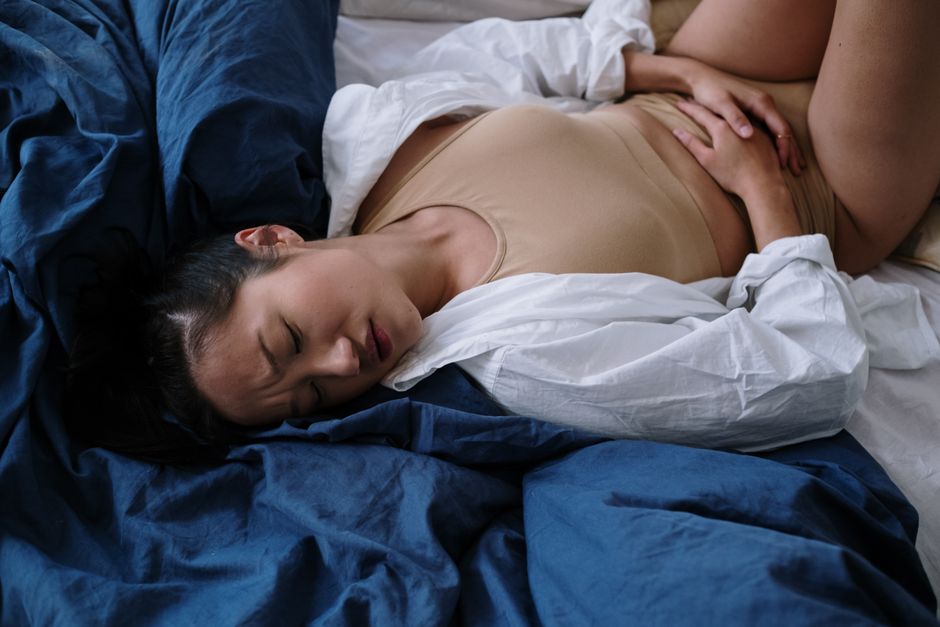
If you have ever found yourself running to the bathroom in the days just before your period starts, you are not imagining the connection. Diarrhea and other digestive changes are among the most commonly reported physical symptoms of premenstrual syndrome, or PMS. They are not universal — not everyone gets them — but they are common enough that researchers who study menstrual cycles treat bowel changes as a recognized premenstrual symptom rather than a coincidence.
The cause is not a stomach bug or something you ate. It comes down to hormones and the chemical messengers they influence, which act on the digestive tract in the same way they act on the uterus.
Is Diarrhea Common Before Your Period Heres Why
Research consistently shows that a meaningful share of menstruating people notice changes in bowel habits in the days before their period. The most frequently reported pattern is looser stools or more frequent bowel movements. Some people notice the opposite — constipation — and a smaller number notice both at different points in the cycle.
The reason traces back to a group of hormone-like compounds called prostaglandins. These are produced in the lining of the uterus and play a central role in menstruation. They cause the uterine muscle to contract, which helps shed the lining. That is the process behind menstrual cramps.
The catch is that prostaglandins do not stay in the uterus. They enter the bloodstream and can act on smooth muscle elsewhere, including the walls of the intestines. When prostaglandins reach the gut, they can speed up the muscular contractions that move waste through the bowel. Faster transit means less time for the colon to absorb water from stool. The result is looser, more urgent bowel movements.
Prostaglandin levels rise in the days leading up to your period and peak around the start of bleeding. That timing lines up almost exactly with when most people report digestive symptoms — a few days before and during the first day or two of flow.
How Hormones Affect Your Digestion
Prostaglandins are only part of the picture. Estrogen and progesterone also shift dramatically across the menstrual cycle, and both can influence digestion.
Progesterone rises after ovulation and stays elevated through the second half of the cycle. It relaxes smooth muscle throughout the body, including the gut. Slower gut motility can lead to constipation, bloating, and a feeling of fullness. When progesterone drops sharply just before your period, that brake is released. For some people, the gut swings the other way, and things move quickly.
Estrogen adds another layer. Estrogen receptors are present in the digestive tract, and estrogen can affect how sensitive the gut is to stimulation. The combined hormonal shifts of the late luteal phase — the week or so before bleeding — create conditions where bowel habits are more likely to change.
This is also why digestive symptoms often travel with other premenstrual symptoms. Bloating, cramping, breast tenderness, and mood changes are all part of the same hormonal wave.
Is It PMS, or Something Else?
Timing is the key clue. Premenstrual digestive symptoms follow a predictable pattern: they appear in the days before bleeding, ease once your period starts, and disappear for the rest of the cycle. If your symptoms follow that rhythm month after month, the menstrual cycle is the likely driver.
It is worth knowing that diarrhea before a period can also be a sign of a condition called endometriosis, particularly when it is severe, painful, or accompanied by other symptoms. Endometriosis is a condition in which tissue similar to the uterine lining grows outside the uterus. It can involve the bowel and cause cyclical digestive symptoms. This is not the same as ordinary premenstrual diarrhea, and it is a reason to talk to a doctor if your symptoms are intense or getting worse.
Other conditions can also cause diarrhea that happens to overlap with your cycle, including irritable bowel syndrome, which is more common in women and often fluctuates with hormonal changes. Food intolerances, infections, and certain medications are separate possibilities. The pattern matters more than any single episode.
If your symptoms are new, severe, or not clearly tied to your cycle, that is a reason to get evaluated rather than assume it is PMS.





What Helps With Premenstrual Diarrhea
Because the cause is hormonal, there is no single fix that works for everyone. A few approaches have reasonable support.
- Track your cycle and symptoms. Writing down what happens and when helps you and your doctor see the pattern clearly. This is often the most useful first step.
- Watch what you eat in the days before your period. Caffeine, alcohol, very fatty meals, and spicy food can make loose stools worse. Some people find that reducing them helps.
- Stay hydrated. Diarrhea loses fluid and electrolytes. Water and, if needed, an oral rehydration solution can help replace them.
- Consider anti-diarrheal medication. Over-the-counter options like loperamide are widely used for short-term diarrhea. They are not a treatment for the underlying hormonal cause, and they should not be used without checking with a pharmacist or doctor if you have certain conditions or take other medications.
- Ask about hormonal options. Because prostaglandins drive much of this, some clinicians recommend hormonal birth control or nonsteroidal anti-inflammatory drugs (NSAIDs) to reduce prostaglandin production. NSAIDs are commonly used for menstrual cramps, and reducing prostaglandins may ease related gut symptoms too. This is a conversation to have with a clinician, not a self-treatment decision.
No single strategy works for everyone, and what helps one person may do nothing for another. The evidence for most of these approaches is based on how the underlying mechanism works and on general clinical practice, not on large trials specifically testing premenstrual diarrhea.
When Should You See a Doctor?
Most premenstrual diarrhea is uncomfortable but not dangerous. There are situations where you should not wait it out.
- Diarrhea that lasts more than a few days or does not follow your cycle
- Blood or mucus in your stool, or black, tarry stools
- Severe abdominal pain that is not typical for you
- Signs of dehydration, such as dizziness, very dark urine, or a dry mouth
- Fever, unintentional weight loss, or symptoms that are getting worse over time
- Diarrhea that interferes with your daily life every cycle
These signs can point to causes other than normal hormonal changes, and they deserve a proper evaluation. A doctor can help sort out whether this is routine premenstrual change or something that needs treatment.
Why Timing Matters More Than the Symptom Itself
Diarrhea is a symptom, not a diagnosis. What makes premenstrual diarrhea distinctive is the timing, not the diarrhea itself. The same loose stools at a random point in your cycle point toward a different set of causes than the same loose stools appearing like clockwork two days before your period.
That distinction is genuinely useful. It means you do not have to treat every bout of diarrhea as a mystery. If it tracks with your cycle and resolves on its own, you have a reasonable explanation and a reasonable set of things to try. If it does not track, or if it is severe, that is your signal to look further.
Frequently Asked Questions
Is diarrhea before your period normal?
Yes, it is a commonly reported premenstrual symptom, driven mainly by prostaglandins that affect the bowel as well as the uterus. It is not universal, but it is common enough that researchers treat it as a recognized PMS symptom.
Why does your period cause diarrhea?
Prostaglandins released from the uterine lining enter the bloodstream and can speed up contractions in the intestines, which reduces water absorption and leads to looser stools. Shifting estrogen and progesterone levels add to the effect.
How long does premenstrual diarrhea usually last?
For most people it appears in the few days before bleeding and eases within the first day or two of the period. If it lasts much longer or does not follow your cycle, that is a reason to see a doctor.
When should I worry about diarrhea before my period?
See a doctor if you have blood in your stool, severe pain, fever, signs of dehydration, weight loss, or symptoms that are worsening or not tied to your cycle. These can point to causes other than normal hormonal changes.
