
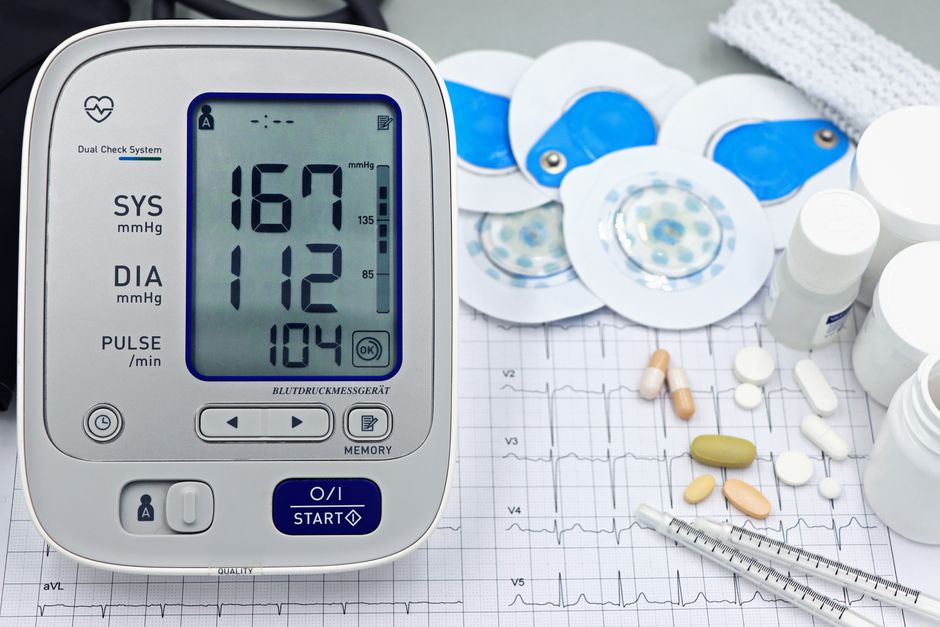
If your cholesterol is high, the first step is not panic and not a drastic diet. It is getting a clear picture of your actual numbers, understanding what they mean, and then deciding with a clinician whether lifestyle changes alone are enough or whether medication should be part of the plan. High cholesterol usually causes no symptoms, so the number on a lab report is often the only warning you get.
What Do Cholesterol Numbers Actually Mean?
Cholesterol is not one thing. It travels through your blood in packages called lipoproteins, and the type of package matters as much as the total amount.
LDL cholesterol is the main target of treatment. Higher LDL levels are consistently linked to a higher risk of heart attack and stroke. HDL cholesterol has long been called “good” cholesterol, but the picture is more complicated than that label suggests. Raising HDL with medication has not been shown to reduce heart attacks in large trials, which is why HDL is now treated more as a risk marker than a treatment target.
Triglycerides are a separate type of blood fat. They are influenced heavily by diet, alcohol, and blood sugar control.
For most adults, a standard lipid panel measures total cholesterol, LDL, HDL, and triglycerides. Some labs also report non-HDL cholesterol, which is simply total cholesterol minus HDL. Many clinicians find non-HDL more useful than LDL alone because it captures all the cholesterol carried by particles that can contribute to plaque buildup.
One point that surprises many people: the numbers are interpreted alongside your other risk factors, not in isolation. A given LDL level means something different for a 45-year-old with no other conditions than for a 45-year-old who has already had a heart attack.
What To Do If Your Cholesterol Is High: First Steps
Start by confirming the result. A single high reading is not a diagnosis. Cholesterol can shift with recent illness, weight change, or even a non-fasting blood draw.
Ask your clinician for your full lipid panel, not just the total cholesterol number. Total cholesterol by itself tells you very little, because it combines LDL, HDL, and other fractions.
Then ask two questions that shape everything that follows:
- What is my overall risk of a heart attack or stroke over the next 10 years?
- Based on that risk, does my LDL level put me in a range where medication is likely to help?
Clinicians often use risk calculators that factor in age, blood pressure, smoking status, diabetes, and cholesterol levels together. This is why two people with the same LDL number can get different advice.
If you smoke, stopping is one of the most effective things you can do for your heart, and it is independent of your cholesterol number. If you have high blood pressure or diabetes, getting those under control matters just as much as the cholesterol itself.
Can Diet and Exercise Lower Cholesterol?
Yes, but the effect varies a lot from person to person, and it depends on which number you are trying to change.
Diet changes tend to have a modest effect on LDL. Some people respond more than others. The most consistent dietary findings involve replacing saturated fat with unsaturated fat, increasing soluble fiber, and reducing trans fats. Research published in the American Journal of Clinical Nutrition and similar journals has examined these patterns for decades, and the general direction is well supported even though individual responses vary.
Foods that have evidence behind them for LDL lowering include oats, barley, beans, lentils, nuts, and foods rich in plant sterols. The effect of any single food is small. The combination is what matters.
Exercise has a clearer effect on triglycerides and HDL than on LDL. Regular aerobic activity tends to lower triglycerides and can raise HDL somewhat. Its effect on LDL is usually modest.
Weight loss, when someone has excess weight, tends to improve several lipid measures at once. Even a modest reduction can move numbers in a favorable direction.
What diet and exercise are unlikely to do is bring a very high LDL down to a normal range on their own. For people with genetically high cholesterol, lifestyle changes help but often are not enough.



When Is Medication Recommended?
Medication is generally recommended when your overall cardiovascular risk is high enough that the expected benefit outweighs the risks and costs of treatment. This is a risk-based decision, not a single-number decision.
Statins are the most studied cholesterol-lowering medications. Large randomized trials have consistently shown that they reduce the risk of heart attack, stroke, and death from cardiovascular causes in people at elevated risk. This is one of the more solid findings in preventive medicine.
Other classes of medication exist, including ezetimibe, PCSK9 inhibitors, and others. These are typically used when statins are not tolerated or when LDL remains high despite statin treatment.
Whether you personally should take medication depends on factors your clinician can assess. Age, other conditions, current medications, pregnancy status, and liver health all matter. This is not a decision to make from a single lab value.
If medication is recommended and you are hesitant, that is a reasonable conversation to have. Ask what your risk is without treatment, what the expected benefit is with treatment, and what side effects to watch for.
What About Supplements and “Natural” Cholesterol Products?
This is where a lot of money gets spent with little to show for it.
Some supplements have a small effect on LDL in some studies. Red yeast rice is one example, but it contains a compound chemically similar to a prescription statin, and product quality varies widely. It is not a reliable substitute for a regulated medication.
Fish oil is often marketed for cholesterol, but its main documented effect is on triglycerides at higher doses, not on LDL. In fact, some fish oil products can slightly raise LDL.
Niacin raises HDL and lowers LDL on paper, but large trials found that it did not reduce heart attacks or strokes when added to statin therapy, and it caused side effects. It is rarely used for this purpose now.
Plant sterols and stanols added to foods have a modest LDL-lowering effect and are supported by reasonable evidence. They are not a replacement for medication in high-risk people.
The honest position: no supplement has been shown in large trials to reduce heart attacks or strokes the way statins have. If a product claims to do that, the claim is not supported.
How Often Should You Check Your Cholesterol?
For most adults without known heart disease, checking every 4 to 6 years is a common approach. If your levels are borderline or you have other risk factors, your clinician may check more often.
If you start medication, follow-up testing is usually done within a few weeks to a few months to see how well it is working and to check for side effects.
If you make significant lifestyle changes, rechecking after a few months gives you a sense of whether they are helping.
The timing is not one-size-fits-all. Your clinician’s recommendation should reflect your specific situation.
What Else Matters Besides Cholesterol?
Cholesterol gets a lot of attention, but it is one factor among several. Blood pressure, blood sugar, smoking, weight, physical activity, and family history all contribute to cardiovascular risk.
Inflammation also plays a role in plaque formation. Some research has looked at markers like C-reactive protein as an additional risk indicator, though how to use that information in practice is still being studied.
Lipoprotein(a) is a genetically determined particle that some clinicians now measure, especially in people with early heart disease or a strong family history. It does not respond much to standard lifestyle changes, but knowing the level can change how aggressively other risk factors are treated.
The takeaway is that cholesterol is important but not the whole story. A person with normal cholesterol who smokes and has uncontrolled blood pressure may be at higher risk than someone with mildly high cholesterol and no other risk factors.
Frequently Asked Questions
Can high cholesterol cause symptoms I would notice?
No, high cholesterol typically causes no symptoms until it leads to a heart attack or stroke. That is why blood testing is the only way to know your levels.
How fast can diet lower my cholesterol?
Some people see changes within 4 to 6 weeks of consistent dietary changes, though the amount of change varies widely. A repeat lipid panel after a few months is the usual way to find out how much it helped.
Do I need medication if my cholesterol is high but I feel fine?
Feeling fine does not mean your risk is low, because high cholesterol is silent. Whether medication helps depends on your overall cardiovascular risk, which a clinician can estimate using your full profile.
Is high cholesterol always caused by diet?
No, genetics play a major role for many people. Familial hypercholesterolemia is an inherited condition that causes very high LDL from birth and usually requires medication in addition to lifestyle changes.
