
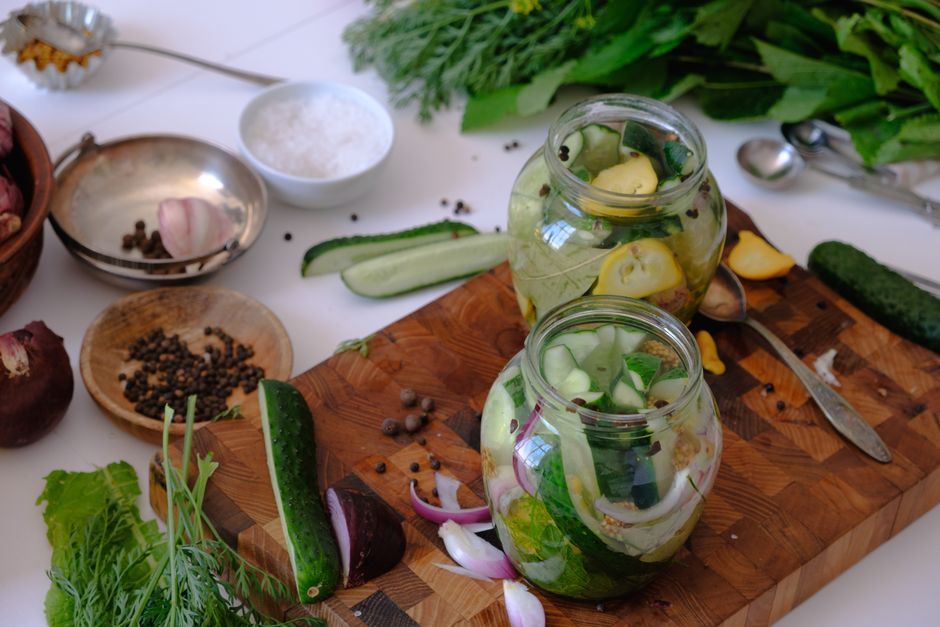
Yes, you can usually eat pickles if you have gallstones, but it depends on how your body reacts and what kind of pickles you choose. Pickles themselves are low in fat and contain no cholesterol, which are the main dietary triggers for gallbladder pain. However, the vinegar, sodium, and spices in pickles can cause digestive discomfort for some people, and that discomfort can feel like a gallbladder attack even when it is not one.
Why Are Fatty Foods the Main Trigger for Gallbladder Pain?
The gallbladder stores bile, a fluid your liver makes to help digest fat. When you eat a fatty meal, your gallbladder squeezes and releases bile into your small intestine. If you have gallstones, that squeezing can push a stone into the opening of the bile duct, causing sharp pain in the upper right side of your belly.
That is why doctors tell people with gallstones to avoid high-fat foods like fried chicken, fatty cuts of meat, full-fat dairy, and rich sauces. Pickles have almost no fat, so they do not cause the gallbladder to contract strongly. In that way, pickles are not a typical trigger for gallbladder pain.
What Is Actually in a Pickle?
A standard dill pickle is a cucumber soaked in a brine of water, vinegar, salt, and spices like dill seed and garlic. The nutritional profile is simple: nearly all water, a small amount of carbohydrates, a large amount of sodium, and almost no fat or protein.
Sweet pickles are different. They are made with added sugar, which increases the carbohydrate content, but they still contain no fat. The sugar does not directly trigger gallbladder contractions the way fat does, but it can cause gas and bloating in some people.
Bread-and-butter pickles, sweet relish, and pickled vegetables like okra or peppers all follow the same basic pattern: low fat, high sodium, variable sugar.
Can Pickles Cause Gallbladder-Like Pain?
Yes, and this is where the confusion starts. A pickle can cause stomach pain that feels exactly like a gallbladder attack, but the cause is different. The gallbladder is not the source of the pain in that case.
Vinegar is acidic. For some people, especially those with acid reflux or gastritis, vinegar can irritate the stomach lining. That irritation can produce a burning or cramping pain in the upper belly, which is easy to mistake for gallbladder pain.
Spicy pickles or pickles made with hot peppers can also trigger indigestion. Capsaicin, the compound that makes peppers hot, can irritate the stomach and cause cramping. Again, this is not a gallbladder problem, but it feels like one.
Additionally, pickles are very high in salt. A single large dill pickle can contain more than 1,000 milligrams of sodium. High-sodium foods can cause water retention and bloating, which can make your abdomen feel full and uncomfortable. For someone already dealing with gallbladder symptoms, that added bloating can make things feel worse.

How Do You Know If Pickles Are Causing Your Symptoms?
The most reliable way to find out is to test your own response. Eat a small amount first. One spear, not a whole pickle. Wait a few hours and note how you feel. If you experience pain, cramping, bloating, or nausea, then pickles may not be a good choice for you right now.
Keep a food diary for a week. Write down what you eat, when you eat it, and what symptoms you have afterward. Patterns become clear quickly when you track them this way. If you notice that vinegar-based foods consistently cause discomfort, that is useful information for you and your doctor.
Some people with gallstones find that any food that causes gas or bloating makes their gallbladder symptoms worse, even if the food is not fatty. The reason is mechanical. A bloated stomach pushes against the gallbladder, which can make an already irritated organ feel more uncomfortable.
What Kind of Pickles Are Better for Gallbladder Health?
If you want to try pickles, the type matters. Here is how common pickle varieties compare:
| Pickle Type | Fat Content | Sodium | Sugar | Potential Issue |
|---|---|---|---|---|
| Dill pickles | None | Very high | None | Vinegar and salt can cause bloating or reflux |
| Sweet pickles | None | High | High | Sugar can cause gas and bloating |
| Bread-and-butter | None | High | High | Same as sweet pickles |
| Spicy pickles | None | Very high | Varies | Capsaicin can irritate the stomach |
| Refrigerated pickles | None | Moderate | Varies | Often less vinegar, may be easier on the stomach |
If you want to minimize risk, choose plain dill pickles made with less salt, or look for low-sodium versions. Avoid spicy varieties if you are prone to indigestion. Sweet pickles are fine in small amounts, but the extra sugar can cause gas.
What Should You Eat Instead of Pickles if They Bother You?
If pickles cause discomfort, you are not missing out on essential nutrients. Pickles provide very little nutritional value beyond water and salt. The cucumber itself is a good source of vitamin K and hydration, but the pickling process does not add meaningful nutrition.
If you want the crunch of a pickle without the vinegar and salt, try raw cucumber slices with a squeeze of lemon. If you want the sour flavor, some people tolerate small amounts of lemon juice or lime juice better than vinegar. These are not medical recommendations, just practical alternatives to test for yourself.
For general gallbladder-friendly eating, focus on foods that are naturally low in fat and high in fiber. Oatmeal, whole grains, fruits, vegetables, lean chicken, and fish are all reasonable choices. The key is to keep fat intake moderate and consistent rather than eating large fatty meals.
When Should You Avoid Pickles Entirely?
There are times when you should not eat pickles at all. If you are currently having a gallbladder attack, do not eat anything. An attack is a medical event that requires attention, not a time to test foods.
If you have been told by your doctor to follow a clear liquid diet before a procedure or after surgery, pickles are not allowed. They are not a clear liquid. If you are preparing for gallbladder removal surgery, follow your surgeon’s dietary instructions exactly.
If you have high blood pressure or kidney disease, the sodium in pickles is a real concern. One pickle can contain a significant portion of your daily recommended sodium limit. For people with these conditions, pickles are not a good choice regardless of gallbladder status.
If you have had gallbladder removal surgery, you may still experience digestive symptoms after eating. Some people develop bile reflux or diarrhea after surgery. In that case, pickles may be tolerated or not, depending on your individual response.
What Does the Research Actually Say About Pickles and Gallstones?
There is no specific clinical research that directly studies pickle consumption in people with gallstones. The evidence on gallbladder triggers is about fat, not about pickled vegetables. What the research consistently shows is that high-fat meals trigger gallbladder contractions and can provoke symptoms in people with gallstones.
Some research has looked at vinegar and blood sugar. Studies suggest that vinegar may help reduce the blood sugar spike after a meal, but this is not related to gallbladder function. It does not mean vinegar is harmful or helpful for gallstones.
There is also no evidence that pickles can dissolve gallstones or prevent them from forming. That claim circulates online, but no credible study supports it. Gallstones are made of cholesterol or bilirubin, and no food has been shown to dissolve them. Only certain medical treatments and surgical procedures can remove gallstones.
Can Pickles Help Prevent Gallstones?
No. There is no evidence that eating pickles reduces your risk of developing gallstones. Gallstone formation is influenced by genetics, body weight, rapid weight loss, pregnancy, and certain medical conditions like diabetes. Diet plays a role, but the role is about overall dietary patterns, not individual foods.
Diets high in refined carbohydrates and unhealthy fats are associated with a higher risk of gallstones. Diets high in fiber, healthy fats like olive oil, and vegetables are associated with a lower risk. Pickles are not a meaningful factor in either direction.
If you are trying to prevent gallstones, the evidence supports maintaining a healthy weight, avoiding crash diets, and eating a balanced diet rich in plant foods. No single food, including pickles, is a prevention strategy.
What Are the Signs That a Gallbladder Problem Is Serious?
Mild discomfort after eating is one thing. Certain symptoms require immediate medical attention. If you experience pain in the upper right belly that lasts more than a few hours, fever, chills, yellowing of your skin or eyes, or dark urine, seek medical care right away. These can be signs of a blocked bile duct or an infected gallbladder, both of which are emergencies.
Do not try to manage these symptoms with diet changes or home remedies. Gallbladder infections and blockages require medical treatment. If you are unsure whether your symptoms are serious, call your doctor or seek urgent care.
Frequently Asked Questions
Can I eat pickles during a gallbladder attack?
No. Do not eat anything during a gallbladder attack. An attack is a medical event, and eating can make the pain worse.
Are dill pickles or sweet pickles worse for gallstones?
Neither type contains fat, so neither directly triggers gallbladder contractions. Sweet pickles contain more sugar, which can cause gas and bloating that may make you feel worse.
Can vinegar in pickles cause gallbladder pain?
Vinegar does not cause the gallbladder to contract. It can irritate the stomach and cause pain that feels like gallbladder pain, but the source is the stomach, not the gallbladder.
Will eating pickles help dissolve gallstones?
No. No food has been shown to dissolve gallstones. Only medical treatments and surgery can remove them.
