
Gallstones are solid deposits that form in your gallbladder, a small organ under your liver. They can cause sudden, severe pain in your upper right abdomen, especially after a fatty meal. While not all gallstones cause symptoms, preventing them largely comes down to what you eat and how you live. The most effective strategy is maintaining a stable, healthy weight and eating a diet rich in fiber and healthy fats while avoiding rapid weight loss and long periods of fasting.
What Causes Gallstones in the First Place?
Your gallbladder stores bile, a fluid your liver makes to digest fats. Gallstones form when the bile has too much cholesterol or bilirubin, or when the gallbladder does not empty properly. The most common type is cholesterol stones, which account for about 80 percent of cases in the United States.
Certain conditions raise your risk. Obesity is a major one. When your body has high cholesterol levels, your bile becomes supersaturated with cholesterol, and crystals form. Rapid weight loss, such as after bariatric surgery or a very low-calorie diet, also increases risk because the liver releases extra cholesterol into bile during fat breakdown.
Other risk factors include being female, being over 40, having diabetes, and taking medications that contain estrogen, like birth control pills or hormone replacement therapy. Pregnancy itself also raises risk because hormonal changes slow gallbladder emptying.
How Does Diet Affect Gallstone Formation?
Diet plays a direct role in gallstone formation. Research published in the American Journal of Gastroenterology found that diets high in refined carbohydrates and saturated fats significantly increase risk. These foods raise blood triglycerides and lower HDL cholesterol, both of which make bile more likely to form stones.
A high-fiber diet does the opposite. Fiber binds to cholesterol in the digestive tract and helps your body excrete it instead of recycling it into bile. Soluble fiber, found in oats, beans, apples, and carrots, is especially effective. A 2020 study in Nutrients found that people who ate the most fiber had a 26 percent lower risk of gallstone disease.
Healthy fats are also protective. Eating moderate amounts of unsaturated fats from sources like olive oil, avocados, and nuts triggers your gallbladder to empty regularly. When the gallbladder empties fully and often, bile does not sit around long enough to form crystals. Do not avoid fat entirely — that can actually worsen the problem by causing bile to stagnate.
What Foods Should You Eat to Prevent Gallstones?
Focus on whole, unprocessed foods. Vegetables, fruits, whole grains, legumes, and lean proteins like fish and poultry form the foundation of a gallbladder-friendly diet. The Mediterranean diet is particularly well-supported by evidence. A 2016 study in Hepatology found that people who followed a Mediterranean-style diet had a significantly lower risk of developing gallstones compared to those who ate a standard Western diet.
Specific foods that appear protective include:
- Leafy greens like spinach and kale, which provide magnesium and vitamin C
- Citrus fruits such as oranges and grapefruit, which contain vitamin C and may help reduce cholesterol levels in bile
- Legumes like lentils and chickpeas, which are high in fiber and protein
- Nuts like almonds and walnuts, which provide healthy fats and fiber
- Fatty fish like salmon and mackerel, which are rich in omega-3 fatty acids
Drinking enough water is also important. Dehydration can make bile more concentrated and increase the chance of stone formation. Aim for at least eight glasses of water per day, more if you are active or live in a hot climate.

How Does Weight and Physical Activity Factor In?
Weight is one of the strongest modifiable risk factors for gallstones. The National Institute of Diabetes and Digestive and Kidney Diseases reports that people who are overweight or obese are up to three times more likely to develop gallstones. Excess body fat, especially around the abdomen, increases cholesterol production and reduces gallbladder function.
Losing weight at a steady, slow pace is protective. Aim for one to two pounds per week. Rapid weight loss, defined as more than three pounds per week, actually increases gallstone risk significantly. When you lose weight quickly, the liver releases extra cholesterol into bile, and the gallbladder empties less frequently. This combination is a recipe for stone formation.
Physical activity helps in two ways. First, it supports weight maintenance. Second, moderate exercise like brisk walking for 30 minutes a day may improve gallbladder emptying and lower cholesterol levels in bile. A 2021 study in BMC Gastroenterology found that women who exercised regularly had a 30 percent lower risk of gallstone surgery compared to inactive women.
| Risk Factor | Effect on Gallstone Risk | How to Address It |
|---|---|---|
| Obesity (BMI over 30) | 3x higher risk | Gradual weight loss of 1-2 lbs per week |
| Rapid weight loss | Increases risk during and after | Avoid crash diets; lose weight slowly |
| High sugar intake | Raises triglycerides in bile | Limit added sugars and refined carbs |
| Low fiber intake | Reduces cholesterol excretion | Eat 25-30g fiber per day |
| Sedentary lifestyle | 30% higher risk of surgery | 30 min moderate exercise most days |
How To Prevent Gallstones Diet And Lifestyle Tips That Actually Work
Combine the dietary and lifestyle strategies above into a consistent routine. There is no single food or supplement that prevents gallstones on its own. The evidence supports a pattern of healthy habits, not a quick fix.
Start with breakfast. Eating a morning meal triggers the gallbladder to empty after a night of bile accumulation. Skipping breakfast means bile sits in the gallbladder for 12 hours or more, which increases the chance of crystal formation. A 2017 study in the Journal of Clinical Gastroenterology found that people who skipped breakfast were 35 percent more likely to develop gallstones than those who ate a morning meal.
Avoid very low-fat diets. This is a common misconception. People think that since gallstones are made of cholesterol, eating fat is bad. The opposite is true. Your gallbladder needs to contract regularly to stay healthy. Eating small amounts of fat at each meal stimulates that contraction. Without it, bile becomes thick and sludge forms, which is a precursor to stones.
Limit refined carbohydrates and added sugars. White bread, pasta, sugary drinks, and pastries all raise blood sugar and insulin levels, which increases cholesterol production in the liver. A 2019 study in Gut found that diets high in glycemic load were associated with a 40 percent higher risk of gallstone disease in women.
What About Supplements and Alternative Approaches?
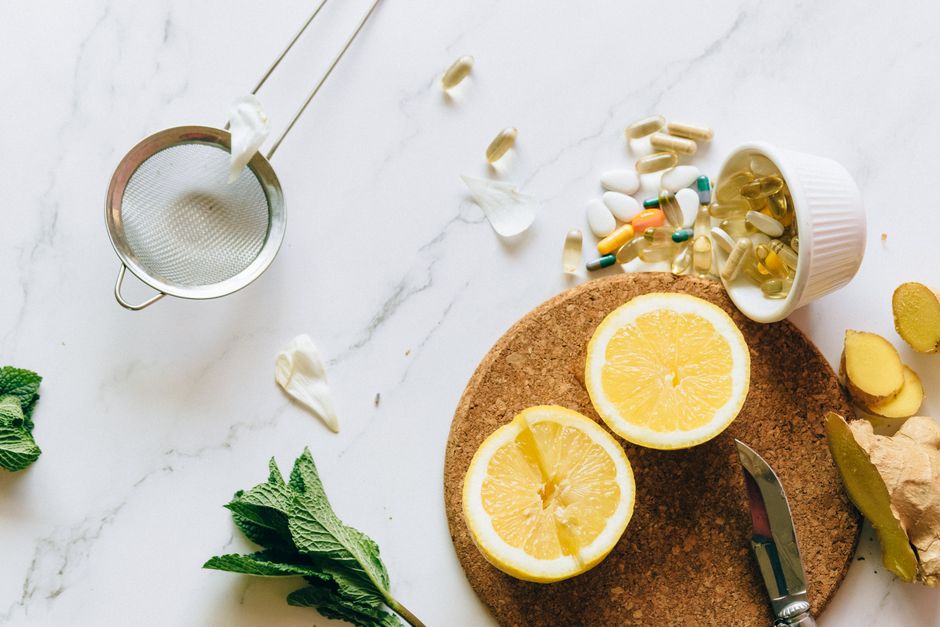
Some people take vitamin C supplements in the hope of preventing gallstones. The theory is that vitamin C helps break down cholesterol in bile. A 2015 study in BMC Gastroenterology found that women who took vitamin C supplements had a lower risk of gallstones, but the evidence is not strong enough to recommend routine supplementation. Getting vitamin C from foods like bell peppers, strawberries, and citrus is a safer bet.
Lecithin supplements are sometimes marketed for gallstone prevention. Lecithin is a fat that can help keep cholesterol suspended in bile rather than forming crystals. However, clinical trials have not shown a consistent benefit. As of 2026, there is no clinical evidence that lecithin supplements prevent gallstones in humans.
Milk thistle and artichoke leaf extracts are widely claimed to support liver and gallbladder health, though strong evidence is limited. Some small studies suggest they may improve bile flow, but no large trials have shown a reduction in gallstone formation. Do not rely on these in place of diet and lifestyle changes.
What about apple cider vinegar or a “gallstone flush”? These are popular on social media but have no scientific backing. The gallbladder flush, which involves drinking large amounts of olive oil and lemon juice, can actually cause serious complications, including pancreatitis and bile duct obstruction. The American College of Gastroenterology warns against these practices.
Common Misconceptions About Gallstone Prevention
One common myth is that gallstones are caused by eating too much fatty food. The reality is more complex. A diet very high in saturated fat does increase risk, but a diet too low in fat also causes problems. The gallbladder needs some fat to function properly. The key is choosing unsaturated fats and eating them in moderate amounts.
Another myth is that drinking coffee prevents gallstones. Some observational studies have found that coffee drinkers have a lower risk of gallstone disease. The caffeine in coffee may stimulate gallbladder contraction and reduce cholesterol crystallization. However, the evidence is not strong enough to recommend starting coffee solely for gallstone prevention, and the effect is modest at best.
A third misconception is that you cannot eat anything if you want to prevent gallstones. That is not true. A balanced diet with plenty of vegetables, fruits, whole grains, and healthy fats is entirely compatible with a low gallstone risk. You do not need to eliminate any specific food group. You just need to prioritize whole foods over processed ones.
Frequently Asked Questions
Can drinking more water prevent gallstones?
Staying well-hydrated helps keep bile less concentrated, which may reduce the chance of stone formation. There is no specific amount proven to prevent gallstones, but adequate hydration supports overall digestive health.
Is it safe to lose weight quickly to prevent gallstones?
No, rapid weight loss actually increases the risk of developing gallstones. Losing one to two pounds per week is safe and effective for reducing risk over time.
Do birth control pills cause gallstones?
Oral contraceptives that contain estrogen can increase the cholesterol content of bile and slow gallbladder emptying, which raises gallstone risk. The risk is higher with higher-dose pills and long-term use.
Can exercise alone prevent gallstones?
Regular physical activity reduces gallstone risk by helping with weight management and improving gallbladder function. It is most effective when combined with a healthy diet.
