

If you take a blood thinner, the short answer is that drinking alcohol carries real risks, and the safest choice is to avoid it or drink very little. Alcohol can change how your blood clots and how your medication works, which can raise your risk of dangerous bleeding. This is not a topic where a casual drink is always harmless, so it is important to understand what is happening in your body before you decide.
How Do Blood Thinners Actually Work?
Blood thinners do not actually make your blood “thinner.” They change how your body forms clots. Some, like warfarin, block the liver from using vitamin K to make clotting proteins. Others, like apixaban or rivaroxaban, directly block specific clotting factors in the blood.
The goal is the same for all of them: prevent a clot from forming inside a blood vessel. Clots can cause heart attacks, strokes, or block blood flow to your lungs. But the trade-off is that your blood cannot clot as quickly when you get injured. That means a small cut or an internal injury can bleed longer and heavier than normal.
Alcohol affects this system in several ways. It can interfere with how your liver processes the medication, change how the drug is absorbed, and even affect your blood platelets directly. Platelets are the tiny cells that start the clotting process. Alcohol can make them less sticky and less effective.
Can I Drink Alcohol While On Blood Thinners?
Mixing alcohol and blood thinners increases your risk of bleeding, and that risk is not just theoretical. Alcohol can raise your blood pressure and increase the chance of injury from falls or accidents. When you are on a blood thinner, a fall that would normally cause a bruise can become a serious internal bleed.
For people on warfarin, alcohol is a particular concern. Warfarin works by interfering with vitamin K, and heavy drinking changes how your liver handles both the drug and the vitamin. This can make your blood too thin or not thin enough, and both are dangerous. If your blood becomes too thin, you risk bleeding. If it becomes too thick, you risk a clot.
For the newer blood thinners, like apixaban or rivaroxaban, the interaction is less about changing drug levels and more about the combined effect on bleeding risk. Both alcohol and these medications make bleeding more likely. Using them together adds the risks together.
What Is Considered “Moderate” Drinking?
Some doctors allow a small amount of alcohol for patients on blood thinners. The key word is small. Moderate drinking is generally defined as no more than one drink per day for women and two drinks per day for men. One drink means 12 ounces of beer, 5 ounces of wine, or 1.5 ounces of distilled spirits.
But even this amount is not automatically safe for everyone on a blood thinner. Your age, liver function, other medications, and why you are on the blood thinner all matter. If you take the medication because you had a serious clot, a doctor may be more cautious than if you take it for an irregular heartbeat.
Binge drinking — four or more drinks in about two hours for women, five or more for men — is never safe on a blood thinner. This level of drinking sharply increases bleeding risk and can cause a sudden spike in blood pressure.




Why Liver Function Matters
Your liver processes both alcohol and most blood thinners. When you drink, your liver prioritizes breaking down alcohol over other tasks. This can change how quickly your blood thinner is cleared from your body.
For warfarin, this is especially important. The drug is broken down by specific liver enzymes that alcohol can either speed up or slow down, depending on whether the drinking is occasional or chronic. Occasional heavy drinking can slow the breakdown, causing warfarin levels to rise dangerously. Long-term heavy drinking can speed it up, making the drug less effective.
Doctors monitor warfarin with a blood test called the INR, which measures how long it takes your blood to clot. If your drinking habits change, your INR can change too. That is why consistency matters. A patient who rarely drinks and then has several drinks at a wedding can see a significant shift in their INR.
What Are the Signs of Dangerous Bleeding?
If you are on a blood thinner and you drink, you need to know what to watch for. Internal bleeding does not always cause visible blood. Sometimes the only signs are subtle.
Call a doctor or go to an emergency room if you notice any of these symptoms:
- Blood in your stool or black, tarry stools
- Blood in your urine
- Coughing up blood
- Vomiting blood or material that looks like coffee grounds
- Severe headache that comes on suddenly
- Dizziness or unusual weakness
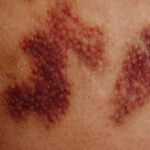
- Bruising that spreads or gets worse
- Pain, swelling, or stiffness in a joint after a minor injury
Head injuries are particularly dangerous for anyone on a blood thinner. Alcohol impairs your balance and coordination, making falls more likely. If you hit your head while on a blood thinner, seek medical attention even if you feel fine. Bleeding inside the skull can take hours to cause symptoms.
Do Different Blood Thinners Have Different Alcohol Risks?
All blood thinners carry some bleeding risk with alcohol, but the specifics vary. Warfarin has the most well-documented interaction because of its liver metabolism and vitamin K pathway. Regular heavy drinking can make warfarin levels unpredictable.
The direct oral anticoagulants, or DOACs, which include apixaban, rivaroxaban, edoxaban, and dabigatran, are less affected by alcohol in terms of drug levels. But they still increase bleeding risk, and alcohol adds to that risk independently. The combination is still dangerous, especially with heavy drinking.
There is no blood thinner that is known to be completely safe with alcohol. The safest approach is to ask your doctor about your specific medication and your specific health situation.
What Should You Ask Your Doctor?
Before you decide whether to drink, have a direct conversation with your doctor. Ask whether your specific blood thinner allows any alcohol at all. Ask what amount, if any, is considered acceptable for you. Ask whether your other medications change the answer.
Be honest about how much you drink. Doctors are not there to judge you. They need accurate information to keep you safe. If you drink more than you planned to, tell them at your next visit. This information helps them adjust your medication or monitoring schedule.
Some people choose to avoid alcohol entirely while on a blood thinner. That is the most conservative and safest choice. For many patients, the social benefit of a drink is not worth the risk of a bleeding complication that could be serious.
Frequently Asked Questions
Can one glass of wine cause problems with blood thinners?
One glass of wine may be acceptable for some patients, but it is not guaranteed safe for everyone. Your age, liver function, and the specific blood thinner you take all affect the answer, so check with your doctor first.
What happens if you drink alcohol while on blood thinners?
Alcohol increases your bleeding risk by affecting platelets and blood vessel function, and it can change how your liver processes the medication. The combined effect can make bleeding more likely and harder to control.
Is it safe to take blood thinners with beer?
Beer carries the same risks as wine or spirits when combined with blood thinners. The alcohol content matters more than the type of drink, and any alcohol adds to bleeding risk.
How long should I wait to drink after taking my blood thinner?
There is no established safe waiting period because the medications stay active in your body around the clock. The interaction is not about timing your drink around your dose — it is about the combined effect of both substances in your system.
