
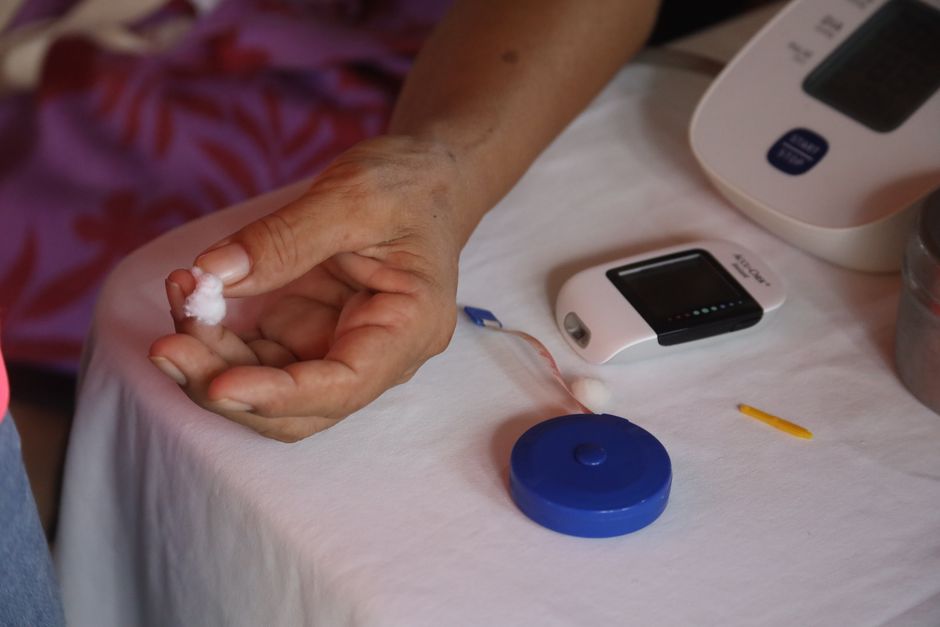
Yes, you can have a blood test during your period. For most standard tests, menstruation does not make the results unreliable. A few specific tests can be affected by where you are in your cycle, and those are worth planning around.
The short answer surprises many people: the blood in your uterus does not change the composition of the blood flowing through your veins. What matters far more is the hormonal shift across your cycle, and whether a particular test is sensitive to it.
Can I Do A Blood Test During My Period?
You can. A blood draw during menstruation is safe and does not harm you or affect your health. The question is only whether the specific test you need is one that changes with your cycle.
Most routine blood work is not meaningfully affected by menstruation. A complete blood count, kidney function, liver enzymes, thyroid hormones, vitamin levels, and cholesterol can all be drawn during your period. The lab does not need to know your cycle day for these.
There is one common exception worth knowing. A blood count measures hemoglobin, the protein in red blood cells that carries oxygen. Menstrual bleeding lowers hemoglobin slightly in some people, especially those with heavy periods. A result that looks mildly low during your period may look normal two weeks later. This does not mean the test is wrong. It means the timing is part of the picture.
If you have been told you are anemic, or if you have heavy bleeding, it helps to mention your period to the person ordering the test. They can decide whether to repeat it later in your cycle.
Which Blood Tests Are Affected By Your Menstrual Cycle?
Hormone tests are the main group where cycle timing genuinely matters. Estrogen and progesterone rise and fall in a predictable pattern across the month. A progesterone level drawn on day 3 of your cycle means something different from one drawn on day 21.
This is why fertility testing is often scheduled on specific cycle days. A common approach is to check certain hormones early in the cycle, around days 2 to 4, and to check progesterone later, roughly a week after ovulation. Some clinicians recommend these windows because the reference ranges and their interpretation depend on cycle phase. The exact days vary by clinic and by what is being investigated.
Other tests with cycle sensitivity include:
- Reproductive hormones such as estrogen, progesterone, LH, and FSH, where the day of the cycle changes what the number means.
- Ferritin and hemoglobin, which can dip with menstrual blood loss, particularly with heavy periods.
- Some markers of inflammation, where small cycle-related shifts have been reported, though the effect is usually minor.
Tests that are generally not scheduled around your period include thyroid function, blood glucose, cholesterol, vitamin D, kidney and liver panels, and most infection screening. Cycle timing is not a routine consideration for these.
Does Having Your Period Change Blood Test Results?
For most tests, no meaningful change occurs. The volume of blood lost during a typical period is small relative to your total blood volume, so the concentration of most substances in your blood stays stable.
The change that does happen is real but usually modest. Menstrual bleeding can lower iron stores and hemoglobin over time. In people with heavy menstrual bleeding, this can be enough to show up on a blood count. Heavy bleeding is a recognized cause of iron deficiency, and it is one reason clinicians ask about periods when reviewing low iron results.
Hormonal shifts also nudge some values. Water retention before and during a period can slightly dilute the blood, which can marginally affect concentration-based measurements. These shifts are usually small and do not change the interpretation of most routine tests.
One clarification worth making: the blood drawn from your arm is not the same as the blood leaving your uterus. The two are separate. Menstrual blood contains tissue and other material from the uterine lining. A vein in your arm carries circulating blood. They do not mix.



Should You Tell the Lab or Your Doctor You Are On Your Period?
It helps to mention it, especially if the test relates to hormones, fertility, or iron. The person ordering the test can then decide whether the timing matters for your specific situation.
For a routine checkup, mentioning your period is optional. It will not usually change anything. For anything involving reproductive hormones or a known anemia concern, it is worth saying out loud. A simple sentence is enough: “I’m on day 3 of my cycle” or “I started my period yesterday.”
Some labs and clinics ask about your last menstrual period as part of standard intake. That is a normal question and not a sign anything is wrong. It helps them interpret results correctly.
Can You Donate Blood During Your Period?
You can usually donate blood during your period if you feel well. Blood donation centers generally do not exclude people who are menstruating.
What they do check is your hemoglobin level before donation. If your iron or hemoglobin is low, you may be deferred, whether or not you are on your period. Menstruating donors, especially those with heavy periods, are more likely to have lower iron stores, so the pre-donation check matters.
If you feel lightheaded, tired, or unwell during your period, it is reasonable to wait. Donation takes a toll on iron and fluid, and feeling unwell beforehand does not help. The eligibility rules are set by the donation center, so follow their guidance.
How to Prepare For a Blood Test During Your Period
Preparation is mostly the same as any other blood draw. The cycle itself rarely requires special steps.
Stay hydrated in the hours before your appointment. Water makes veins easier to find and can make the draw quicker. Eat normally unless your test requires fasting. Many cholesterol and glucose tests do require fasting, and that instruction applies regardless of your period.
If you tend to feel faint during blood draws, tell the person taking your blood. They can have you lie down. Feeling tired or crampy from your period can add to that, so speak up if you are not feeling your best.
If your test is one where cycle timing matters, such as a hormone panel, confirm the timing with the clinic beforehand. Do not reschedule on your own without checking, because some tests are actually meant to be done during your period. Early-cycle hormone testing is a good example.
The Bottom Line
A period is not a reason to cancel a blood test. For most routine tests, the results are reliable and the timing does not matter. For hormone tests and iron-related tests, the cycle day can change how a result is read, and that is worth discussing with your clinician.
The right move is simple. Know what your test is for. Mention your cycle if it seems relevant. Follow any fasting or timing instructions you were given. Beyond that, your period does not stand in the way of getting useful information from a blood draw.
Frequently Asked Questions
Can I do a blood test during my period?
Yes, you can. Most routine blood tests are not affected by menstruation, though hormone and iron-related tests may need cycle timing considered.
Does having your period affect blood test results?
For most tests, no meaningful change occurs. Hemoglobin and iron can be slightly lower with heavy bleeding, and reproductive hormones shift with cycle phase.
Should I reschedule my blood test if I get my period?
Usually not. Check with your clinician first, because some tests, like early-cycle hormone panels, are actually meant to be done during your period.
Can you donate blood while on your period?
Usually yes, if you feel well and your hemoglobin meets the donation center’s requirement. Low iron or feeling unwell may lead to a deferral.
