
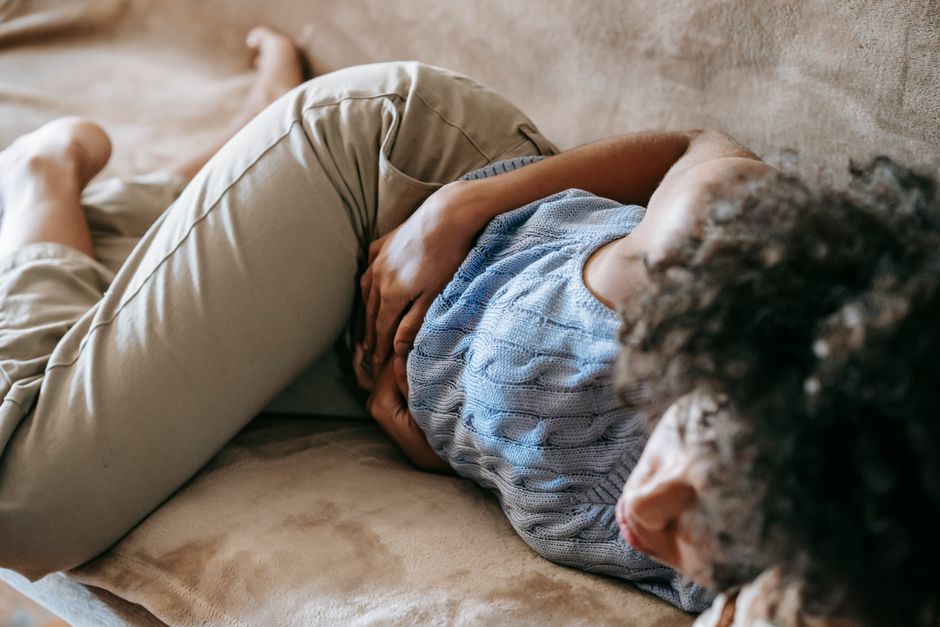
Hemorrhoids do not cause abdominal cramping. The two problems can happen at the same time, which is why people often link them. But hemorrhoids sit in the lowest part of the rectum and anus, and the cramping you feel comes from the intestines higher up. Those are different parts of the body with different jobs.
This matters because the real cause of cramping is easy to miss when you assume hemorrhoids are to blame. Hemorrhoids are swollen veins in the anal canal. They can bleed, itch, hurt, or feel like a lump. They do not squeeze the bowel or trigger the wave-like muscle contractions that produce cramps. If you have both at once, something else is usually going on.
What Are Hemorrhoids and Where Do They Form?
Hemorrhoids are clusters of veins in the anal canal that become swollen or inflamed. Everyone has this tissue from birth. It helps cushion the area and helps control bowel movements. It only becomes a problem when these veins enlarge.
Doctors divide them into two types. Internal hemorrhoids sit inside the rectum, above a line of tissue called the dentate line. That area has few pain nerves, so internal hemorrhoids often bleed without hurting. External hemorrhoids sit below that line, near the opening. That skin has many pain nerves, so external hemorrhoids can hurt a lot.
Common triggers include straining on the toilet, long bouts of constipation or diarrhea, pregnancy, and sitting for long stretches. Age plays a role too. The supporting tissue in the anal canal weakens over time.
Notice where all of this happens. The rectum and anus. That is the end of the digestive tract. The cramping you feel with a stomach bug or gas happens in the small intestine or colon, which sit higher up in the belly. These are separate regions with separate nerve supplies.
What Actually Causes Abdominal Cramping?
Abdominal cramps come from the muscles of the gut. The intestines move food along using rhythmic contractions. When those contractions become strong, irregular, or blocked, you feel cramping. The medical term for this is visceral pain, meaning pain from the internal organs.
Many conditions set this off. Some are minor and pass on their own. Others need medical care.
- Gas and bloating trapped in the colon
- Constipation, when hard stool stretches the bowel
- Diarrhea from infection or food upset
- Irritable bowel syndrome, a common gut disorder
- Food intolerance, such as to lactose
- Menstrual cramps from the uterus, not the gut
- Urinary tract infections
- Inflammatory bowel diseases like Crohn’s disease or ulcerative colitis
- Blockage of the bowel, which is a medical emergency
This list is not complete, but it shows the range. Cramping is a symptom, not a disease. It tells you the gut muscles are upset, and the cause has to be found.
Can Hemorrhoids Cause Abdominal Cramping?
No. The anatomy does not support it. Hemorrhoids are confined to the anal canal. The nerves that serve that area are different from the nerves that serve the intestines. A swollen vein near the anus cannot send a cramping signal to the colon.
There is one indirect link worth knowing. Constipation can cause both problems. Hard stool makes you strain, which can enlarge hemorrhoids. The same hard stool and slow gut movement can also cause cramping and pressure. So constipation may sit behind both symptoms, but the hemorrhoids are not causing the cramps.
Some people also feel a general sense of pelvic pressure or fullness with hemorrhoids. That is not the same as the wave-like cramping that comes from the intestines. If the pain is higher up in the belly, it is coming from something else.





Why Do People Link Hemorrhoids With Stomach Pain?
Timing and location create the confusion. Hemorrhoids and gut problems often show up together because they share risk factors. A person with irritable bowel syndrome may have both cramping and hemorrhoids. The cramping comes from the IBS. The hemorrhoids come from the straining that IBS can cause.
Pregnancy is another clear example. Pressure from a growing uterus and changes in hormones can enlarge hemorrhoids. The same pregnancy can cause gas, constipation, and cramping. The two problems travel together without one causing the other.
There is also a simple matter of how people describe pain. It is hard to pinpoint exactly where belly pain starts. Aches in the lower pelvis can feel vague and spread out. Someone may assume everything in that region is related, when the sources are actually separate.
A less obvious point: the gut and the anal canal share some nerve pathways through the pelvic floor. This can blur the location of discomfort. It does not mean hemorrhoids are generating cramps. It means the body’s wiring can make pain feel like it is coming from somewhere nearby.
When Should You Take Cramping Seriously?
Most cramping is mild and short-lived. But some patterns need prompt medical attention. Do not wait if any of the following apply.
- Cramping that is severe, constant, or getting worse
- A belly that is swollen, hard, or tender to touch
- Vomiting that will not stop
- Blood in the stool, or black tarry stool
- Fever with belly pain
- Inability to pass stool or gas
- Unintended weight loss
- Pain that wakes you from sleep
These signs can point to a bowel blockage, infection, or other serious problem. They are not typical of hemorrhoids. Bleeding deserves its own note. Bright red blood on toilet paper is common with hemorrhoids, but it can also come from other sources. Any new rectal bleeding should be checked by a doctor, because the cause is not always what it seems.
How Are These Two Problems Treated Separately?
Because the causes are different, the treatments are different. Hemorrhoid care targets the anal area. Cramping care targets the gut. Treating one will not fix the other.
For hemorrhoids, common steps include avoiding straining, getting enough fiber and fluids, and not sitting on the toilet too long. Warm sitz baths can ease discomfort. Over-the-counter creams and pads are widely used. Some clinicians recommend them for short-term relief, though the evidence for many of these products is limited. Procedures such as banding or surgery are options for cases that do not improve.
For cramping, the approach depends on the cause. Gas and mild constipation often respond to diet changes and hydration. Irritable bowel syndrome may need a tailored plan, sometimes including dietary changes or medication. Infections may need specific treatment. A bowel blockage needs urgent care.
One practical overlap is fiber. Getting enough fiber can soften stool, which eases straining and may reduce hemorrhoid flare-ups. It can also help regulate the gut and reduce some cramping tied to constipation. That is a shared benefit, not proof that one condition causes the other.
The Bottom Line on Hemorrhoids and Cramping
Hemorrhoids and abdominal cramping are separate problems that often appear together. Hemorrhoids live in the anal canal. Cramping comes from the intestines. Shared triggers like constipation and pregnancy can bring on both, which is why the link feels real.
If you have cramping, look for its own cause rather than blaming hemorrhoids. If the pain is severe, ongoing, or comes with warning signs like fever, vomiting, or bleeding, get medical care. And if you have hemorrhoid symptoms, it is reasonable to have them checked too, since rectal bleeding and pain can have more than one source.
Frequently Asked Questions
Can hemorrhoids cause cramping in the lower abdomen?
No. Hemorrhoids are confined to the anal canal and cannot trigger the intestinal muscle contractions that produce cramping. Lower belly cramps come from the gut or other organs, not from hemorrhoids.
Why do I have hemorrhoids and stomach cramps at the same time?
They often share triggers like constipation, diarrhea, or pregnancy, so they can appear together without one causing the other. The cramping has its own cause that should be looked at separately.
Does constipation cause both hemorrhoids and abdominal cramps?
Yes, constipation can contribute to both. Hard stool makes you strain, which can enlarge hemorrhoids, and the same slow gut movement can cause cramping and pressure.
When should I see a doctor for cramping with hemorrhoids?
See a doctor if cramping is severe, constant, or comes with fever, vomiting, a swollen belly, blood in the stool, or the inability to pass stool or gas. Any new rectal bleeding should also be checked.
