
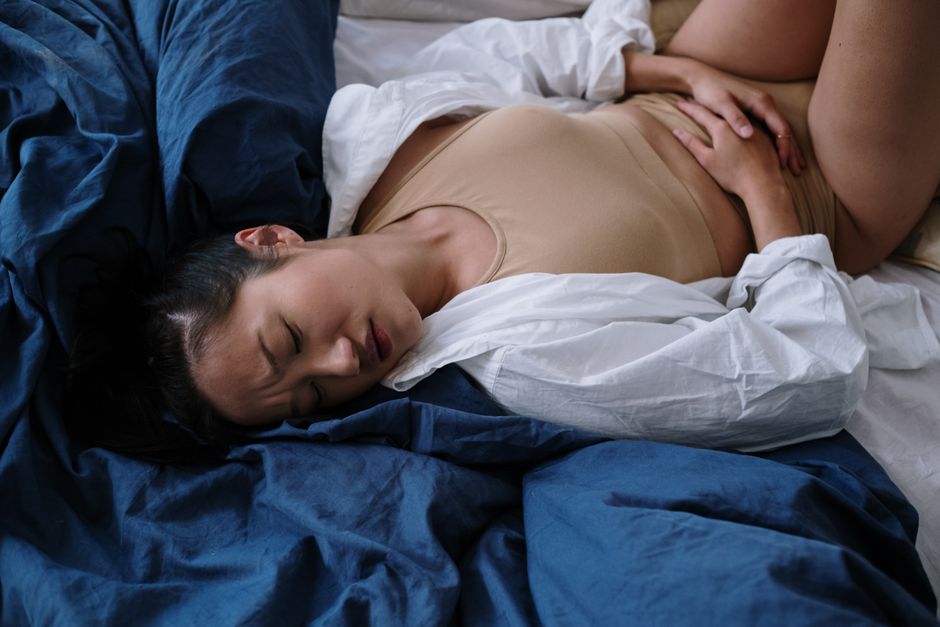
Abdominal cramps are a common problem. They often happen due to gas, muscle strain, or the menstrual cycle. The fastest way to soothe them is to apply a heating pad, drink clear fluids, and rest. Over-the-counter pain relievers like ibuprofen can also help when used as directed. If the pain is severe or lasts more than a few days, see a doctor.
What Causes Abdominal Cramps?
Abdominal cramps are a symptom, not a diagnosis. The sensation comes from muscles in your digestive tract or uterus contracting too strongly or out of rhythm. Common triggers include gas buildup, constipation, diarrhea, and menstrual periods. Food intolerances, such as lactose intolerance, can also cause cramping. Viruses that cause vomiting and diarrhea often bring on cramps as well. In most cases, the cause is temporary and harmless.
More serious causes include kidney stones, gallstones, or infections like appendicitis. Cramps from these conditions are usually more intense or located in one spot. If you have a fever, vomiting, or blood in your stool, the cause may be more serious. Always pay attention to the pattern of your pain.
How To Soothe Abdominal Cramps at Home
Start with simple, low-risk options. Heat is one of the most effective treatments for cramping muscles. A heating pad set to low or medium placed on your abdomen for 15 to 20 minutes can reduce pain. A warm bath works the same way. Heat relaxes the muscles and increases blood flow to the area.
Hydration matters. If you have diarrhea or vomiting, you lose fluids and electrolytes. Sip water or an oral rehydration solution slowly. Avoid carbonated drinks and caffeine because they can worsen gas or irritate the stomach.
Over-the-counter medications can help. Ibuprofen (Advil, Motrin) or naproxen (Aleve) reduce inflammation and pain. For menstrual cramps, these are often the first choice. For gas-related cramps, simethicone (Gas-X) may help break up gas bubbles. Always read the label and follow the recommended dose. Do not exceed the daily limit.
If you are constipated, gentle movement like walking may stimulate bowel activity. Stool softeners or fiber supplements can help, but they take time to work. For sudden cramps from diarrhea, loperamide (Imodium) can reduce cramping by slowing bowel movements. But do not use it if you have a fever or bloody stool.
When Abdominal Cramps Need Medical Attention
Most cramps go away on their own within a few hours to a day. You should see a doctor if the pain is severe enough to double you over or if it wakes you from sleep. Also seek care if you have a fever above 101°F, vomit blood or dark material, or have blood in your stool. Cramps that last more than three days without improvement also need evaluation.
Pain in the lower right abdomen, especially with fever and nausea, can be a sign of appendicitis. Pain that starts in the back and moves to the groin may be a kidney stone. Cramps during pregnancy, especially with bleeding, require immediate medical attention. Trust your instincts — if something feels wrong, get checked.





Home Remedies: What Works and What Does Not
Ginger tea is a common remedy for nausea and mild stomach upset. Some studies suggest ginger can reduce intestinal cramping by relaxing the smooth muscle. It is safe for most people, but no large human trials have confirmed it works for all types of cramps.
Peppermint oil has evidence for irritable bowel syndrome (IBS). Enteric-coated capsules of peppermint oil can reduce cramping by relaxing the gut muscles. Research published in the BMJ supports its use for IBS. Peppermint tea is less concentrated and may not have the same effect.
Things that do not have strong evidence: apple cider vinegar, activated charcoal, or charcoal tablets. These are often marketed for digestive issues, but no clinical guidelines recommend them for abdominal cramps. They can even cause harm if taken incorrectly.
Preventing Abdominal Cramps
Prevention depends on the cause. For menstrual cramps, regular exercise and taking ibuprofen before symptoms peak can reduce severity. For digestive cramps, eating smaller meals and avoiding trigger foods is key. Identify and limit foods that cause gas, such as beans, broccoli, and carbonated drinks.
Staying hydrated and eating enough fiber helps prevent constipation-related cramps. Fiber should be added slowly to avoid gas. Probiotics from yogurt or supplements may help some people with IBS or antibiotic-related cramps, but evidence varies. No large study has proven that probiotics prevent cramps in healthy people.
Stress reduction techniques, such as deep breathing or meditation, may help if cramps are linked to anxiety. The gut and brain are connected through the vagus nerve. Stress can increase gut sensitivity and cramping. However, evidence for relaxation techniques as a primary treatment is limited.
Abdominal Cramps in Children: What Parents Should Know
Children often get cramps from constipation, gas, or stomach viruses. For mild cramps without fever, encourage rest and clear fluids. A warm compress on the belly can help. Do not give adult medications to children without checking with a doctor. Infant acetaminophen or ibuprofen is dosed by weight, not age.
Call a doctor if the child has a fever, vomits green or yellow fluid, has blood in the stool, or complains of severe pain that does not improve. Appendicitis can happen in children and may present with pain moving to the lower right. A child who cannot stand up straight or refuses to eat may need medical evaluation.
Key Takeaways for Managing Abdominal Cramps
- Heat — Use a heating pad or warm bath for 15–20 minutes.
- Hydration — Sip water or electrolyte drinks. Avoid soda and caffeine.
- OTC medications — Ibuprofen for pain and inflammation. Simethicone for gas.
- See a doctor — If pain is severe, lasts more than 3 days, or comes with fever, vomiting, or blood.
Most abdominal cramps resolve on their own with simple care. Know your body and do not ignore warning signs. When in doubt, a healthcare provider can offer a clear diagnosis and personalized treatment.
Frequently Asked Questions
How long do abdominal cramps usually last?
Most cramps from gas, constipation, or menstrual causes last from a few hours to 24 hours. Cramps that last longer than three days or steadily worsen should be evaluated by a doctor.
Can dehydration cause abdominal cramps?
Yes, dehydration can disrupt electrolyte balance and cause muscle cramping, including in the abdomen. Drinking enough water helps prevent this, especially during illness or exercise.
Should I take ibuprofen on an empty stomach for cramps?
Ibuprofen can irritate the stomach lining, so it is best taken with food or milk. If you must take it on an empty stomach, use the lowest effective dose and drink a full glass of water.
Is it safe to use a heating pad for cramps during pregnancy?
Using a heating pad on a low setting for short periods (15 minutes) is generally considered safe during pregnancy. Avoid placing it directly on the belly for extended time, and never use it while sleeping.
