
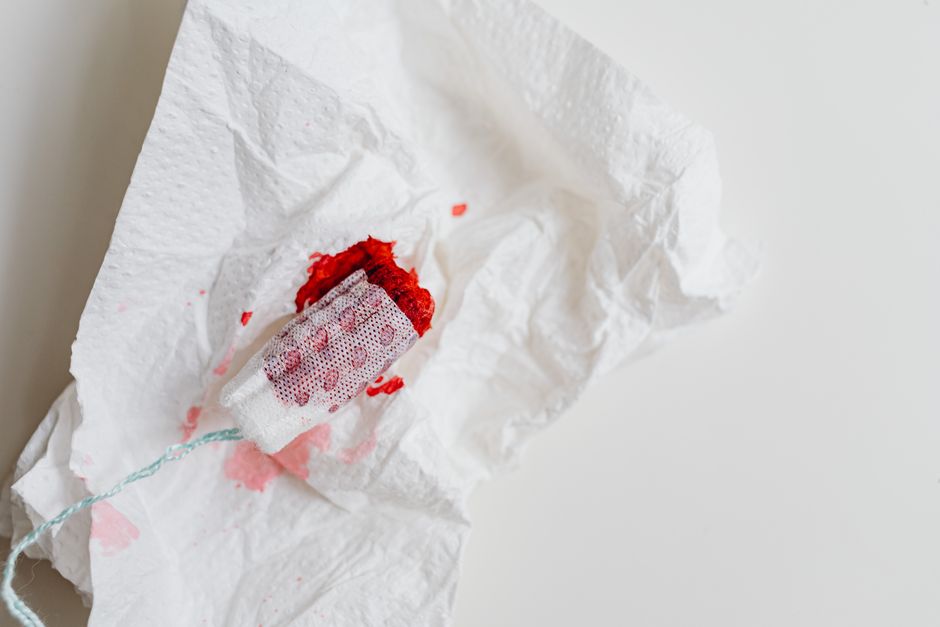
Yes, hemorrhoids can bleed a lot, and for many people, the sight of blood is the first sign they have them. Bleeding is one of the most common symptoms of hemorrhoids, and it can range from a few drops on the toilet paper to a steady flow into the toilet bowl. While the volume can be alarming, the amount of blood is not always a direct sign of how serious the hemorrhoid is. However, because rectal bleeding can also signal other, more serious conditions, it always deserves a proper medical evaluation.
Why Do Hemorrhoids Bleed?
Hemorrhoids are swollen veins in the lower rectum and anus. They are a normal part of human anatomy, but they become a problem when they swell, stretch, or bulge. The tissue lining these veins is delicate. When hard stool passes through the anal canal, it can scrape against these swollen veins and cause them to tear. The result is bright red blood.
The blood from hemorrhoids is typically bright red because it is fresh and comes from the lower digestive tract. It usually appears on the toilet paper after wiping, as a few drops in the toilet bowl, or streaked on the surface of the stool. The bleeding is often painless, which can make it even more surprising when you see it.
How Much Bleeding Is Normal?
There is no single “normal” amount when it comes to hemorrhoid bleeding. Some people only see a small spot on the tissue. Others see enough blood to turn the toilet water pink or red. Both scenarios can happen with hemorrhoids.
The key distinction is the color and pattern of the blood. Hemorrhoid blood is almost always bright red. If the blood is dark, maroon, or tarry, it suggests bleeding higher up in the digestive tract. That requires immediate medical attention. Even with bright red blood, you should not assume it is a hemorrhoid. Conditions like anal fissures, inflammatory bowel disease, and colorectal cancer can also cause rectal bleeding.
Heavy bleeding that lasts more than a few days, or bleeding accompanied by dizziness, weakness, or fainting, is not something to manage at home. You need to see a doctor.
When Bleeding Becomes a Concern
Hemorrhoids rarely cause life-threatening blood loss, but they can cause significant bleeding in some cases. If you pass large clots, soak through multiple pads or underwear, or feel lightheaded, that is a sign of substantial blood loss. This is not typical hemorrhoid behavior and warrants urgent evaluation.
Another concern is anemia. Chronic, low-grade bleeding over weeks or months can slowly deplete your iron stores. This can lead to fatigue, pale skin, and shortness of breath. If you have been bleeding regularly for more than a week, it is worth discussing with a doctor even if each episode seems small.





What Increases the Risk of Bleeding?
Several factors make hemorrhoids more likely to bleed. The most common trigger is constipation. Straining on the toilet increases pressure on the veins in the rectum. Hard stool also physically abrades the hemorrhoid tissue during passage.
- Straining during bowel movements increases pressure and makes bleeding more likely.
- Hard stools from low fiber intake or dehydration can tear the tissue.
- Sitting for long periods on the toilet puts continuous pressure on the anal veins.
- Pregnancy increases pressure in the pelvic area and commonly causes hemorrhoids.
- Chronic diarrhea can irritate the anal canal and cause bleeding.
- Obesity increases abdominal pressure, which can worsen hemorrhoids.
Some people also have a family history of hemorrhoids. While the exact genetic link is not fully understood, the tendency to develop them appears to run in families.
How to Stop Hemorrhoid Bleeding at Home
If you have confirmed with a doctor that your bleeding is from hemorrhoids, there are steps you can take to reduce the bleeding and prevent it from recurring. The goal is to soften the stool and reduce pressure on the veins.
Increasing fiber is the most effective strategy. Soluble fiber, found in oats, barley, and psyllium husk, absorbs water and keeps stool soft. Insoluble fiber, found in vegetables and whole grains, adds bulk. The combination makes stool easier to pass without scraping the hemorrhoids. Some research suggests that fiber supplements like psyllium can reduce bleeding and other hemorrhoid symptoms.
Hydration matters just as much as fiber. Fiber only works if you drink enough water. Without adequate fluid, fiber can actually worsen constipation. Aim for consistent water intake throughout the day.
Sitz baths can also help. Sitting in warm water for 10 to 15 minutes after a bowel movement relaxes the anal sphincter and improves blood flow to the area. This can reduce swelling and make the tissue less prone to tearing.
Over-the-Counter Options and Their Limits
Over-the-counter creams and suppositories can relieve itching and discomfort, but they do not stop bleeding. Products containing hydrocortisone reduce inflammation, which may help the tissue heal. However, they do not address the underlying cause of the bleeding, which is the swollen vein itself.
Some products contain local anesthetics like pramoxine or benzocaine. These numb the area and can make wiping less painful, but they have no effect on bleeding. Witch hazel pads can soothe irritated tissue, but again, they are not a treatment for active bleeding.
If bleeding continues despite these measures, do not assume the cream is failing. The source of the bleeding may not be a hemorrhoid at all.
Medical Treatments for Bleeding Hemorrhoids
When home management does not stop the bleeding, medical procedures can help. These are typically reserved for hemorrhoids that bleed frequently or cause significant discomfort.
Rubber band ligation is a common outpatient procedure. A small band is placed around the base of the hemorrhoid, cutting off its blood supply. The hemorrhoid shrinks and falls off within a week. This is effective for internal hemorrhoids that bleed.
Sclerotherapy involves injecting a chemical solution into the hemorrhoid. This causes the vein to scar and collapse. It is less commonly used than banding but can be effective.
Infrared coagulation uses heat to create scar tissue and cut off blood flow to the hemorrhoid. It is quick and generally well tolerated.
For severe cases, surgery called hemorrhoidectomy may be recommended. This removes the hemorrhoid tissue entirely. It has the highest success rate but also the longest recovery time. Newer techniques like stapled hemorrhoidopexy are less painful but have a higher risk of recurrence.
These procedures are not first-line treatments. They are options when conservative measures fail or when bleeding is persistent and affecting quality of life.
When to See a Doctor for Rectal Bleeding
Any new rectal bleeding should be evaluated by a doctor. This is not because every case is serious, but because it is impossible to know the cause without an examination. A doctor can usually distinguish hemorrhoids from other conditions with a simple digital exam or an anoscopy.
You should seek care promptly if the bleeding is heavy, if you feel faint or dizzy, or if the blood is dark in color. You should also see a doctor if you have changes in bowel habits, unintentional weight loss, or a family history of colorectal cancer. These symptoms do not mean you have cancer, but they mean you should not wait.
For most people under 50 without other risk factors, a doctor may recommend a colonoscopy to rule out other causes. For people over 50, routine screening for colorectal cancer is already recommended, and bleeding is an additional reason to complete it.
Preventing Hemorrhoid Bleeding Long Term
Prevention is about reducing the pressure on the veins in your rectum. The most reliable way is to avoid constipation and straining.
Do not sit on the toilet longer than necessary. The longer you sit, the more pressure builds in the anal veins. If you do not have a bowel movement within a few minutes, get up and try again later. Do not force a bowel movement.
Stay active. Regular walking and exercise promote healthy bowel function and reduce the pressure that contributes to hemorrhoids. Even a 20-minute walk daily can make a difference.
Maintain a healthy weight. Excess abdominal weight increases pressure on the pelvic veins, which can worsen hemorrhoids and make bleeding more likely.
If you are prone to constipation, consider a daily fiber supplement. It is a simple, low-cost intervention that can prevent the hard stools that cause bleeding.
Can Hemorrhoids Bleed A Lot and Be a Sign of Something Else?
Hemorrhoids are the most common cause of bright red rectal bleeding, but they are not the only cause. Anal fissures are small tears in the lining of the anus. They bleed and are often painful, especially during bowel movements. Colorectal polyps and cancer can also bleed, though the blood may be less predictable in appearance.
Inflammatory bowel disease, including ulcerative colitis and Crohn’s disease, can cause rectal bleeding along with diarrhea and abdominal pain. Diverticular disease can cause significant bleeding from the colon. These conditions require specific treatments, so receiving the correct diagnosis matters.
This is why self-diagnosing based on the presence of hemorrhoids is risky. You may have hemorrhoids and another condition at the same time. The bleeding you see may not be from the hemorrhoid you know about.
Frequently Asked Questions
Can hemorrhoids bleed enough to cause anemia?
Yes, chronic low-grade bleeding from hemorrhoids can cause iron deficiency anemia over time. This is uncommon but possible, especially when bleeding continues for weeks or months without treatment.
How long does hemorrhoid bleeding last?
A single episode of hemorrhoid bleeding usually stops within a few minutes. If bleeding continues for more than a few days or recurs with every bowel movement, you should see a doctor.
Is bright red blood always from hemorrhoids?
No. Bright red blood usually means the source is in the lower rectum or anus, but anal fissures, polyps, and colorectal cancer can also cause it. A medical exam is the only way to confirm the source.
Can hemorrhoid bleeding stop on its own?
Yes, hemorrhoid bleeding often stops on its own once the stool softens and the tissue heals. If it does not stop within a few days or keeps coming back, medical evaluation is needed.
