
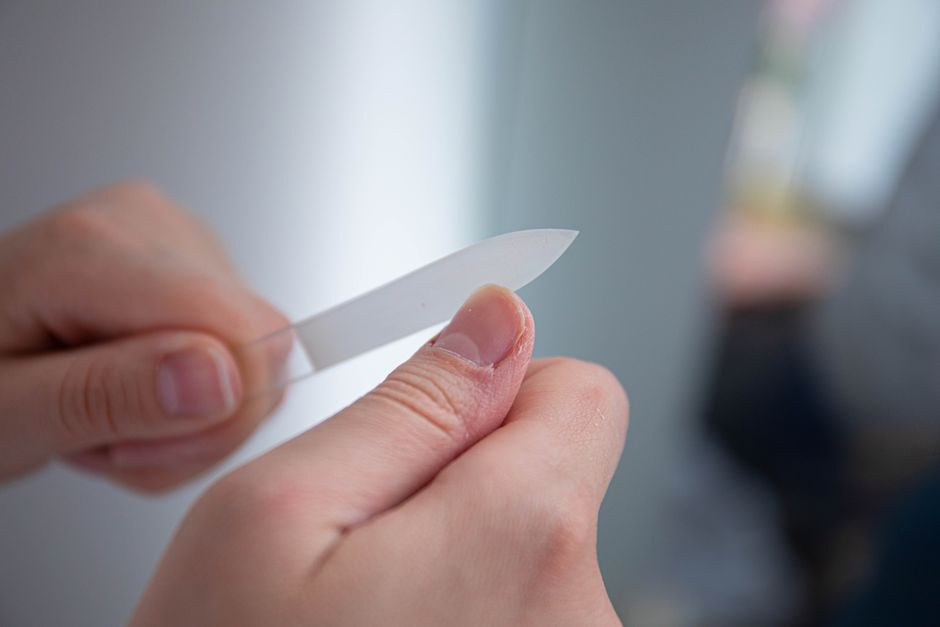
Picking your cuticles until they bleed is a body-focused repetitive behavior. It is not a character flaw or a sign of weak willpower. In clinical terms, it most often falls under a group of conditions called body-focused repetitive behaviors, or BFRBs, which also include hair pulling and skin picking. The behavior usually starts as a response to stress, boredom, or a small uneven piece of skin, then becomes automatic and hard to stop.
The bleeding happens because the cuticle seals the base of the nail, and the skin there is thin and packed with tiny blood vessels. Once you pick past the surface, you reach capillaries. That is why a small area can bleed more than you expect. The urge to keep going is often about relief, not about wanting to cause damage.
Why Do I Pick My Cuticles Until They Bleed Causes Help?
The core driver is a loop between a trigger and a temporary sense of relief. Something draws your attention to your fingers — a rough edge, a hangnail, dryness, or a moment of anxiety. You pick. The picking briefly reduces tension or gives a small rush of satisfaction. That relief teaches your brain to repeat the action. Over time the behavior moves from deliberate to automatic, and you may not notice you are doing it until your fingers hurt.
Several factors tend to sit behind this loop.
- Tension reduction. Many people pick when they feel anxious, frustrated, or overwhelmed. The action discharges some of that pressure.
- Sensory triggers. A jagged piece of skin or a rough nail edge creates an urge to smooth it. The uneven texture itself becomes the cue.
- Boredom and idle time. Hands that are not busy often drift to the fingers, especially during reading, watching, or phone scrolling.
- Automatic habit. Once established, the behavior can run with little conscious awareness.
There is a meaningful difference between occasional cuticle picking and a pattern that causes bleeding, pain, or repeated infections. The first is common. The second is closer to a clinical problem that responds to specific treatments.
Is Cuticle Picking a Mental Health Condition?
It can be. When skin picking is frequent, hard to control, and causes visible damage or distress, it may meet criteria for a condition called excoriation disorder, also known as skin picking disorder. This is listed in the Diagnostic and Statistical Manual of Mental Disorders, the standard reference used by clinicians in the United States.
Excoriation disorder is classified as an obsessive-compulsive and related disorder. That classification matters because it points toward treatments that work for that family of conditions rather than general stress advice alone.
Not everyone who picks their cuticles has this disorder. Some people do it briefly during a stressful period and stop. Others have a mild habit that never causes real harm. The line is usually drawn at three things: how often it happens, how much control you have over it, and how much it interferes with your life or causes physical damage.
Skin picking also overlaps with other conditions. It appears more often in people who have anxiety disorders, depression, or obsessive-compulsive disorder. It can also occur alongside hair pulling. This overlap is one reason a proper evaluation is more useful than self-diagnosis.
What Makes the Bleeding Worse?
Bleeding is not the goal for most people, but certain conditions make it more likely. Dry skin is a major one. When the skin around the nails is dry, it cracks and forms small flaps that catch your attention. You pick at the flap, and it tears deeper than intended.
Cold weather, frequent handwashing, and harsh soaps all strip oils from the skin and increase dryness. So does working with paper, cardboard, or cleaning products. Nail biting often goes hand in hand with cuticle picking and can expose more raw skin.
Once the skin is broken, the area stays sore and rough. That roughness becomes a new trigger, which creates a cycle: pick, damage, heal unevenly, pick again. This is why the same fingers often stay raw for weeks.
There is a real infection risk once the skin is open. The area around a nail can become infected, a condition called paronychia. Signs include swelling, redness, warmth, throbbing pain, and pus. A minor infection may settle on its own, but spreading redness, increasing pain, or pus usually needs medical attention. People with diabetes or weakened immune systems should treat any finger infection more seriously and seek care earlier.




How Is Body-Focused Picking Treated?
The most studied psychological treatment for skin picking is a form of cognitive behavioral therapy called habit reversal training. It is often combined with other strategies under the broader label of comprehensive behavioral treatment. Research on BFRBs generally supports this approach, though study sizes are modest and more research is ongoing.
Habit reversal training has a few core parts.
- Awareness training. You learn to notice the urge and the moment the behavior starts, before it becomes automatic.
- Competing response. You practice a physical action that is incompatible with picking, such as clenching your fists or folding your hands, when the urge hits.
- Trigger management. You identify situations that set off picking and plan for them.
Some clinicians also use a technique called stimulus control, which means changing the environment so picking is harder — for example, keeping nails trimmed smooth or covering fingertips. These are common clinical practices, though the strength of evidence varies by technique.
For more persistent cases, a doctor or psychiatrist may discuss medication. Some evidence supports certain medications used for obsessive-compulsive related conditions, but response varies and no drug is approved specifically for skin picking. This is a decision that belongs with a clinician who knows your history, not something to start on your own.
What Can You Do About It Day to Day?
Practical steps reduce damage and lower the urge. None of these replace treatment for a serious pattern, but they can help break the cycle.
- Keep the skin moisturized. Regular use of a thick moisturizer or ointment softens rough edges so they are less tempting.
- Trim, do not pull. Use clean nail clippers to remove a hangnail straight across rather than tearing it.
- Cover the area. Bandages or fingertip covers interrupt automatic picking and let skin heal.
- Keep hands busy. A small object to fidget with can absorb the urge, especially during idle time.
- Notice your triggers. Track when you pick most — often it is during stress, boredom, or screen time.
One point that surprises many people: the urge usually peaks and then fades within a short time if you do not act on it. That wave-like pattern is the basis of several urge-management techniques. Riding out the peak, rather than fighting it indefinitely, is often more realistic.
If picking is causing repeated bleeding, infections, scarring, or real distress, that is a signal to talk to a doctor or mental health professional. Body-focused repetitive behaviors respond to treatment, and the goal is not perfection. It is fewer episodes, less damage, and more control.
When Should You See a Doctor?
See a doctor if the skin around your nails is infected — swelling, redness, warmth, pus, or throbbing pain that is getting worse. Seek care promptly if redness spreads up the finger or hand, or if you have a fever.
See a mental health professional if you cannot stop despite wanting to, if the behavior causes significant distress, or if it is damaging your skin repeatedly. You do not need to wait until it is severe. Earlier help tends to be easier.
It also helps to mention any other conditions you have. Anxiety, depression, and obsessive-compulsive symptoms often travel together with skin picking, and treating them together usually works better than treating one in isolation.
Frequently Asked Questions
Why do I pick my cuticles until they bleed?
It is usually a body-focused repetitive behavior driven by a loop of stress, sensory triggers, and temporary relief. When picking becomes frequent and hard to control, it may meet criteria for a condition called excoriation disorder.
Is cuticle picking a form of anxiety?
It is not anxiety itself, but it is strongly linked to anxiety and often gets worse during stressful periods. It is classified as an obsessive-compulsive and related disorder when it becomes a clinical problem.
Some research suggests that skin picking and anxiety frequently occur together, which is why treatment often addresses both.
How do I stop picking my cuticles?
The most studied approach is a type of therapy called habit reversal training, which teaches you to notice the urge and use a competing response. Keeping skin moisturized, trimming hangnails instead of pulling, and covering the fingers can reduce damage in the meantime.
Can picking cuticles cause an infection?
Yes. Broken skin around the nail can become infected, a condition called paronychia, with signs like swelling, redness, warmth, and pus. Spreading redness or worsening pain needs medical care.
