
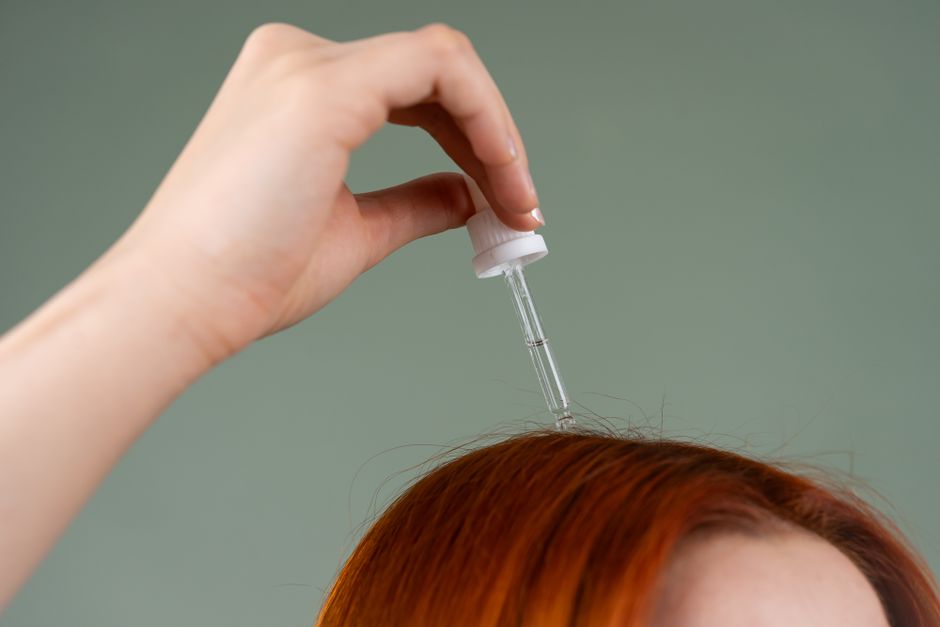
Dry scalp is a common and uncomfortable condition, but the short answer to whether it causes hair loss is no—not directly. A dry scalp itself does not cause hair to fall out. However, the intense itching that often comes with it can lead to scratching, and that scratching can damage hair follicles and break hair strands. The distinction matters because treating the right problem is the only way to protect your hair.
What Is the Difference Between Dry Scalp and Dandruff?
Many people use the terms dry scalp and dandruff interchangeably, but they are different conditions with different causes. This confusion often leads to the wrong treatment, which is why the problem persists.
Dry scalp is simply skin that lacks moisture. The skin on your scalp becomes flaky, tight, and sometimes itchy because the natural oil barrier is depleted. The flakes from a dry scalp are typically small, dry, and white. They fall off easily and are not greasy or yellow.
Dandruff, medically known as seborrheic dermatitis, is a different issue. It is an inflammatory skin condition often linked to an overgrowth of a yeast called Malassezia that naturally lives on the scalp. The flakes from dandruff are usually larger, oilier, and can appear yellowish. The scalp may look red and feel irritated, not just dry.
This distinction is not just academic. A moisturizing shampoo may help a truly dry scalp, but it can worsen dandruff by feeding the yeast with extra oils. Conversely, an anti-dandruff shampoo used on a genuinely dry scalp can strip away remaining moisture and make the dryness worse.
Can Dry Scalp Cause Hair Loss?
Dry scalp alone does not cause hair loss. The hair follicle sits below the surface of the skin, and surface dryness does not reach deep enough to kill or damage the follicle itself. The hair shaft that you see above the skin is already dead tissue. Lack of moisture on the skin surface does not affect the living part of the hair.
However, the behavior associated with dry scalp can cause hair loss. When the scalp itches, people scratch. Scratching with fingernails can be surprisingly forceful. Repeated scratching can:
- Break the hair shaft, causing it to snap off near the root
- Inflame the hair follicle, which can temporarily disrupt normal hair growth
- Create small wounds or scabs on the scalp that interfere with healthy regrowth
This type of hair loss is called traction or mechanical hair loss. It is not the same as genetic hair loss or hormonal hair loss. The important difference is that mechanical hair loss from scratching is usually reversible. Once the scratching stops and the scalp heals, hair typically grows back normally.
How Much Scratching Is Too Much?
There is no official threshold that says “scratching this many times causes hair loss.” The risk depends on how hard you scratch, how often, and how sensitive your scalp is. Light, occasional scratching is unlikely to cause lasting damage. Aggressive, frequent scratching over weeks or months can absolutely lead to noticeable thinning.
One sign that scratching has become a problem is finding broken hairs on your pillow, shoulders, or in the shower drain. Broken hairs have a blunt, frayed end. Hairs that fall out from the root have a small white bulb at the end. If you are seeing mostly broken hairs, mechanical damage from scratching is the likely culprit.
Another warning sign is soreness. A scalp that hurts to the touch after scratching has likely sustained micro-injuries to the skin. These small wounds can become infected if bacteria enter, which adds another layer of inflammation that can further disrupt hair growth.


What Are the Real Causes of Dry Scalp?
Understanding why your scalp is dry in the first place helps you fix the root problem rather than just managing symptoms. Several common factors contribute to a dry scalp:
- Harsh shampoos: Sulfate-based cleansers strip natural oils from the scalp. For people with naturally dry skin, this can leave the scalp parched after every wash.
- Hot water: Washing hair with very hot water removes more oil than lukewarm water and can worsen dryness.
- Cold, dry air: Winter weather and indoor heating reduce humidity, which draws moisture out of the skin, including the scalp.
- Over-washing: Shampooing daily can remove the scalp’s natural protective oil faster than it can replenish.
- Certain skin conditions: Eczema and psoriasis can affect the scalp and cause dryness, flaking, and itching.
Some research also suggests that nutritional deficiencies, particularly in essential fatty acids or vitamin D, may contribute to dry skin. However, the evidence is not strong enough to recommend specific supplements for dry scalp. A balanced diet is always good for skin health, but no food or supplement has been proven to cure a dry scalp.
How to Treat Dry Scalp Without Damaging Hair
The goal of treatment is twofold: restore moisture to the scalp and stop the scratching cycle. Both are equally important.
Moisturize the scalp. Look for shampoos and conditioners labeled as moisturizing or hydrating. Ingredients like glycerin, hyaluronic acid, and aloe vera help attract and retain water in the skin. Avoid shampoos with sulfates if your scalp is consistently dry. Washing with lukewarm water instead of hot water also makes a measurable difference over time.
Stop the itch before it starts. If your scalp itches, resist the urge to scratch. Instead, apply a cool compress or a fragrance-free moisturizer designed for the scalp. Some people find that gently massaging the scalp with fingertips—not nails—relieves the itch without causing damage.
Space out your washes. Washing every day is rarely necessary for scalp health. Every other day or every two days gives the scalp time to rebuild its natural oil barrier. If your hair feels greasy between washes, a dry shampoo can absorb excess oil without stripping the scalp.
Consider a humidifier. In dry climates or during winter, a humidifier in your bedroom can add moisture back into the air, which helps your skin and scalp retain hydration.
When Dry Scalp Is Not the Real Problem
Sometimes the flaking and itching on your scalp are not from dryness at all, and treating it as dryness will not help. Several conditions can mimic a dry scalp:
- Seborrheic dermatitis: As discussed earlier, this is an inflammatory condition, not a moisture problem. It typically requires medicated shampoos containing zinc pyrithione, ketoconazole, or salicylic acid.
- Contact dermatitis: An allergic reaction to a hair dye, shampoo, or styling product can cause itching, flaking, and redness. The fix is identifying and removing the offending product.
- Psoriasis: Scalp psoriasis causes thick, silvery scales and can be quite itchy. It is an autoimmune condition and requires medical management.
- Fungal infection: Ringworm of the scalp, though more common in children, can cause scaling and hair loss. This requires prescription antifungal treatment.
If you have tried moisturizing treatments for several weeks without improvement, or if you notice patches of hair loss, redness, oozing, or pain, see a dermatologist. A proper diagnosis matters because the treatment for each condition is different. Using the wrong product for months only delays effective care.
Can Dry Scalp Cause Permanent Hair Loss?
No. Dry scalp does not cause permanent hair loss. Even the mechanical hair loss from scratching is temporary in almost all cases. Once the scalp heals and the scratching stops, the hair follicles resume their normal growth cycle.
The one exception is if scratching leads to a bacterial infection that damages the follicle severely. This is rare but possible. Signs of infection include increasing pain, warmth, pus, or spreading redness. If you notice these symptoms, seek medical care promptly. Early treatment with antibiotics can prevent permanent follicle damage.
If you are experiencing hair loss alongside a dry scalp, do not assume the dryness is the cause. Genetic hair loss, hormonal changes, thyroid disorders, and iron deficiency are all common causes of thinning hair that have nothing to do with scalp moisture. A doctor can run simple blood tests to check for these underlying issues.
Frequently Asked Questions
Can dry scalp cause hair loss directly?
No, dry scalp does not directly cause hair loss. The hair follicle is located deep enough that surface dryness does not damage it.
Will hair grow back after scratching from dry scalp?
Yes, hair typically grows back once the scratching stops and the scalp heals. Mechanical hair loss from scratching is usually temporary.
How can I tell if my hair loss is from scratching or something else?
If you see broken hairs with blunt ends rather than hairs with white bulbs at the root, scratching is likely the cause. If you are unsure, see a dermatologist for an evaluation.
What is the fastest way to stop a dry scalp itch?
Applying a cool compress or a fragrance-free scalp moisturizer can quickly relieve itching. Avoid scratching, as this only worsens the cycle.
