
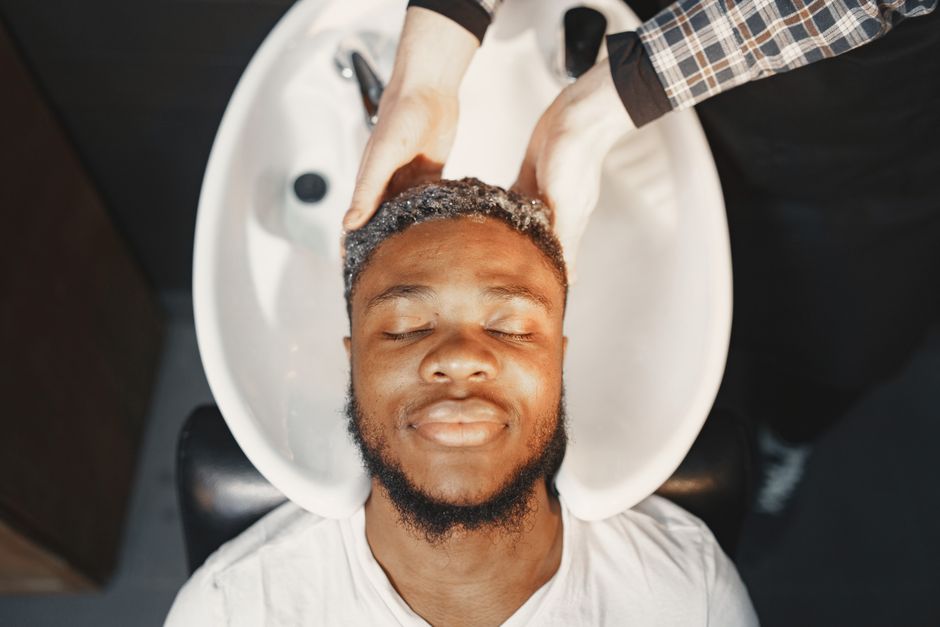
Men dye their hair for many reasons. Some cover gray. Some change their look entirely. But a common worry sits behind that decision: will the dye damage my hair or make it fall out? The short answer is that standard hair dye does not typically cause permanent hair loss. However, it can cause damage to the hair shaft and, in some cases, temporary shedding. Understanding the difference between hair breakage and hair loss from the root is key to knowing what is actually happening to your hair.
Does Mens Hair Dye Damage Hair Or Cause Hair Loss?
Hair dye damages the hair fiber itself, not the follicle where hair grows. This is a critical distinction. When hair breaks off mid-shaft, it looks like hair loss, but the root is still healthy and producing new hair. True hair loss happens at the follicle level, and standard hair dye does not reach the follicle. The dye sits on the outside of the hair strand. It does not penetrate the scalp deeply enough to affect the root.
That said, the damage to the hair shaft can be significant. Chemical dyes lift the outer layer of the hair, called the cuticle, to deposit color inside. This process strips natural moisture and protein. The result can be dry, brittle hair that snaps easily. If you see more hair in the drain, it may be breakage rather than shedding. Breakage is damage. Shedding from the root is a different problem.
What Actually Happens To Your Hair When You Dye It
Hair dye works by altering the structure of the hair strand. Permanent dyes use ammonia to open the cuticle. Then hydrogen peroxide removes natural pigment. Finally, the new color molecules are deposited inside the hair cortex. This triple process is effective, but it is also harsh. Each time you dye, the cuticle is lifted again. Over time, repeated dyeing leaves the cuticle rough and unable to lay flat.
The cortex, which gives hair its strength and elasticity, also takes a hit. When the cortex loses protein and moisture, hair becomes weaker. It stretches less and snaps more easily. This is why heavily dyed hair often feels coarse and looks dull. It is not dead — hair is dead tissue once it leaves the follicle — but it is structurally compromised.
Semi-permanent and demi-permanent dyes are gentler. They do not use ammonia or high volumes of peroxide. They coat the hair and fade over several weeks. They cause less damage but also less dramatic color change. If you want to lighten dark hair significantly, permanent dye is usually required. That process is the most damaging.
Can Hair Dye Trigger Actual Hair Loss From The Root
True hair loss from dyeing is rare but possible. It is not caused by the dye chemicals themselves attacking the follicle. Instead, it is usually a reaction to the process. An allergic reaction to a dye ingredient, most commonly para-phenylenediamine (PPD), can cause scalp inflammation. Severe inflammation can temporarily disrupt the hair growth cycle. This can lead to shedding weeks after the reaction.
Another scenario involves physical trauma to the hair. Tight braids, weaves, or extensions applied to freshly dyed hair can pull on the follicle. This traction can cause hair loss at the root. The dye is not the direct cause, but the combination of damaged hair and tension increases risk. If the scalp becomes irritated or infected after dyeing, that can also affect growth temporarily.
Most shedding from dye-related issues is temporary. Hair follicles are resilient. Once the inflammation or irritation resolves, normal growth usually resumes within a few months. Permanent hair loss from dye alone is extremely uncommon. If you notice patchy hair loss or persistent shedding after dyeing, see a dermatologist. There may be another underlying condition.





How To Tell If You Are Experiencing Breakage Or Shedding
Breakage and shedding look different under close inspection. Breakage produces short pieces of hair with frayed or blunt ends. These pieces are often scattered and vary in length. Shedding produces full-length hairs with a small white bulb at the root end. This bulb is the keratinized root sheath. Seeing it means the hair came out from the follicle, not snapped off.
The pattern also differs. Breakage is often worst at the ends and around the crown where hair is oldest and most exposed. Shedding is diffuse across the whole scalp. You might notice more hair on your pillow, in the shower, or on your brush. If you are unsure, a simple test can help. Pull gently on a small section of hair. If more than a few strands come out with bulbs attached, that is shedding. If strands snap without bulbs, that is breakage.
Knowing the difference matters for treatment. Breakage responds to conditioning and reducing chemical exposure. Shedding may require investigating your health, stress levels, or scalp condition. Dye alone rarely causes true shedding. If it does, it is usually tied to an allergic reaction or scalp trauma.
How To Dye Your Hair With Less Damage
You do not have to give up dyeing to protect your hair. You just need to be strategic. Space out your dye sessions. Waiting eight to ten weeks between permanent color applications gives hair time to recover. Touch up roots only instead of coloring the full length every time. The ends of your hair have been through more. They do not need repeated chemical exposure.
Choose a gentler formula when possible. Ammonia-free dyes and demi-permanent options cause less cuticle damage. They are not damage-free, but they are kinder. If you are covering gray, demi-permanent dyes work well and fade gradually. This avoids the harsh line of regrowth that comes with permanent color.
Use a deep conditioning treatment regularly. Protein treatments can temporarily strengthen the hair fiber, but do not overdo them. Too much protein makes hair stiff and brittle. Balance protein with moisture. Look for conditioners with ingredients like ceramides or fatty alcohols that help smooth the cuticle. Avoid heat styling on dyed hair. Heat accelerates moisture loss and worsens breakage.
What To Do If Your Hair Is Already Damaged
If your hair is dry, brittle, or snapping, stop dyeing for a while. Give it three to six months to recover. No product can truly repair damaged hair. The only permanent fix is cutting off the damaged length and letting new, healthy hair grow in. Conditioners and treatments are temporary patches. They smooth the cuticle and reduce friction, but they cannot rebuild the cortex.
Trim regularly. Removing split ends prevents them from traveling up the shaft. If your hair is severely damaged, a shorter cut may be the most practical option. Be patient. Hair grows about half an inch per month on average. It takes time to grow out damage.
If you are seeing actual shedding with root bulbs, do not assume it is from dye. Consider other causes. Stress, illness, weight loss, or hormonal changes can all trigger shedding. Medications can too. If shedding continues for more than a few months, see a doctor. They can run blood tests to check for deficiencies or thyroid issues.
Frequently Asked Questions
Does hair dye permanently damage hair follicles?
No, standard hair dye does not reach the follicle and does not cause permanent follicle damage. The damage is limited to the hair shaft above the scalp.
Can hair dye cause baldness?
Hair dye alone rarely causes baldness. Severe allergic reactions can cause temporary shedding, but permanent baldness from dye is extremely rare.
How long does hair shedding last after dyeing?
If shedding occurs due to an allergic reaction or scalp irritation, it typically resolves within a few months once the irritation stops. Persistent shedding warrants a medical evaluation.
Is ammonia-free hair dye safer for your hair?
Ammonia-free dyes are generally less damaging to the hair cuticle than traditional permanent dyes. They are a gentler option, though not completely without risk of damage.
