
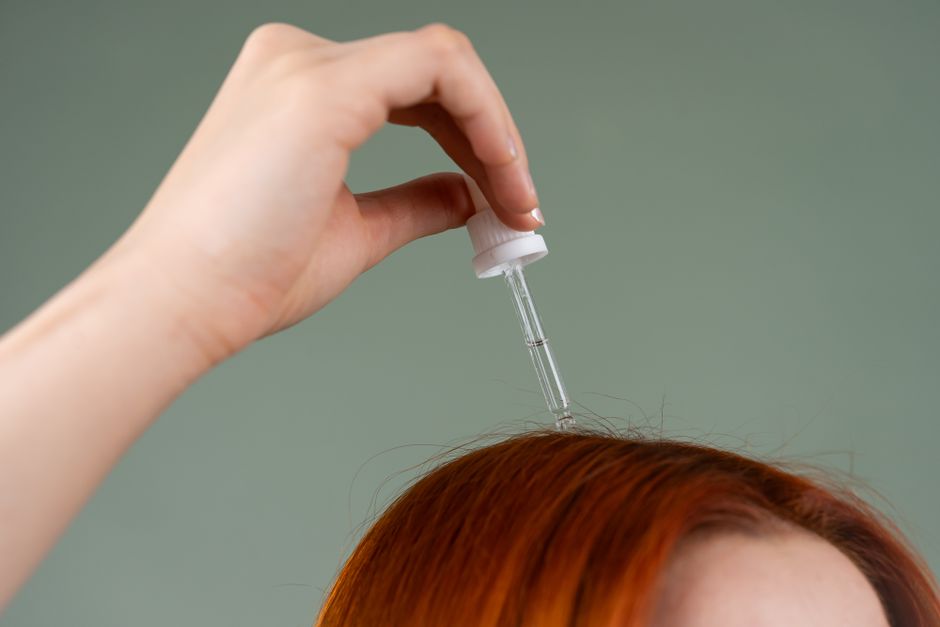
Toppik is a popular brand of hair fiber product used to make thinning hair look thicker. Millions of people use these products daily. The short answer is that Toppik is generally considered safe for most people when used as directed, but it is not completely risk-free. Some users do report scalp irritation, and there are important details to understand about how these fibers interact with your scalp and whether they can contribute to hair loss.
What Exactly Is Toppik and How Does It Work?
Toppik consists of tiny keratin fibers that are statically charged. When you shake or spray them onto your hair, they cling to existing hair strands. This creates the visual appearance of thicker, fuller hair. The fibers do not penetrate the scalp. They do not change hair growth. They are a cosmetic cover-up, not a treatment.
The fibers are made from keratin, which is the same protein that makes up your natural hair. They are colored to match different hair shades. Most users find the effect looks natural and lasts until the next shampoo.
Understanding that these are purely cosmetic is important. No fiber product can stop hair loss, reverse thinning, or regrow hair. If you are using Toppik, you are hiding the problem, not solving it. That is fine as a choice, but it should be a clear-eyed one.
Can Toppik Cause Scalp Irritation?
Yes, some people do experience scalp irritation from Toppik. The most common complaints are itching, redness, and a feeling of tightness or dryness. This is not extremely common, but it happens often enough that the manufacturer lists it as a possible side effect.
The irritation usually comes from one of two sources. The first is the fibers themselves. While keratin is generally well-tolerated, some people have sensitive skin that reacts to any foreign particles sitting on the scalp. The second source is the applicator. Toppik is applied using a shaker or spray device that can rub against the scalp. Repeated friction, especially on already sensitive skin, can cause irritation.
Another factor is how the product interacts with your scalp’s natural oils. The fibers can absorb oil and dead skin cells. If you do not wash your hair frequently enough, this buildup can clog pores and lead to folliculitis — an inflammation of the hair follicles. Folliculitis looks like small red bumps and can be itchy or tender.
If you have a known sensitivity to cosmetic products, or if you have conditions like eczema or psoriasis on your scalp, you may be at higher risk for irritation. Some dermatologists recommend doing a small patch test on the inside of your arm before applying any hair fiber product to your scalp for the first time.
Does Toppik Cause or Worsen Hair Loss?
Toppik does not directly cause hair loss. The fibers do not enter the hair follicle. They do not affect the hair growth cycle. The keratin protein is not toxic to hair roots. There is no mechanism by which the product itself would make your hair fall out.
However, there are indirect ways that using hair fibers can contribute to hair loss. The most significant is scalp hygiene. If you apply fibers daily and do not wash them out thoroughly, you create a layer of debris on your scalp. This can trap bacteria, oil, and sweat. Over time, this buildup can inflame the scalp. Chronic inflammation around hair follicles can weaken them and lead to shedding.
Another indirect risk is aggressive styling. Some people use extra hairspray or styling products to keep fibers in place. Pulling hair tightly, brushing vigorously to distribute fibers, or using harsh chemicals to remove them can all cause mechanical damage. Traction on the hair shaft can lead to breakage.
There is also a psychological component. Some users become dependent on fibers and avoid washing their hair frequently to preserve the look. This is understandable, but it increases the risk of scalp buildup. If you notice more hair in your brush or on your pillow while using Toppik, examine your washing routine before blaming the product.





Are There Any Long-Term Risks of Using Hair Fibers?
There are no large, long-term clinical studies specifically on Toppik or similar hair fiber products. This is an important gap in the evidence. We know the ingredients are generally regarded as safe for topical use. But “generally regarded as safe” is not the same as “proven safe for daily scalp use over years.”
What we do know comes from dermatology practice and case reports. The main long-term concerns are chronic scalp irritation and folliculitis. If left untreated, repeated folliculitis can cause scarring. Scarring of the scalp can permanently destroy hair follicles. This is rare, but it is a real possibility for people who develop frequent infections.
There is no evidence that keratin fibers cause cancer, hormonal changes, or systemic health problems. The particles are too large to be absorbed through the skin in meaningful amounts. The risk is local, not systemic.
For most users, years of use will not cause problems. But the absence of long-term safety data means you are accepting a small unknown. That is a reasonable trade-off for many people, but it should be an informed one.
How to Use Toppik Safely to Minimize Risks
If you decide to use Toppik, there are practical steps to reduce your risk of irritation and hair loss.
- Wash your hair regularly. Most dermatologists recommend washing at least every other day when using hair fibers daily. This removes buildup before it can cause problems.
- Apply fibers to dry hair only. Applying to wet or damp hair can cause clumping and make removal harder.
- Do not rub or press the applicator hard against your scalp. A gentle shake is enough.
- Remove fibers gently. Use a mild shampoo and avoid aggressive scrubbing. Let the water and shampoo do the work.
- Take breaks. If you use fibers every day for months, consider giving your scalp a few days off each week.
- Watch for warning signs. If you develop persistent itching, redness, bumps, or tenderness, stop using the product and see a dermatologist.
These steps do not guarantee you will avoid irritation. But they address the most common causes of problems.
Is Toppik Safe for People with Existing Scalp Conditions?
If you have active scalp conditions like seborrheic dermatitis, psoriasis, or severe dandruff, you should be cautious. Hair fibers can worsen these conditions by trapping scales and oil against the skin. The irritation from the fibers themselves can also trigger flare-ups.
Some dermatologists advise against using any hair fiber product on an actively inflamed scalp. The priority should be treating the underlying condition first. Once your scalp is calm and healthy, you can consider fibers again.
If you are undergoing treatments for hair loss like minoxidil or finasteride, Toppik does not interfere with these medications. The fibers sit on the hair shaft, not the scalp. You can use both simultaneously. However, you should apply minoxidil first and allow it to dry completely before adding fibers. Applying fibers over wet minoxidil can trap the medication and reduce its effectiveness.
What Are the Alternatives to Toppik?
If you are worried about scalp irritation or long-term effects, there are alternatives worth considering.
Powdered concealers like Toppik are the most common. Some brands offer similar keratin fibers with slightly different applicators. If one brand irritates you, another might not.
Sprays and mousses with tinted polymers are another option. These coat the hair shaft with color rather than adding fibers. They can look natural but may not provide as much volume as fibers.
For a more permanent approach, consider treating the underlying hair loss. Minoxidil is available over-the-counter and has strong evidence for slowing hair loss and promoting regrowth. Finasteride requires a prescription and is only approved for men. Both require consistent use for months to see results.
There is no clinical evidence that any supplement, laser cap, or topical serum can regrow hair as effectively as these two medications. Some products help, but results vary widely.
Frequently Asked Questions
Can Toppik cause permanent hair loss?
No direct evidence shows Toppik causes permanent hair loss. However, chronic scalp irritation or folliculitis from poor hygiene could theoretically lead to scarring, so stop use if you develop persistent symptoms.
Is it safe to sleep with Toppik in your hair?
Sleeping with fibers in your hair is generally safe but not ideal. Fibers can rub off onto your pillow and may contribute to buildup if you do not wash regularly.
Does Toppik contain any harmful chemicals?
Toppik’s main ingredient is keratin protein, which is generally recognized as safe for topical use. It does not contain known carcinogens or hormone-disrupting chemicals based on available ingredient information.
Can I use Toppik with minoxidil?
Yes, you can use both together. Apply minoxidil first, let it dry completely, then apply Toppik fibers on top.
