
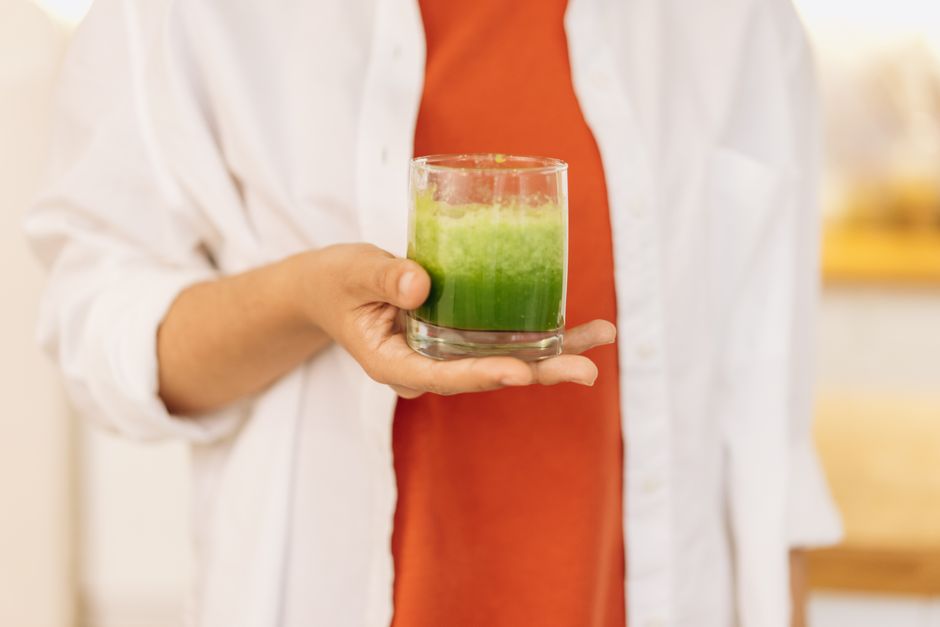
Yes, you can drink green tea while pregnant, but the amount matters. Most healthcare providers agree that moderate consumption — generally considered one to two cups per day — is safe. The main concern is caffeine, not the tea itself. A standard cup of green tea contains about 25-45 mg of caffeine, which is significantly less than coffee.
How Much Caffeine Is Safe During Pregnancy?
Major health organizations advise pregnant women to keep caffeine intake under 200 mg per day. That translates to roughly two cups of green tea, depending on how strong you brew it. Some research suggests even lower amounts may be prudent, but 200 mg remains the most widely cited guideline.
Your body clears caffeine more slowly during pregnancy. In the second and third trimesters, caffeine’s half-life can nearly triple. That means the caffeine from your morning cup stays in your system much longer than it did before pregnancy. The placenta does not fully metabolize caffeine, so some passes to your baby.
Caffeine Content: Green Tea vs. Other Drinks
Green tea sits in the middle of the caffeine spectrum. Coffee packs far more, while herbal teas typically have none. Understanding these differences helps you make informed choices throughout the day.
| Beverage | Approximate Caffeine per 8 oz cup |
|---|---|
| Coffee (brewed) | 95-200 mg |
| Black tea | 40-70 mg |
| Green tea | 25-45 mg |
| White tea | 15-30 mg |
| Decaf green tea | 2-5 mg |
| Herbal tea (caffeine-free) | 0 mg |
These figures vary by brand, leaf quality, and steeping time. A longer steep extracts more caffeine. Bagged teas often deliver more caffeine than loose leaf because the leaves are more broken up.
What About the Compounds in Green Tea Beyond Caffeine?
Green tea contains catechins, a type of antioxidant. The most studied catechin is EGCG. Some laboratory research suggests very high doses of EGCG could interfere with folate absorption. Folate is critical in early pregnancy for neural tube development.
This concern applies mainly to concentrated extracts and supplements, not brewed tea. The amount of EGCG in a normal cup of green tea is far lower than what is found in supplements. No clinical evidence shows that drinking moderate amounts of green tea harms fetal development.
One additional consideration: green tea can reduce iron absorption from plant sources. Tannins in tea bind to non-heme iron. If you have anemia or low iron stores, drink green tea between meals rather than with iron-rich foods.





Can Green Tea Help With Pregnancy Symptoms?
Some pregnant women turn to green tea for nausea or fatigue. The evidence here is limited. Green tea is not a proven treatment for morning sickness. Ginger tea has more research behind it for nausea, though even that evidence is modest.
For fatigue, the small caffeine boost may help, but it is not a substitute for rest and proper nutrition. Pregnancy fatigue stems from hormonal changes and increased metabolic demands. Caffeine temporarily masks it rather than addressing the cause.
Do not use green tea or any caffeinated beverage as a strategy to manage pregnancy symptoms without discussing it with your provider first.
Green Tea Extract Supplements During Pregnancy
Green tea extract supplements are a different matter entirely. These concentrated products deliver far more catechins than brewed tea. Some contain as much EGCG as 10 to 50 cups of green tea in a single pill.
No clinical guidelines exist for green tea extract use during pregnancy. The safety profile is unknown, and the theoretical risks around folate absorption and liver toxicity are more relevant at these high doses. Avoid green tea extract supplements while pregnant or breastfeeding unless a healthcare provider specifically recommends them.
This distinction matters. A cup of tea and a supplement are not equivalent. The delivery method changes the dose dramatically.
How to Drink Green Tea Safely During Pregnancy
Practical habits help you stay within safe limits without giving up tea entirely.
- Limit yourself to one or two cups per day
- Count all caffeine sources — coffee, soda, chocolate, and medications
- Steep for less time to reduce caffeine extraction
- Choose decaffeinated green tea if you want more than two cups
- Drink between meals to avoid interfering with iron absorption
- Skip green tea if you have severe anemia unless cleared by your doctor
Track your total daily caffeine rather than focusing only on tea. Many women consume caffeine from multiple sources without realizing it. A cup of coffee in the morning plus two cups of green tea in the afternoon can push you near or over the 200 mg threshold.
Decaffeinated Green Tea: A Safer Option?
Decaffeinated green tea offers a practical alternative for women who want the flavor and routine without the caffeine. The decaffeination process removes most but not all caffeine. A typical cup contains 2-5 mg, well within any safety limit.
The process also reduces some catechins, though the tea retains meaningful antioxidant content. If you enjoy green tea and want to drink it freely throughout the day, decaf is a reasonable choice. It is not a compromise in safety — it is simply a different product with a different caffeine profile.
What the Research Actually Shows
Studies on green tea specifically during pregnancy are limited. Most research focuses on caffeine broadly rather than green tea as a distinct exposure. The consistent finding across studies is that moderate caffeine intake below 200 mg per day does not increase risks of miscarriage, preterm birth, or low birth weight.
Some studies have suggested a possible link between higher caffeine intake and lower birth weight. These findings generally involve total caffeine consumption above the 200 mg threshold. The evidence does not single out green tea as uniquely problematic.
Research on green tea polyphenols in pregnancy is mostly preclinical — meaning animal or laboratory studies. These cannot directly translate to human pregnancy outcomes. No large human trials have specifically evaluated green tea consumption during pregnancy.
When to Talk to Your Doctor
Certain situations warrant a conversation with your healthcare provider before drinking green tea regularly. If you have a history of anemia, gestational diabetes, or pregnancy complications, your provider may have specific guidance. The same applies if you are carrying multiples or have been advised to limit caffeine for other medical reasons.
Your provider can help you weigh the tradeoffs. For most women, the choice comes down to personal preference and caffeine tolerance. Green tea is not required for a healthy pregnancy, and it is not forbidden either.
Frequently Asked Questions
How many cups of green tea can I drink while pregnant?
Most guidelines allow up to two cups per day, keeping total caffeine under 200 mg. Count caffeine from all sources, not just tea.
Is decaffeinated green tea safe during pregnancy?
Yes, decaffeinated green tea is safe and contains only about 2-5 mg of caffeine per cup. It is a good option if you want to drink more than two cups daily.
Can green tea cause miscarriage?
No evidence links moderate green tea consumption to miscarriage. High total caffeine intake above 200 mg per day has been associated with increased risk in some studies.
Should I avoid green tea extract supplements while pregnant?
Yes, avoid green tea extract supplements during pregnancy. These concentrated products deliver doses far higher than brewed tea, and no safety data exists for their use in pregnancy.
