
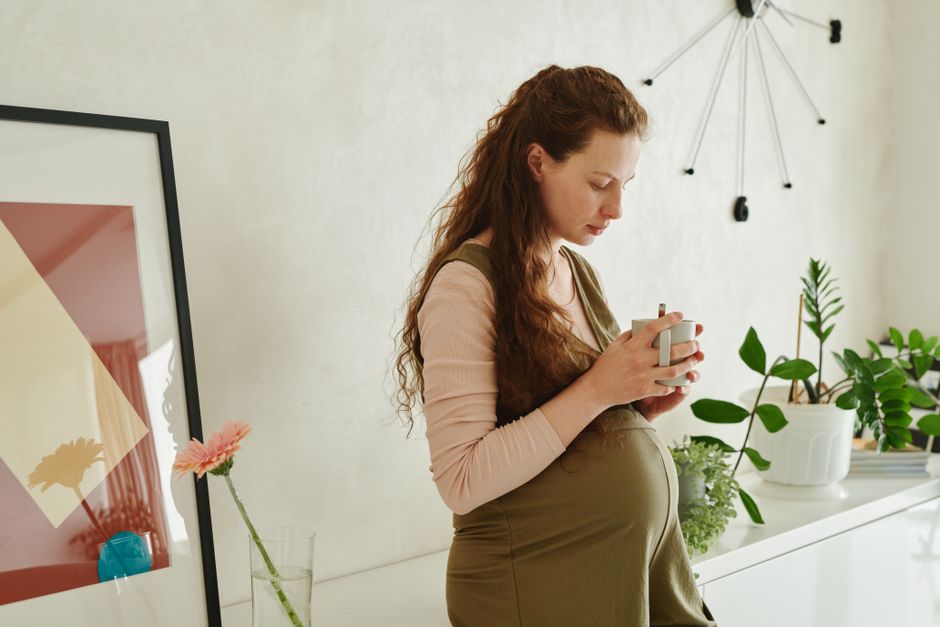
Most pregnant women can safely have up to 200 milligrams of caffeine per day. That is roughly the amount in one 12-ounce cup of coffee. This limit comes from clinical guidelines based on research linking higher daily intake to increased risks of miscarriage and low birth weight.
What Does 200 Milligrams of Caffeine Look Like?
Caffeine hides in more places than coffee. Knowing the actual amounts in common drinks and foods matters because the 200 mg limit adds up faster than most people expect.
- Brewed coffee (8 oz): 95 mg
- Espresso (1 oz): 63 mg
- Black tea (8 oz): 47 mg
- Green tea (8 oz): 28 mg
- Cola (12 oz): 34 mg
- Dark chocolate (1 oz): 23 mg
These are average values. Actual caffeine content varies by brand, brewing method, and serving size. A large coffee from a cafe can easily contain 200 mg or more in a single cup.
Consider what a typical day looks like. One 12-ounce coffee plus one can of cola puts you near the limit. Add a piece of dark chocolate in the afternoon and you have passed it.
Why Is Caffeine a Concern During Pregnancy?
Caffeine crosses the placenta. The developing baby cannot metabolize it the way an adult can. The fetal liver is immature, so caffeine remains in the baby’s bloodstream much longer.
Caffeine also constricts blood vessels. This can reduce blood flow to the placenta, which delivers oxygen and nutrients to the baby. Over time, reduced placental blood flow is associated with slower fetal growth.
The research on caffeine and pregnancy outcomes is extensive but not entirely uniform. Some studies show no harm at moderate intake. Others show measurable risk differences even below 200 mg per day. The 200 mg guideline is a conservative line drawn from the overall pattern of evidence.
One important distinction: caffeine is not classified as a teratogen. It does not cause birth defects at typical dietary levels. The concerns are about pregnancy loss, growth restriction, and low birth weight, not structural abnormalities.
What Does the Research Actually Show?
Large observational studies have examined caffeine intake across thousands of pregnancies. The consistent finding is a dose-response relationship — higher caffeine intake correlates with higher risk of adverse outcomes.
Research published in the BMJ analyzed data from over 5,000 pregnant women. The study found that caffeine intake above 200 mg per day was associated with increased risk of low birth weight and fetal growth restriction. Women consuming under 200 mg daily showed no significant increase in these risks.
Other studies have looked at miscarriage specifically. A meta-analysis of prospective studies found that caffeine intake above 200 mg daily was linked to a higher miscarriage rate. The risk appeared to climb with each additional cup consumed.
Some researchers argue the evidence for harm below 300 mg daily is weak. Others point to studies showing measurable effects even at moderate intake. This is why guidelines recommend caution rather than a precise safe threshold.
The American College of Obstetricians and Gynecologists recommends limiting caffeine to under 200 mg per day during pregnancy. This is the most widely cited guideline in the United States. Health organizations in the United Kingdom and elsewhere have adopted similar limits.




Are There Times When Less Caffeine Is Safer?
The first trimester is when the fetus is most vulnerable to environmental exposures. Organ development happens rapidly during these first 12 weeks. Some research suggests caffeine’s effects on miscarriage risk are strongest in early pregnancy.
The evidence is not strong enough to recommend a different limit for each trimester. But many clinicians advise extra caution in the first trimester simply because the developing fetus is most sensitive during this window.
Certain medical conditions may warrant a lower limit. Women with high blood pressure, preeclampsia risk, or a history of miscarriage might be advised to avoid caffeine entirely. These are individual clinical decisions, not blanket recommendations.
If you are struggling with nausea and vomiting in early pregnancy, caffeine can make symptoms worse. Coffee is acidic and stimulates gastric acid production. Some women find they naturally lose their taste for coffee in the first trimester.
How Does Caffeine Affect Fertility and Conception?
The question of caffeine and fertility is separate from pregnancy itself. Some studies have examined whether caffeine affects a woman’s ability to conceive.
The evidence here is weaker and more mixed than the pregnancy outcome data. Some studies suggest high caffeine intake — above 500 mg daily — may delay conception. Others find no association at moderate intake levels.
A large prospective study from the Nurses’ Health Study found that women consuming over 300 mg of caffeine daily had a slightly lower fertility rate. The effect was modest. Most women in the study who consumed moderate amounts conceived without difficulty.
For couples trying to conceive, the practical takeaway is simple. Staying under 200 mg daily is a reasonable approach. There is no strong evidence that this level impairs fertility, and it aligns with pregnancy guidelines if conception occurs.
What About Decaf Coffee and Other Alternatives?
Decaf coffee is not caffeine-free. An 8-ounce cup of decaf contains about 2 to 5 mg of caffeine. This is negligible for pregnancy purposes.
Herbal teas are naturally caffeine-free. But not all herbal teas are safe during pregnancy. Some herbs, such as sage and certain others, are not recommended in pregnancy due to lack of safety data. Stick to well-known pregnancy-safe options like ginger, peppermint, or rooibos.
Chocolate contains caffeine in small amounts. Theobromine, a related compound also found in chocolate, has stimulant properties similar to caffeine. The amounts are small enough that normal chocolate consumption is not a concern, but it should still count toward your daily total.
Energy drinks deserve special caution. These products often contain 100 to 300 mg of caffeine per serving. They also frequently contain other stimulants and high sugar levels. Energy drinks are not a good choice during pregnancy at any serving size.
What If You Have Already Had More Than 200 Mg?
One day above the limit is not a reason for panic. The research on caffeine and pregnancy outcomes looks at patterns over weeks and months, not single days.
If you realize you have exceeded 200 mg, simply reduce your intake going forward. Do not try to “compensate” by cutting caffeine completely and then worrying about the withdrawal symptoms.
Abruptly stopping caffeine can cause headaches, fatigue, and irritability. These symptoms are unpleasant but not dangerous to the pregnancy. If you want to reduce intake, tapering down over several days is more comfortable.
The key is consistency. Staying under 200 mg most days is the goal. Occasional small overshoots are unlikely to cause measurable harm, but keeping daily intake within the limit is the safest approach.
How to Cut Back Without Suffering Withdrawal
Gradual reduction works better than going cold turkey. If you typically drink two cups of coffee, switch to one cup for a week. Then switch to half-caff or a smaller cup.
Mix regular coffee with decaf to reduce caffeine while keeping the taste and ritual. This simple strategy allows you to halve your intake without noticing much difference.
Pay attention to hidden sources. Some pain relievers contain caffeine. So do some weight loss supplements and certain flavored waters. Read labels carefully during pregnancy.
Track your intake for a few days. Most people are surprised by how much caffeine they actually consume. A simple written log gives you an accurate picture and helps you stay within the limit.
Frequently Asked Questions
Can I have one cup of coffee a day while pregnant?
Yes, one standard 8-ounce cup of brewed coffee contains about 95 mg of caffeine, which is within the 200 mg daily limit. A larger cafe-sized coffee may exceed the limit, so check the serving size.
Is decaf coffee safe during pregnancy?
Yes, decaf coffee is safe because it contains only 2 to 5 mg of caffeine per cup. This amount is negligible and does not count meaningfully toward your daily limit.
Can caffeine cause a miscarriage?
Research links caffeine intake above 200 mg per day to a higher risk of miscarriage. Staying under 200 mg daily is associated with no significant increase in risk.
Does caffeine in chocolate count toward the 200 mg limit?
Yes, chocolate contains small amounts of caffeine that add to your daily total. One ounce of dark chocolate contains about 23 mg, so it matters only if you eat large amounts.
