
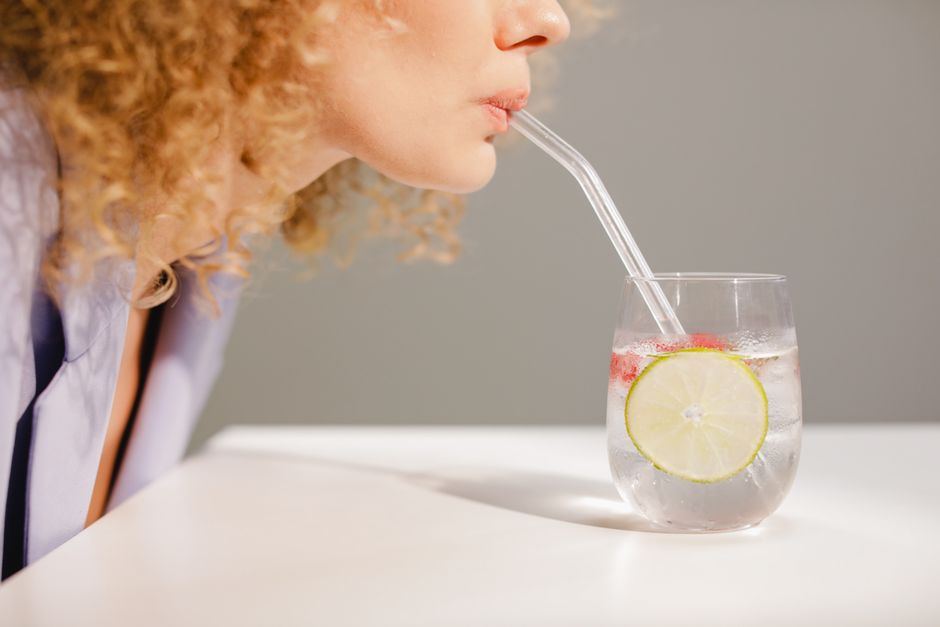
If you have high potassium, what you drink matters. Water is the safest and most reliable choice. Some beverages can help your body remove extra potassium, while others can push your levels dangerously higher. The key is knowing which drinks support healthy kidneys and which ones work against them.
What Can I Drink To Lower My Potassium Levels?
The best drinks for lowering potassium are plain water and beverages that help your kidneys flush out excess potassium. Your kidneys filter potassium from your blood and remove it through urine. Drinking more fluid increases urine output, which helps clear potassium from your body.
Water is the clear winner. It contains no potassium, no calories, and no additives that could strain your kidneys. For most people with high potassium, increasing water intake is the simplest and safest strategy.
Some research suggests that certain herbal teas may have a mild diuretic effect, meaning they encourage urination. However, the evidence for specific teas lowering potassium is limited. No tea has been proven to reliably reduce potassium levels in clinical studies.
Why Does Potassium Get Too High?
Potassium is an essential mineral. Your muscles, nerves, and heart all depend on it. Your body keeps potassium in a narrow range, normally between 3.5 and 5.0 milliequivalents per liter (mEq/L) of blood.
High potassium, called hyperkalemia, happens most often when the kidneys cannot filter enough potassium out. Chronic kidney disease is the most common cause. Certain medications, including some blood pressure drugs called ACE inhibitors and ARBs, can also raise potassium levels. So can potassium-sparing diuretics.
Other causes include uncontrolled diabetes, adrenal gland disorders, and eating very large amounts of potassium-rich foods. Sometimes a blood test result is falsely high because the blood sample was handled incorrectly, which is called pseudohyperkalemia.
Mild hyperkalemia often causes no symptoms. As levels climb higher, you may feel muscle weakness, fatigue, or tingling. Dangerous levels can cause irregular heart rhythms, which are a medical emergency. If you have been told your potassium is high, never ignore it.
Which Drinks Are Safest for High Potassium?
Your safest options contain little to no potassium. Water is the obvious first choice. Plain seltzer or sparkling water is also fine, as long as it has no added potassium or flavorings that contain potassium.
Some other beverages can be safe in moderation:
- Plain brewed coffee — contains small amounts of potassium, usually around 50-60 mg per cup. For most people this is fine, but check with your doctor if your potassium is very high.
- Plain black or green tea — similar to coffee, contains modest potassium. Herbal teas vary widely, so read labels carefully.
- Lemonade made from fresh lemons — lemons are low in potassium compared to oranges and bananas. Fresh lemon juice in water adds flavor without much potassium.
- Cranberry juice — lower in potassium than orange, prune, or tomato juice. Still, check the label for added potassium or sweeteners.
Avoid these drinks entirely if your potassium is high:
- Orange juice, prune juice, tomato juice, and carrot juice
- Coconut water — extremely high in potassium
- Sports drinks with electrolytes — many contain significant potassium
- Milk and plant milks — both contain potassium
- Any drink with potassium added as an ingredient
Read every nutrition label. Some bottled waters and flavored waters now contain added electrolytes, including potassium. “Enhanced” waters marketed for athletes or hydration can contain 100 mg or more of potassium per serving.




How Much Water Should You Drink?
There is no universal recommendation for water intake in people with high potassium. The right amount depends on your kidney function, heart health, and other medical conditions.
For people with healthy kidneys, general guidance suggests about 8 cups (64 ounces) of fluid per day, but individual needs vary. Some people need more, especially in hot weather or with physical activity. Others, particularly those with heart failure or advanced kidney disease, may need to limit fluids to prevent fluid buildup.
Your doctor or a renal dietitian can give you a specific fluid target. Do not suddenly increase your water intake dramatically without asking your care team first. Drinking too much water too quickly can dilute your blood sodium, which carries its own serious risks.
Does Lemon Water Actually Help?
Lemon water is often recommended for people with kidney concerns. The evidence base is thin, but what exists is interesting.
Lemons contain citric acid. Some research suggests that citrate may bind to calcium in the kidneys and help prevent kidney stones. There is also some evidence that lemon juice may increase urine citrate levels, which could be protective for certain types of kidney stones.
However, no clinical study has shown that lemon water lowers blood potassium levels. The claim that lemon water “flushes” potassium is not supported by direct evidence. What lemon water does do is provide a low-potassium, flavorful alternative to plain water, which may help you drink more fluids overall. That increased fluid intake is what actually helps your kidneys clear potassium.
If you like lemon water, drink it. Just do not expect it to be a medical treatment for hyperkalemia.
What About Apple Cider Vinegar or Baking Soda?
You may have seen online claims that apple cider vinegar lowers potassium. This is not supported by clinical evidence. No study has demonstrated that drinking apple cider vinegar reduces blood potassium levels. In fact, some case reports suggest that excessive vinegar intake can cause low potassium, not high, by a different mechanism — but that is not a safe or sensible treatment for hyperkalemia either.
Baking soda (sodium bicarbonate) is a different story. It is sometimes used medically to treat severe hyperkalemia in hospital settings. It works by shifting potassium from your blood into your cells, temporarily lowering the measured level. But this is a medical intervention, not a home remedy. Taking baking soda on your own can be dangerous. It can cause severe electrolyte imbalances, swelling, and heart problems, especially if you have kidney disease or heart failure.
Never self-treat high potassium with baking soda or any home remedy. This is a condition that requires medical supervision.
When Is High Potassium an Emergency?
Potassium levels above 5.5 mEq/L are considered high and require prompt medical attention. Levels above 6.0 mEq/L are dangerous and can cause cardiac arrest. This is not something to manage at home with drinks.
Go to an emergency room immediately if you experience:
- Chest pain or palpitations
- Severe muscle weakness
- Numbness or tingling in your hands, feet, or lips
- Difficulty breathing
- Fainting or feeling like you might pass out
These symptoms can indicate that potassium is affecting your heart’s electrical activity. Delaying treatment can be fatal.
If you have chronic kidney disease, diabetes, or take medications that affect potassium, ask your doctor how often you should have your potassium checked. Regular monitoring is the best way to catch problems before they become emergencies.
What Else Can You Do Besides Changing Drinks?
Beverages are only one part of managing potassium. Food choices matter more because most people get far more potassium from food than from drinks.
High-potassium foods include bananas, oranges, potatoes, sweet potatoes, spinach, avocados, tomatoes, beans, and nuts. Low-potassium options include apples, berries, grapes, pineapple, cucumbers, lettuce, rice, and pasta.
If you have chronic kidney disease, a renal dietitian can help you build a meal plan that keeps potassium in range while still meeting your nutritional needs. Restricting potassium too aggressively can cause problems of its own, including low potassium, which also affects heart rhythm.
Some medications help bind potassium in your gut so it leaves your body through stool instead of being absorbed. These are prescription treatments, not supplements you can buy over the counter. They are used when dietary changes alone are not enough.
Managing the underlying cause matters too. If a medication is driving your potassium up, your doctor may adjust the dose or switch you to an alternative. If diabetes is the issue, better blood sugar control may help. If kidney disease is advanced, you may need to see a nephrologist, a doctor who specializes in kidney care.
Frequently Asked Questions
Is coconut water bad for high potassium?
Yes. Coconut water is very high in potassium, with about 600 mg per cup. Avoid it entirely if your potassium is elevated.
Can drinking more water lower potassium quickly?
Drinking water can help your kidneys clear potassium, but it is not a fast fix. It takes hours to days to meaningfully change your blood potassium level, and severe hyperkalemia requires emergency medical treatment.
Is Gatorade safe to drink with high potassium?
No. Most sports drinks contain added potassium and other electrolytes. Check the label — if potassium is listed as an ingredient, avoid it.
Does coffee raise or lower potassium?
A regular cup of black coffee contains a small amount of potassium, around 50-60 mg. For most people this is not a problem, but it does not lower potassium either. If your potassium is very high, ask your doctor about safe limits.
