
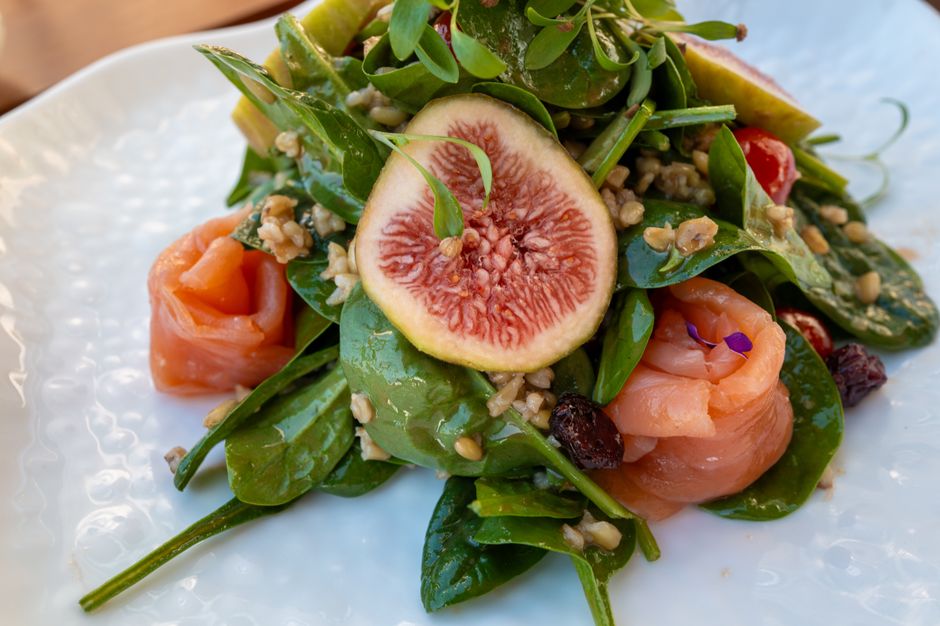
Smoked salmon is a popular food, but pregnancy changes the rules about what is safe to eat. The short answer is that it depends on how the salmon was smoked and prepared. Cold-smoked salmon carries real risks that most pregnant women should avoid, while hot-smoked salmon is generally considered safe when handled properly.
What Is the Difference Between Cold-Smoked and Hot-Smoked Salmon?
The smoking process determines the safety of the fish. Cold-smoked salmon is cured and smoked at temperatures between 70°F and 90°F. This low temperature gives it that silky, delicate texture you find on bagels and in fancy appetizers. But it never gets hot enough to kill harmful bacteria.
Hot-smoked salmon is cooked during the smoking process at temperatures above 145°F. The fish is flaky and fully cooked when you buy it. This distinction matters because fully cooked fish is safe during pregnancy, while raw or undercooked fish is not.
Many people cannot tell the difference just by looking. The packaging often says “cold-smoked” or “hot-smoked” on the label. When in doubt, ask the person behind the counter or check the product description.
Why Is Cold-Smoked Salmon a Concern During Pregnancy?
Cold-smoked salmon falls into the same category as other raw fish products like sushi and ceviche. The concern is a bacterium called Listeria monocytogenes. This bacteria can grow even in refrigerated foods, which is unusual and makes it especially dangerous.
Listeria infection during pregnancy is rare but serious. It can cross the placenta and harm the baby. According to the Centers for Disease Control and Prevention, pregnant women are about 10 times more likely to get a Listeria infection than the general population.
The infection can cause miscarriage, stillbirth, premature labor, or severe illness in a newborn. These outcomes are well documented in medical literature. This is not a theoretical risk — it is a known complication of eating contaminated ready-to-eat foods during pregnancy.
Another concern is that Listeria does not change the taste, smell, or appearance of the fish. You cannot tell if cold-smoked salmon is contaminated by looking at it or tasting it. The only reliable way to kill the bacteria is to heat the fish to 165°F before eating.
Is Hot-Smoked Salmon Safe During Pregnancy?
Hot-smoked salmon is safe because it has been fully cooked. The heat during the smoking process kills Listeria and other harmful bacteria. You can eat it cold from the package, on a salad, or in a sandwich without additional cooking.
Some brands label their product clearly. Look for “hot-smoked” or “smoked and fully cooked” on the package. If the fish is flaky like cooked salmon, it has been hot-smoked. If it is smooth and slices thinly like raw fish, it is cold-smoked.
One caution applies to all smoked fish during pregnancy: storage. Keep hot-smoked salmon refrigerated at 40°F or below and eat it within the use-by date. Refrigeration slows bacterial growth but does not stop it completely.





Can You Eat Smoked Salmon if You Cook It First?
Yes. Cooking cold-smoked salmon to an internal temperature of 165°F kills the bacteria that cause concern. This means you can safely eat cold-smoked salmon in cooked dishes like quiches, casseroles, pasta dishes, or scrambled eggs.
The key is that the fish must reach 165°F throughout. Heating it briefly or warming it slightly is not enough. If you order a dish at a restaurant that contains smoked salmon, ask whether the dish is fully cooked and how it was prepared.
This cooking rule applies to other previously restricted foods too. Deli meats, hot dogs, and refrigerated pâtés are safe during pregnancy if heated to steaming hot or 165°F. The same principle applies to smoked fish.
Some pregnant women choose to avoid cold-smoked salmon entirely, even in cooked dishes, because they worry about cross-contamination in the kitchen. That is a personal choice. The medical evidence supports that fully heating the fish eliminates the risk.
What About Canned or Shelf-Stable Smoked Salmon?
Canned salmon and shelf-stable smoked salmon products are safe during pregnancy. These products are heat-processed in the can or package, which kills bacteria. You do not need to cook them further.
Check the label to confirm the product is shelf-stable rather than refrigerated. If it is sold in the refrigerated section of the grocery store, treat it like cold-smoked salmon and avoid it unless cooked. If it is in a can or shelf-stable pouch, it is safe.
This distinction confuses many shoppers. The location in the store is a strong clue. Refrigerated smoked salmon has not been heat-processed enough to be shelf-stable. Canned and shelf-stable versions have been.
What Are the Symptoms of Listeria Infection?
Listeria infection can be mild or severe. Symptoms may appear days or even weeks after eating contaminated food. The average incubation period is about 11 days, but it can range from a few days to over a month.
Common symptoms include fever, muscle aches, headache, stiff neck, confusion, and sometimes gastrointestinal symptoms like diarrhea or nausea. During pregnancy, the symptoms may feel like a mild flu. That is why many cases go unrecognized.
If you ate cold-smoked salmon during pregnancy and develop a fever or flu-like symptoms, contact your healthcare provider. Tell them what you ate and when. They may recommend testing for Listeria even if your symptoms seem mild.
The good news is that prompt treatment with antibiotics is effective. Most pregnant women who receive treatment recover fully, and the baby is not harmed. The risk is highest when the infection is not treated or is detected late.
What If You Already Ate Cold-Smoked Salmon?
Do not panic. The risk of Listeria contamination in commercially produced cold-smoked salmon is low. Most cold-smoked salmon is safe. The concern is about the possibility of contamination, not the certainty of it.
Monitor yourself for symptoms for the next few weeks. Most people who eat contaminated food do not get sick. If you develop a fever, muscle aches, or any flu-like symptoms, contact your healthcare provider and mention that you ate cold-smoked salmon.
Do not try to induce vomiting or take any medication to “prevent” an infection. That approach is not medically indicated and can cause more harm than good. The right action is simply to watch for symptoms and seek care if they appear.
What Are Safer Alternatives to Smoked Salmon?
If you want the flavor of smoked salmon without the risk, several alternatives exist. Fully cooked hot-smoked salmon is the closest substitute. You can also use canned salmon, which is safe and nutritionally similar.
For the texture and taste of cold-smoked salmon, some brands sell “smoked flavor” salmon that has been fully cooked or canned. Check labels carefully. Some plant-based smoked salmon alternatives are also available, though their nutritional profile differs from real fish.
Cooked fresh salmon is always a safe choice. Salmon is an excellent source of omega-3 fatty acids, which support fetal brain and eye development. The FDA recommends 8 to 12 ounces of low-mercury fish per week during pregnancy, and salmon is one of the best choices.
Frequently Asked Questions
Can I eat smoked salmon from a bagel shop while pregnant?
Most bagel shops use cold-smoked salmon, which is not safe unless it has been cooked to 165°F. Ask the shop whether the salmon is hot-smoked or cold-smoked before ordering.
Is Scottish smoked salmon safe during pregnancy?
Scottish smoked salmon is typically cold-smoked, so it carries the same Listeria risk as other cold-smoked varieties. Check the label or ask the producer about the smoking method.
Can I eat smoked salmon in sushi while pregnant?
Smoked salmon in sushi is usually cold-smoked and served raw, so it is not safe during pregnancy. Cooked sushi rolls with fully cooked salmon are safe options.
How long does Listeria take to show symptoms in pregnancy?
Symptoms usually appear within 11 days of eating contaminated food, but the range is broad. Contact your healthcare provider if you develop fever or flu-like symptoms after eating cold-smoked salmon.
