
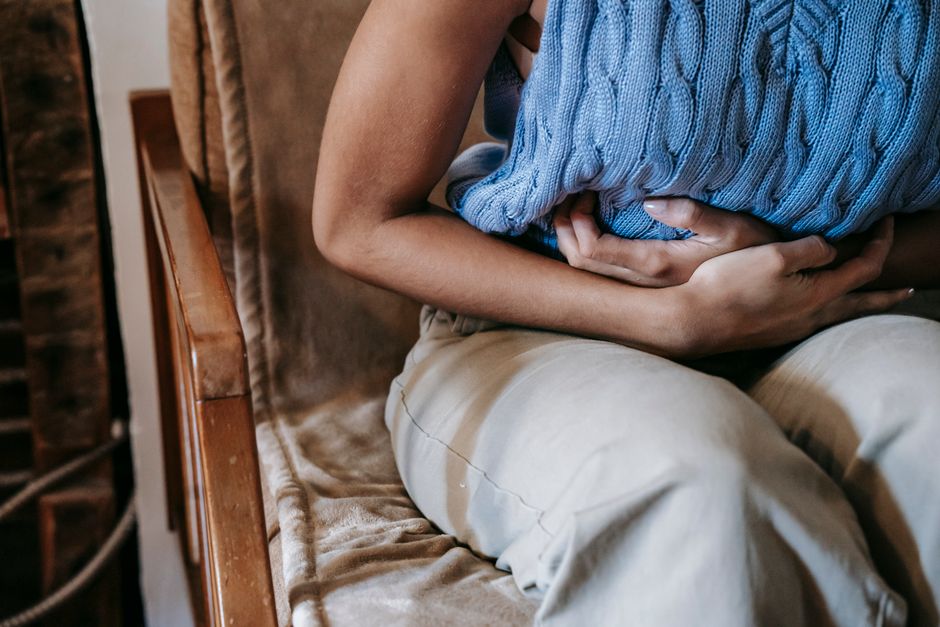
Constipation can absolutely cause back pain. When stool builds up in your colon, it creates pressure that can press against nerves and structures in your lower back, causing discomfort that ranges from a dull ache to sharp pain. This connection is well-documented in medical literature, and understanding it can help you address both issues more effectively.
How Does Constipation Lead to Back Pain?
The mechanism is straightforward. Your colon sits in your abdominal cavity, running along the back of your abdomen close to your spine. When waste material accumulates and hardens, it stretches the colon walls and takes up more space than usual. This expansion creates pressure against surrounding tissues, including the muscles and nerves of your lower back.
The lower spine is particularly vulnerable because the descending colon and rectum run directly behind the lumbar vertebrae. Research shows that fecal impaction can compress the sacral nerve roots, causing referred pain that feels like it originates in your back. Many people describe this as a deep, achy sensation that worsens with sitting or bending.
Some people also experience back pain from straining during bowel movements. When you’re constipated, you naturally push harder, which engages your abdominal and back muscles in ways they’re not designed for. Over time, this repeated straining can lead to muscle fatigue and discomfort that persists even between bathroom visits.
What Type of Back Pain Does Constipation Cause?
Constipation-related back pain typically appears in the lower back, though some people feel it in their mid-back or even their tailbone area. The pain is usually dull and constant rather than sharp or shooting. It may feel like pressure or fullness rather than the stabbing sensation you’d get from a pinched nerve or muscle tear.
The pain often improves noticeably after a bowel movement. If your back pain disappears or significantly lessens within an hour of emptying your bowels, that’s a strong indicator that constipation was the cause. You might also notice the pain worsens after meals when your digestive system is most active and adding more material to an already full colon.
Some people confuse this with kidney pain since the location overlaps. The key difference is that kidney pain is typically one-sided and sharper, while constipation pain is more centered and diffuse. Kidney issues also come with urinary symptoms, which constipation does not cause.
Can Chronic Constipation Cause Serious Back Problems?
Chronic constipation itself doesn’t directly damage your spine or discs, but it can create a cycle that affects your back health. When you’re constantly uncomfortable, you tend to move differently. You might sit in awkward positions to relieve abdominal pressure or avoid certain movements that engage your core. These compensatory patterns can lead to muscle imbalances and strain over time.
Long-term constipation has been associated with pelvic floor dysfunction in some studies. Your pelvic floor muscles support both your bowel function and your lower spine. When these muscles become weakened or uncoordinated from chronic straining, they can’t stabilize your spine as effectively, potentially contributing to back pain that persists even after addressing the constipation.
There’s also an inflammatory component worth noting. Some research suggests that chronic constipation can contribute to low-grade inflammation in the body, though strong evidence linking this specifically to back pain is limited. What we do know is that people with irritable bowel syndrome and chronic constipation report higher rates of chronic back pain than the general population.





What Other Conditions Cause Both Constipation and Back Pain?
Sometimes constipation and back pain occur together because they share a common cause. Endometriosis is a prime example. This condition causes tissue similar to the uterine lining to grow outside the uterus, often on the bowel and near the spine. Women with endometriosis frequently experience both severe constipation and back pain, especially during menstruation.
Certain neurological conditions affect both bowel function and back sensation. Spinal cord injuries, multiple sclerosis, and Parkinson’s disease can all disrupt the nerve signals that control digestion and pain perception. If you’re experiencing both symptoms along with numbness, weakness, or coordination problems, this warrants immediate medical evaluation.
Medication side effects are another common link. Opioid pain medications prescribed for back pain are notorious for causing severe constipation. This creates a frustrating situation where the medication relieving your back pain actually causes a different type of back pain through constipation. Some muscle relaxants and certain antidepressants can have similar effects.
| Condition | How It Causes Both Symptoms | Key Distinguishing Feature |
|---|---|---|
| Fecal Impaction | Direct pressure on nerves and structures | Pain improves after bowel movement |
| Endometriosis | Tissue growth affects bowel and spine area | Symptoms worsen with menstrual cycle |
| Spinal Issues | Nerve compression affects bowel control | Usually includes leg symptoms or numbness |
| Medication Side Effects | Opioids slow digestion and treat pain | Timing correlates with medication use |
How Can You Tell If Your Back Pain Is From Constipation?
The timing of your symptoms provides the biggest clue. Keep track of when your back pain appears and when you last had a comfortable bowel movement. If you notice the pain develops after two or three days without a bowel movement and improves afterward, the connection is likely.
Location matters too. Press gently on your lower abdomen, particularly the left side where stool typically accumulates before elimination. If this reproduces or worsens your back pain, that’s another indicator. You might also feel fullness or firmness in your abdomen that corresponds with the back discomfort.
Try this simple test: lie on your back and gently massage your abdomen in a clockwise direction, following the path of your colon. If this massage temporarily relieves some of your back pain, constipation is very likely involved. This works because the massage can shift the position of the stool, temporarily reducing pressure on your back structures.
What Actually Helps Relieve Constipation-Related Back Pain?
Addressing the constipation directly is the most effective approach. Increasing your water intake to eight glasses daily helps soften stool and makes it easier to pass. This isn’t an instant fix, but studies show that proper hydration significantly improves bowel regularity within a few days for most people.
Fiber is equally important, though you need to increase it gradually. Sudden jumps in fiber intake can actually worsen symptoms temporarily. Aim for 25-30 grams daily from sources like fruits, vegetables, and whole grains. Soluble fiber found in oats and beans is particularly helpful because it adds bulk while staying soft.
Movement helps tremendously. Walking for just 15-20 minutes after meals stimulates the natural contractions of your intestines. As of 2026, research continues to support that regular physical activity is one of the most effective non-pharmaceutical treatments for chronic constipation. The same movement that helps your bowels also strengthens your back muscles.
For immediate relief, these approaches can help:
- Applying a heating pad to your lower abdomen to relax intestinal muscles and ease cramping
- Practicing deep breathing exercises to reduce tension in your abdominal and back muscles
- Using an over-the-counter stool softener rather than a stimulant laxative for gentler relief
- Elevating your feet on a small stool while sitting on the toilet to align your colon for easier elimination
- Trying gentle yoga poses like child’s pose or supine twist that massage your digestive organs
When Should You See a Doctor About These Symptoms?
Seek medical attention if your constipation lasts more than two weeks despite home treatment, or if your back pain is severe enough to interfere with daily activities. These could indicate a more serious underlying condition that needs professional evaluation.
Certain warning signs require immediate medical care. If you experience back pain along with constipation plus fever, blood in your stool, unexplained weight loss, or inability to pass gas, go to urgent care or an emergency room. These symptoms can indicate a bowel obstruction or other serious condition.
You should also consult a doctor if you develop new bowel or back symptoms after age 50, or if you have a family history of colon cancer. While constipation causing back pain is usually benign, it’s important to rule out more serious conditions, especially if the pattern of your symptoms changes suddenly.
If you have both constipation and back pain that started after beginning a new medication, talk to your prescribing doctor. They may be able to adjust your dose or switch you to an alternative that doesn’t affect your bowels as severely. Never stop prescription medications without medical guidance.
Frequently Asked Questions About Constipation and Back Pain
Can constipation cause upper back pain?
Constipation rarely causes upper back pain directly since the colon sits lower in your abdomen. If you have both symptoms together, they likely have separate causes or you may be experiencing referred pain from straining.
How long does back pain from constipation last?
Back pain from constipation typically improves within a few hours after a successful bowel movement. If pain persists more than 24 hours after relieving your constipation, another cause is likely involved.
Can constipation cause sciatica-like pain down the leg?
Severe fecal impaction can occasionally press on nerves that contribute to leg pain, though this is uncommon. True sciatica usually stems from spinal issues rather than digestive problems and requires separate evaluation.
Does drinking more water really help both constipation and back pain?
Yes, adequate hydration helps soften stool and makes bowel movements easier, which reduces the pressure causing back pain. It also keeps the discs in your spine properly hydrated, supporting overall back health.
