
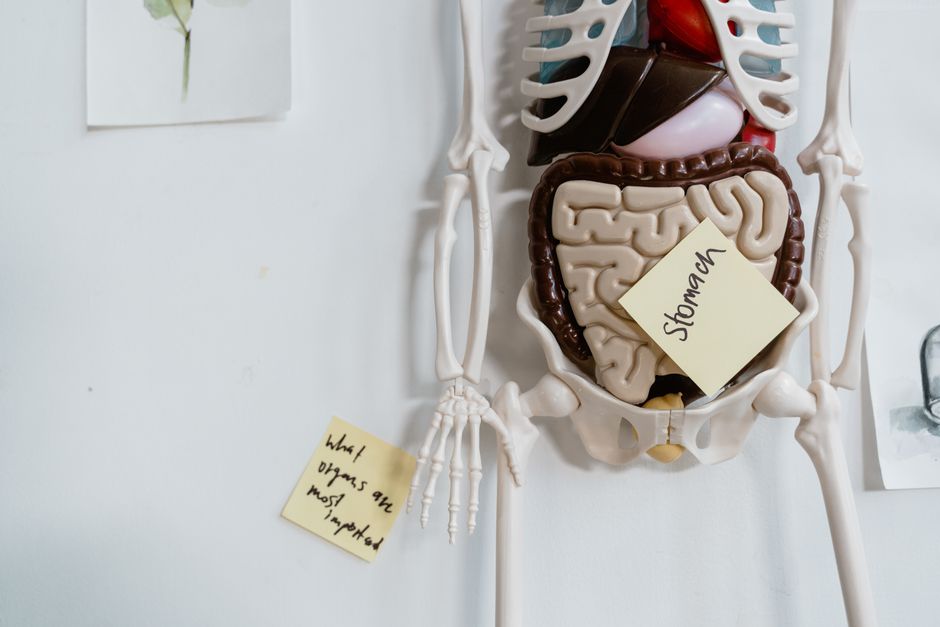
Ribs do not grow back after they are removed or severely damaged. Unlike some other bones in the body, a fully removed rib will not regenerate. The body can heal a fractured rib, but it forms new bone tissue to repair the break rather than growing a whole new rib. This is a common question after chest surgery or a traumatic injury, and the answer matters for recovery expectations.
What Happens When a Rib Is Fractured?
A broken rib is one of the most common chest injuries. The bone cracks or breaks, but the two ends remain close together. The body responds by sending blood and specialized cells to the area. These cells form a soft callus around the break within days.
Over several weeks, that soft callus hardens into new bone. This process is called remodeling. The new bone bridges the gap and restores the rib’s structure. Most rib fractures heal on their own within six to eight weeks without surgery.
The key point is that a fracture is a repair. The rib itself is still there. The body is mending the existing bone, not creating a new one. This is fundamentally different from regrowth.
Do Ribs Grow Back After Surgical Removal?
Surgeons sometimes remove a rib completely. This is called a rib resection. It may be done to access organs during chest surgery, to remove a tumor, or to treat certain infections. When a rib is taken out entirely, it does not grow back.
Research consistently shows that a surgically removed rib does not regenerate. The periosteum, a membrane that covers the bone, has some regenerative capacity. In some cases, if the periosteum is left intact, a small amount of new bone may form. But this is not a functional rib. It is usually a thin, irregular piece of bone that does not provide the same structural support.
This distinction is important. The body can repair a damaged rib but cannot replace a missing one. The difference lies in the type of injury and the biological limits of bone regeneration.
Why Can Some Bones Regrow But Not Ribs?
The human body has different regenerative abilities depending on the bone. The liver can regenerate. Skin heals. But bone regeneration is more limited.
A child’s rib that is partially removed may show more regrowth than an adult’s. This is because children have a more active periosteum and higher levels of growth hormones. Even then, the regrowth is incomplete and does not restore the original rib anatomy.
Bone regeneration requires specific conditions. The bone must have a scaffold to grow on, a blood supply, and the right cellular signals. When a rib is completely removed, those conditions are disrupted. The surrounding tissue fills the space, and the body does not initiate the complex process of forming a new rib.
Some research has explored materials that encourage bone regrowth after surgery. These are used in specific surgical situations, but they are not standard for rib replacement. The evidence for their effectiveness in rib regrowth is limited.





What Does Recovery Look Like After Rib Removal?
Recovery after rib removal depends on which rib was removed and why. The lower ribs are less critical than the upper ones. The first rib supports key blood vessels and nerves. Its removal requires more careful planning.
Most people notice significant pain in the first few weeks after surgery. Pain management is a priority because shallow breathing from pain can lead to lung complications. Physical therapy usually begins early to maintain chest movement and lung capacity.
Full recovery typically takes several months. The body adapts to the missing rib. Other structures, such as muscles and connective tissue, compensate for the lost support. Most people return to normal activities, though heavy lifting or contact sports may be limited during recovery.
Surgeons do not usually recommend rib replacement surgery. The risks of implanting artificial ribs generally outweigh the benefits. The body copes well with a missing rib in most cases.
Can Ribs Grow Back After Trauma or Injury?
Trauma can cause rib fractures, but it rarely removes a rib entirely. Severe accidents can crush or shatter a rib. In these cases, surgeons may remove bone fragments that cannot be repaired.
If a segment of rib is removed due to trauma, the same rule applies. The missing section does not grow back. The remaining portions of the rib may heal and remodel, but the gap remains.
This is different from a simple fracture. A clean break heals completely. A segmental defect, where a piece is missing, does not regenerate. The body cannot bridge a gap of missing bone in the rib cage.
Some research has looked at using bone grafts or synthetic materials to fill these gaps. These approaches are used in specific cases, such as after tumor removal. The success rates vary, and the evidence is not strong enough to suggest this is a routine procedure.
What About Rib Regrowth in Children?
Children have a remarkable capacity for healing. This applies to bones as well. The periosteum in children is thicker and more active than in adults. This can lead to more bone formation after injury.
Some case reports describe partial rib regrowth in children after surgery. The new bone is often thinner and less structured than the original rib. It may provide some support, but it is not a complete replacement.
No clinical guidelines currently exist for predicting how much a child’s rib will regrow. The outcome depends on the child’s age, the extent of removal, and whether the periosteum was preserved. Parents should discuss these factors with the surgeon before the procedure.
Do Ribs Grow Back: The Bottom Line
The answer is clear. Ribs do not grow back after complete removal. Fractured ribs heal. Missing ribs do not regenerate.
This reality shapes surgical decisions. Surgeons preserve as much rib tissue as possible. They avoid removing ribs unless it is medically necessary. When removal is unavoidable, they plan for the body to adapt rather than expecting regrowth.
Understanding this distinction helps patients set realistic expectations. If you are facing rib surgery or recovering from a rib injury, ask your surgeon specific questions. Ask whether any part of the rib can be preserved. Ask what recovery will look like with the rib missing.
The body is resilient, but it has limits. Rib regrowth is one of those limits. Knowing this helps you plan your recovery with accurate information.
Frequently Asked Questions
How long does a fractured rib take to heal?
Most rib fractures heal within six to eight weeks. Complete healing with return to normal activity may take up to three months.
Can a removed rib cause long-term problems?
Most people adapt well to a missing rib without long-term issues. Some may notice reduced chest wall stability, but serious complications are uncommon.
Is rib removal surgery risky?
Rib removal carries standard surgical risks including bleeding, infection, and pain. The specific risks depend on which rib is removed and the reason for surgery.
Do artificial ribs exist?
Rib implants exist but are rarely used. They are reserved for specific cases like chest wall reconstruction after tumor removal, not routine rib replacement.
