
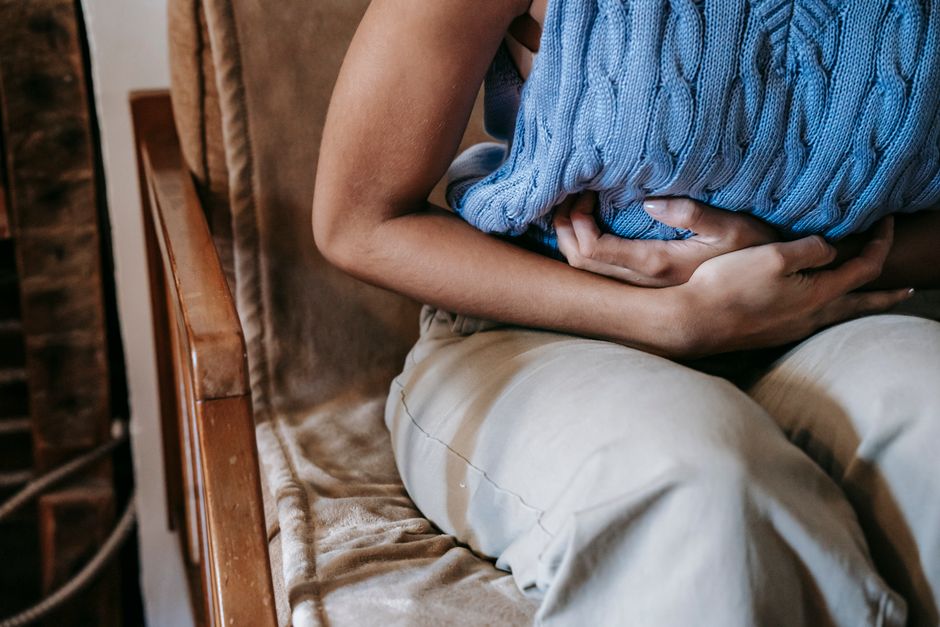
Yes, constipation can cause lower back pain. The connection is real and fairly common. When the colon fills with stool, it can press on nerves and muscles in the lower back. This pressure can create a dull ache, a sharp pain, or a feeling of fullness in the lower spine area. The pain usually goes away once the constipation resolves.
How Does Constipation Lead to Lower Back Pain?
The large intestine runs through the abdomen and curves down near the lower spine. When stool builds up, the intestine stretches and expands. This stretched area can push against nerves that connect to the lower back. The medical term for this is referred pain — pain felt in a location different from its source.
Another way constipation causes back pain is through straining. Trying to pass hard, dry stool puts tension on the muscles in the pelvis and lower back. Repeated straining can tighten these muscles and lead to soreness. The pain may feel like a muscle ache or a cramp in the lower spine.
Some people also experience a sensation of fullness or pressure in the lower back. This happens because the impacted stool sits right behind the uterus or bladder (in women) or the rectum (in everyone). That pressure radiates backward into the sacrum — the triangular bone at the base of the spine.
What Does Constipation-Related Lower Back Pain Feel Like?
The pain is usually dull and achy rather than sharp or stabbing. It may come and go with bowel movements or with changes in position. Some people describe it as a deep ache that never fully goes away until they pass stool.
Constipation back pain often appears along with other digestive signs: bloating, gas, abdominal cramping, and a feeling of incomplete emptying. If you have lower back pain and haven’t had a bowel movement in several days — or if bowel movements are hard and difficult to pass — constipation could be the reason.
One clue that the pain is from constipation rather than a back injury: bending or twisting does not make it worse. Instead, the pain may ease after a bowel movement or after passing gas.
When Is Lower Back Pain a Sign of Something Else?
Constipation is a common cause of lower back pain, but it is not the only cause. Other conditions can produce similar pain. It is important to know the difference.
- Kidney stones cause sharp, severe pain in the lower back on one side. The pain often radiates to the groin and comes in waves. There may be blood in the urine.
- Urinary tract infections can cause lower back pain along with burning during urination, fever, and frequent urination.
- Muscle strain or disc problems usually worsen with movement, bending, or lifting. The pain may shoot down one leg (sciatica).
- Ovarian cysts or endometriosis in women can cause pelvic and lower back pain that is cyclical or related to the menstrual period.
- Spinal stenosis or arthritis causes pain that is worse with standing or walking and improves with sitting.
If your back pain is severe, constant, or accompanied by fever, chills, unexplained weight loss, or numbness in the legs, see a doctor. Do not assume constipation is the cause without ruling out other possibilities.





Can Constipation Cause Lower Back Pain? The Mechanism Explained
Yes, the specific mechanism involves the sigmoid colon — the last part of the colon before the rectum. This section of the colon sits directly against the sacrum. When it is filled with hard, compacted stool, it bulges and presses on the sacral nerves. These nerves supply the lower back, buttocks, and legs. Pressure here can trigger pain signals that the brain interprets as lower back pain.
Additionally, the pelvic floor muscles are closely connected to both the bowel and the lower spine. Chronic constipation causes these muscles to overwork and become tense. That tension can spread to the lower back muscles, causing pain and stiffness.
In some cases, severe constipation can lead to fecal impaction — a large, hard mass of stool that cannot pass on its own. This can compress the sciatic nerve directly, causing pain that radiates down the leg. This is less common but can happen.
How to Relieve Back Pain from Constipation
The most effective way to treat constipation-related back pain is to treat the constipation itself. Once the stool softens and passes, the pressure on the back nerves usually releases and the pain subsides. Here are approaches backed by evidence:
- Increase fiber gradually — Fiber from fruits, vegetables, and whole grains adds bulk to stool and helps it move through the colon. But increase fiber slowly to avoid bloating and gas. A sudden jump from low fiber to high fiber can make constipation worse.
- Drink more water — Fiber works only if it absorbs water. Without enough fluid, fiber can harden and worsen constipation. Aim for at least 8 cups (about 2 liters) of water daily, unless your doctor advises otherwise.
- Stay active — Walking, gentle stretching, and core exercises stimulate bowel activity. Physical activity also helps relax tight back muscles.
- Use a stool softener or gentle laxative short-term — Over-the-counter products like docusate (stool softener) or polyethylene glycol (MiraLAX) can help relieve acute constipation. Do not use stimulant laxatives regularly without a doctor’s guidance — they can lead to dependence.
- Try a warm compress — Applying a heating pad to the lower back for 15-20 minutes can relax tense muscles and reduce pain while the constipation resolves.
When Should You See a Doctor?
Most cases of constipation and the back pain that goes with it are temporary and improve with home care. But some situations need medical attention:
- No bowel movement for more than 5 to 7 days despite home remedies
- Severe abdominal or back pain that does not improve
- Blood in the stool or black, tarry stools
- Unexplained weight loss
- Nausea, vomiting, or fever
- Back pain that shoots down one leg or causes weakness
- Sudden change in bowel habits lasting more than 3 weeks
A doctor can check for causes such as colon blockage, herniated disc, or other conditions. Do not delay care if symptoms are severe.
Can Preventing Constipation Prevent Back Pain?
Yes, for some people. If your lower back pain is directly linked to constipation, keeping bowel movements regular can prevent that pain from returning. The steps are the same as general digestive health:
- Eat 25-30 grams of fiber daily from whole foods
- Drink enough water so urine is light yellow
- Exercise most days
- Do not ignore the urge to have a bowel movement
- Limit processed foods and high-fat, low-fiber meals
But keep in mind: back pain has many causes. If your back pain continues even after your bowel habits improve, you may need a separate evaluation for your spine or muscles.
Frequently Asked Questions
How long can constipation cause lower back pain?
Back pain from constipation usually lasts as long as the constipation lasts — anywhere from a few hours to several days. Pain typically eases within 24 hours after a complete bowel movement.
How can I tell if my lower back pain is from constipation or a kidney problem?
Constipation pain is usually dull and centered in the lower spine, often with bloating and cramping. Kidney pain is typically sharp, on one side, and may come in waves; it is often paired with pain when urinating or fever.
Can constipation cause back pain on one side only?
Yes, constipation can cause pain on one side of the lower back, especially on the left side where the sigmoid colon is located. But it can also be felt centrally or on the right side depending on stool distribution.
Should I take a laxative if constipation is causing back pain?
A gentle, non-stimulant laxative like polyethylene glycol (MiraLAX) can help relieve constipation and the associated back pain when used short-term. If you need laxatives regularly, see a doctor to address the underlying cause.
