
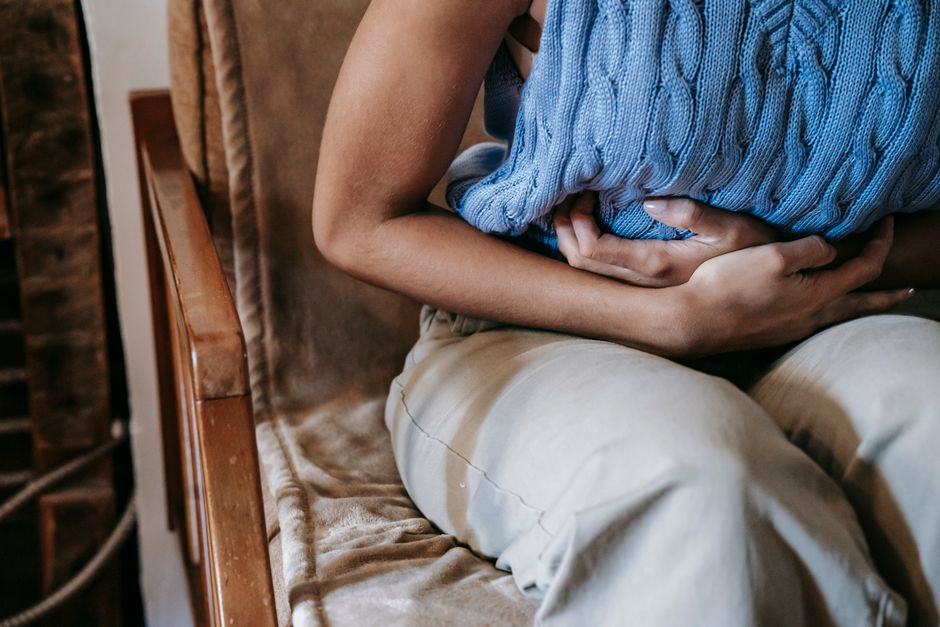
Yes, constipation can cause back pain. The connection is real and more common than most people think. When stool builds up in the colon, it can press on nerves and muscles in the lower back. This pressure triggers pain that feels like it is coming from your spine or muscles. The pain is usually dull and achy, and it tends to settle in the lower back on one side. Understanding how this happens helps you know when to treat the constipation and when to look for something else.
How does constipation cause back pain?
The mechanics are straightforward. Your colon runs along the back wall of your abdomen. When it is full of stool, it expands. That expansion pushes against nearby structures. The lower back muscles, the pelvic floor, and the nerves that run through your lower spine all sit close to the colon.
When the colon stretches, it irritates those nerves. The irritation sends pain signals to your brain. Your brain interprets those signals as coming from your back. This is called referred pain. The source is your colon, but you feel it in your back.
Research shows that people with chronic constipation report lower back pain at higher rates than people with normal bowel habits. A 2019 study in the journal Neurogastroenterology and Motility found that about one in three people with chronic constipation also had chronic lower back pain. That is not proof of cause and effect, but it is a strong correlation.
The type of back pain from constipation is usually dull and constant. It does not shoot down your leg like a pinched nerve. It does not get worse when you twist or bend. It tends to stay in one spot, often on the left side near where the colon bends downward.
What does the research on constipation and back pain show?
The research is not huge, but it is consistent. Studies have found that people with constipation are more likely to report back pain. The question is whether constipation causes the pain or shares a common cause.
Some studies suggest that both conditions may come from the same root problem. Slow gut motility, poor pelvic floor coordination, and weak core muscles can contribute to both constipation and back pain. In other words, the same body mechanics that make it hard to pass stool can also make your back hurt.
But there is also direct evidence that constipation itself causes pain. When researchers inflate a balloon in the colon during tests, people report pain in the lower back. This tells us that colon distension alone can trigger back pain. It is not just a coincidence.
Current research suggests that treating constipation often reduces back pain. A 2021 review in Pain Medicine looked at several studies and found that people who got relief from constipation also reported less back pain. This is one of the strongest pieces of evidence that the link is real.
As of 2026, there are no large randomized trials on this specific question. Most of the evidence comes from smaller studies and clinical observations. But the pattern is clear enough that doctors routinely ask about bowel habits when patients come in with lower back pain.
What are the other symptoms of constipation-related back pain?
If your back pain is from constipation, you will likely have other signs. The pain alone is not enough to know. Look for these common symptoms:
- Infrequent bowel movements, fewer than three per week
- Hard or lumpy stool that is difficult to pass
- Straining during bowel movements
- A feeling that you have not fully emptied your bowels
- Bloating or a swollen belly
- Sharp or cramping pain in the lower abdomen
- Nausea or loss of appetite
The back pain from constipation usually improves after a bowel movement. If you pass stool and the back pain goes away, that is a strong sign the two are connected. If the pain stays the same after a bowel movement, the cause is likely something else.
Another clue is timing. Constipation-related back pain often gets worse as the day goes on. It may be mild in the morning and build through the afternoon. Eating a large meal can make it worse because the colon fills up even more.




When should you worry about back pain that is not from constipation?
Not all back pain is from a full colon. Some causes are serious and need medical attention. You should see a doctor if any of these apply:
- The pain is sharp or stabbing, not dull
- The pain shoots down one leg or below the knee
- You have numbness or tingling in your legs or feet
- You lose control of your bladder or bowels
- You have a fever along with the back pain
- You have unexplained weight loss
- The pain wakes you up at night
- The pain started after a fall or injury
Constipation does not cause these symptoms. If you have any of them, the problem is likely in your spine, nerves, or another organ. Do not assume it is just constipation.
Some people report that constipation causes sharp back pain. That is not typical. Sharp pain usually means something else is going on, like a herniated disc or kidney stone. If your back pain is sharp, get it checked.
What actually helps constipation-related back pain?
The treatment is straightforward. Fix the constipation and the back pain usually follows. Here is what the evidence supports:
Increase fiber slowly. Fiber softens stool and adds bulk. This helps the colon move contents along. Start with 25 to 30 grams per day from food, not supplements. Too much fiber too fast can cause bloating and gas, which can make pain worse. Increase over several weeks.
Drink enough water. Fiber needs water to work. Without enough water, fiber can make constipation worse. Aim for eight to ten cups of fluid per day. Water is best. Coffee and tea count but can dehydrate if you drink too much.
Move your body. Exercise stimulates the colon. A 20-minute walk after meals can help move stool through. Core-strengthening exercises like gentle planks or bridges may also help both constipation and back pain by improving pelvic floor coordination.
Try a stool softener if needed. Docusate sodium is a common over-the-choice softener. It is safe for short-term use. It does not stimulate the bowel, it just makes stool easier to pass. This can reduce straining, which reduces pressure on the back.
Consider a magnesium supplement. Magnesium citrate draws water into the colon and softens stool. Some studies suggest it helps with constipation. Start with a low dose, around 200 mg at night. Too much can cause diarrhea.
Use a squatting position on the toilet. A small stool under your feet raises your knees above your hips. This straightens the angle between the colon and the rectum. It makes passing stool easier and reduces the need to strain. Less straining means less pressure on your lower back.
The table below compares common treatments for constipation-related back pain:
| Treatment | How it works | Time to effect | Common side effects |
|---|---|---|---|
| Increased fiber | Softens and bulks stool | 2-4 days | Gas, bloating |
| Stool softener | Makes stool easier to pass | 1-3 days | Mild cramping |
| Magnesium citrate | Draws water into colon | 6-12 hours | Diarrhea |
| Walking after meals | Stimulates colon movement | Immediate | None |
| Squatting position | Straightens colon-rectum angle | Immediate | None |
Do not use stimulant laxatives long term. Products like senna or bisacodyl can cause dependency. The colon stops working on its own if you use them too often. Use them only for occasional relief, not as a daily solution.
What to avoid when you have constipation and back pain
Some things make both problems worse. Avoid these common mistakes:
Do not ignore the urge to go. When you feel the need to pass stool, go. Holding it in allows the colon to reabsorb water from the stool. This makes it harder and more difficult to pass. Each time you delay, the problem gets worse.
Do not strain on the toilet. Straining increases pressure in the abdomen and on the lower back. It can also cause hemorrhoids or anal fissures. If you cannot pass stool easily, get up and try later. Do not force it.
Do not take too much calcium. Calcium supplements, especially calcium carbonate, are a common cause of constipation. If you take calcium, switch to calcium citrate, which has less of an effect on bowel movements.
Do not eat a low-fiber diet. Processed foods, cheese, red meat, and white bread all slow down the colon. These foods make constipation worse and can increase back pain. Add fruits, vegetables, and whole grains instead.
Do not rely on painkillers. Opioid painkillers cause constipation. So do some over-the-counter pain relievers like ibuprofen when taken in high doses. If you take pain medication for back pain, it may actually make the constipation worse. This creates a cycle that is hard to break.
Frequently Asked Questions About constipation cause back pain
Can constipation cause lower back pain on both sides?
Yes, constipation can cause pain on both sides of the lower back, though it is more common on the left side near the descending colon.
How long does back pain from constipation last?
The pain usually lasts until you have a bowel movement, often improving within a few hours after passing stool.
Can constipation cause back pain that feels like a muscle strain?
Yes, the dull ache from a full colon can feel very similar to a pulled muscle in the lower back.
What is the fastest way to relieve back pain from constipation?
A warm compress on the lower back combined with a gentle walk and drinking a glass of warm water can help stimulate a bowel movement quickly.
