
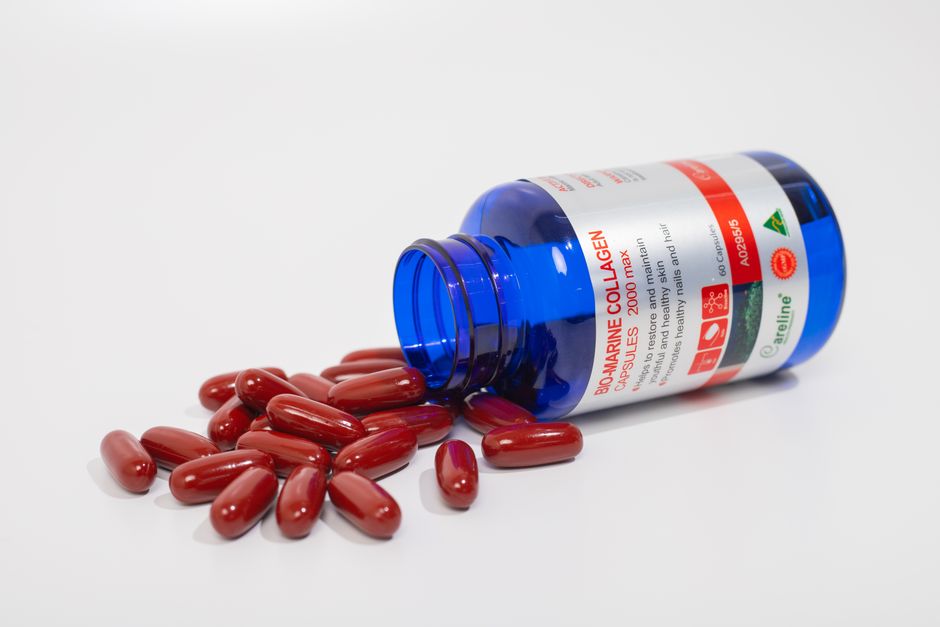
Collagen supplements are everywhere, and many people take them daily for skin, hair, and joint health. But if you have noticed new breakouts after starting a collagen powder or capsule, you might wonder if the supplement is to blame. The short answer is that collagen itself does not directly cause acne, but the way your body reacts to certain ingredients in some collagen products could trigger breakouts in some people. This is not true for everyone, and the science explains exactly why.
Can Collagen Cause Acne?
The collagen peptide itself is not known to cause acne. Acne forms when hair follicles become clogged with oil and dead skin cells, and no clinical evidence shows that collagen peptides directly cause this process. However, some collagen supplements contain added ingredients that may trigger breakouts in sensitive individuals. These include artificial sweeteners, flavors, and certain botanical extracts. If you are reacting to a supplement, the added ingredients are a more likely culprit than the collagen protein itself.
How Collagen Affects Your Skin From the Inside
Collagen is the main structural protein in your skin, bones, and connective tissue. When you take a collagen supplement, your body breaks it down into amino acids and small peptides. These building blocks are then used wherever the body needs them, which is not necessarily your skin. Your body prioritizes where it sends these amino acids based on need, not based on where you want them to go.
Some research suggests that collagen peptides can stimulate skin cells called fibroblasts to produce more collagen. This is why many people report improvements in skin hydration and elasticity. But this process does not involve the sebaceous glands, which produce the oil that contributes to acne. There is no established mechanism by which collagen peptides increase oil production or clog pores.
What Actually Causes Acne Breakouts
Acne is a multifactorial condition. The primary drivers are excess sebum production, abnormal shedding of skin cells inside the pore, and the growth of a bacteria called Cutibacterium acnes. Hormones play a major role, particularly androgens, which increase oil production. Diet can influence acne in some people, but the evidence is strongest for high-glycemic foods and dairy products, not collagen.
When people start a new supplement routine, they often change other habits at the same time. They might eat differently, sleep differently, or switch skincare products. Any of these changes could explain a new breakout. It is also common for people to notice breakouts during times of stress, which can happen to coincide with starting a new supplement. This makes it hard to know for certain whether the supplement is the cause.


Why Some People Break Out After Taking Collagen
If you are breaking out after starting a collagen supplement, the most likely explanation is one of the additive ingredients. Many flavored collagen powders contain sweeteners like stevia, sucralose, or sugar. Some research suggests that artificial sweeteners may alter the gut microbiome, which can influence skin health through the gut-skin axis. This connection is real but not fully understood, and it does not happen in everyone.
Another possibility is an allergic or sensitivity reaction. Some collagen supplements are derived from fish, and people with fish allergies may react to them. Others are derived from bovine or chicken sources. A reaction could cause hives or a rash that looks like acne but is actually a different condition. If the bumps are itchy, appear quickly after taking the supplement, or are accompanied by other allergy symptoms, this is more likely a sensitivity than true acne.
Some collagen products contain added biotin, which is often included for hair and nail benefits. High doses of biotin have been linked to acne breakouts in some case reports. The exact reason is unclear, but it may interfere with how the body absorbs other B vitamins. If your collagen supplement contains biotin, this could be the trigger.
How to Tell If Collagen Is Causing Your Breakouts
If you suspect your collagen supplement is causing breakouts, the clearest way to test this is with an elimination and rechallenge approach. Stop taking the supplement for two to three weeks and monitor your skin. If the breakouts clear, reintroduce the supplement and see if they return. This is not a perfect test because acne can have delayed onset, but it is the most practical way to identify a trigger.
Before you stop the supplement, check the ingredient list carefully. Look for added sweeteners, flavors, biotin, or other active ingredients. If the product has a short ingredient list with just collagen peptides, the likelihood that it is causing acne is lower. If it has a long list of additives, consider switching to a plain, unflavored collagen peptide powder to see if that makes a difference.
Keep in mind that acne takes time to develop. A pore becomes clogged weeks before it becomes a visible pimple. So a breakout you see today may have started forming a month ago. This makes it difficult to link a new supplement to a specific breakout. Give any change at least four to six weeks before drawing conclusions.
Other Ingredients in Collagen Products That Could Be the Problem
Many collagen products are marketed as beauty supplements and contain a blend of additional ingredients. These can include vitamin C, hyaluronic acid, and various plant extracts. While these ingredients are generally safe, some people are sensitive to specific botanical extracts. For example, some products contain ingredients like bamboo extract or aloe vera, which can cause skin reactions in sensitive individuals.
Flavored collagen powders are a common source of problems. Natural and artificial flavors are proprietary blends, meaning the manufacturer does not have to disclose exactly what is in them. Some people react to these undisclosed ingredients. If you are prone to breakouts, an unflavored collagen product with minimal ingredients is the safest choice.
Collagen gummies are another category to consider. Gummies typically contain sugar or sugar alcohols, along with gelling agents and flavorings. The sugar content alone could be a concern for people whose acne is triggered by high-glycemic foods. Gummies also tend to have lower collagen doses than powders, so you may need to take more gummies to get the same amount, which increases your exposure to the additives.
What the Research Actually Says
Clinical trials on collagen supplements have not reported acne as a common side effect. Most studies focus on skin elasticity, hydration, and wrinkles, and they do not mention increased breakouts. This does not mean it cannot happen, but it suggests that acne is not a widespread problem with collagen supplementation. The absence of reported side effects in trials is not the same as proof that no one experiences it, but it is useful context.
Some research suggests that collagen peptides may have anti-inflammatory properties. If true, this could theoretically help acne rather than worsen it, since inflammation is a key component of acne lesions. However, no clinical trial has specifically tested collagen as an acne treatment, so this remains theoretical. Do not expect collagen to clear your acne, and do not assume it is causing it without evidence from your own experience.
How to Choose a Collagen Supplement That Is Less Likely to Cause Breakouts
If you want to continue taking collagen but are worried about breakouts, choose a product with the fewest ingredients. Look for a plain collagen peptide powder with no added flavors, sweeteners, or botanical extracts. The label should list only collagen peptides, and possibly a source such as bovine or marine collagen. This minimizes your exposure to potential triggers.
Start with a lower dose than recommended and gradually increase it. This allows you to monitor how your skin responds. Keep a simple skincare routine during this time and do not introduce other new products. This makes it easier to identify what is causing any changes. If your skin stays clear on a plain collagen product, you can continue with confidence.
If you have a known allergy to fish, choose a bovine or chicken-derived collagen. If you are allergic to beef, choose marine collagen. Always check the source before purchasing. If you are unsure whether your breakouts are related to the supplement, consult a dermatologist. They can help you determine whether you are dealing with acne, a sensitivity reaction, or something else entirely.
Should You Stop Taking Collagen If You Get Acne?
There is no medical requirement to stop collagen if you develop acne, because there is no established link between collagen peptides and acne. However, if you suspect the supplement is causing your breakouts, stopping it for a few weeks is a reasonable experiment. Your skin will not suffer from a temporary break in supplementation. If your breakouts clear and you feel better without it, you can decide whether the benefits of collagen are worth the risk of breakouts.
If you are taking collagen for a specific health goal, such as joint pain or wound healing, talk to your doctor before stopping. There may be other options that do not involve a supplement. If you are taking it purely for cosmetic reasons, the decision is entirely personal. Acne can be more distressing than the skin benefits collagen provides, and your comfort matters.
Frequently Asked Questions
Can collagen powder cause acne?
Collagen peptides themselves are not known to cause acne, but added ingredients like sweeteners, flavors, or biotin in some powders may trigger breakouts in sensitive people.
How long after taking collagen would acne appear?
Acne develops over weeks, so a pimple you see today likely started forming weeks ago, making it difficult to link to a specific supplement dose.
Should I stop taking collagen if I break out?
Stopping for two to three weeks is a reasonable test to see if your skin clears, but there is no medical requirement to stop since no evidence links collagen peptides directly to acne.
Is unflavored collagen better for acne-prone skin?
Unflavored collagen with minimal ingredients is less likely to cause breakouts because it avoids artificial sweeteners, flavors, and other additives that may trigger reactions.
